


Expert Insights
- Dedicated players should be compared by confirmed model specs such as DAC, output options, format support, and battery test conditions.
- Battery optimization in dedicated players comes from eliminating unnecessary system overhead, not just using larger batteries. Purpose-built devices simply use energy more efficiently for audio tasks.
- The psychological benefit of distraction-free listening often matters more than technical specifications. Dedicated players create intentional listening experiences that enhance music appreciation.
Android vs Dedicated Audio Player: The Great Debate
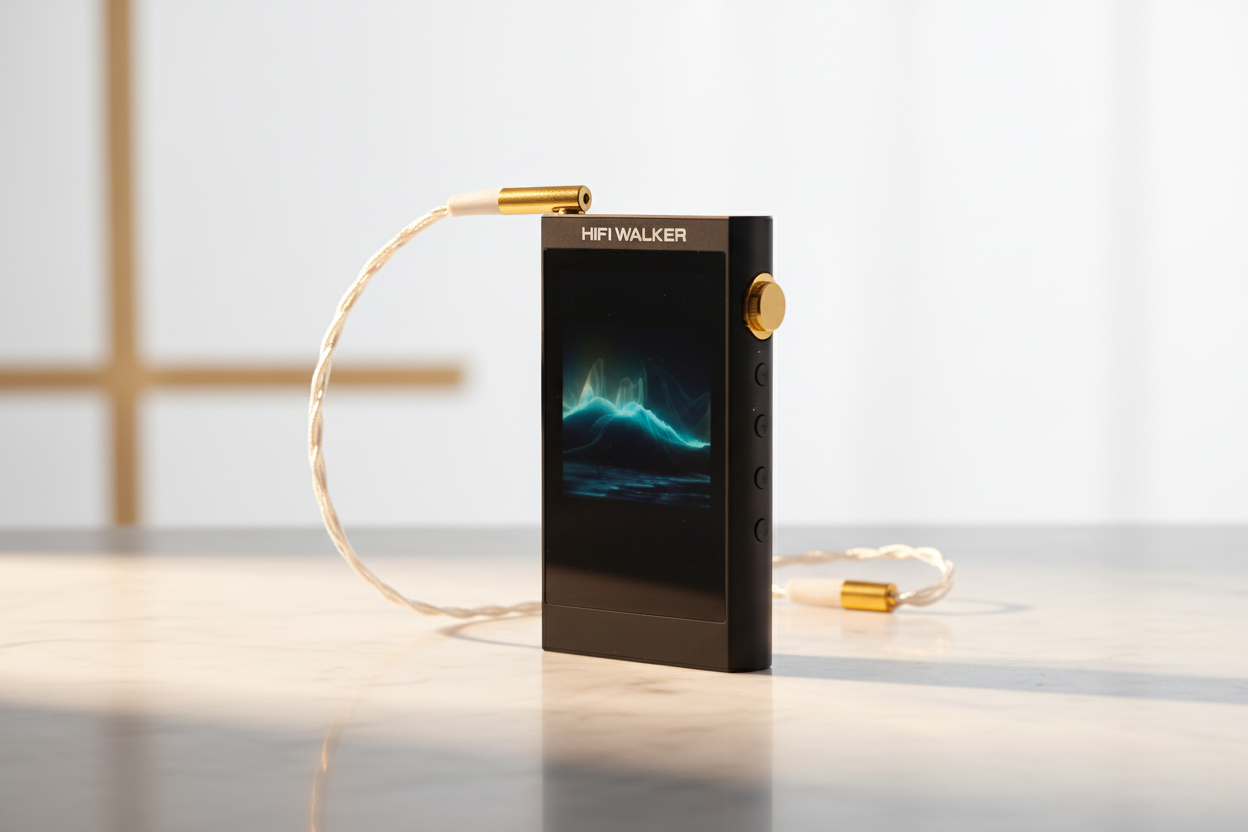
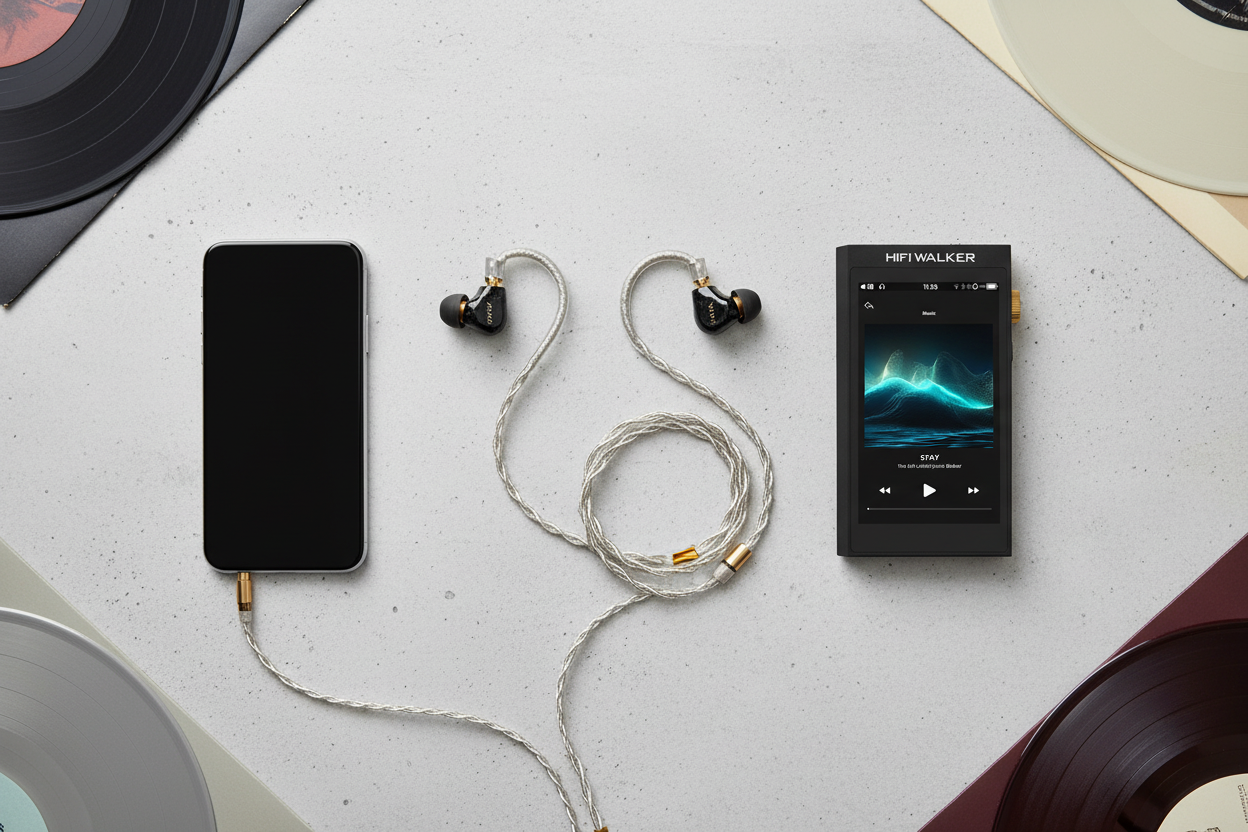
Choosing the right audio player in 2026 means understanding the fundamental differences between Android devices and dedicated audio players (DAPs). While your smartphone can play music, dedicated players like the HIFI WALKER H20Ultra Hi-Res Audio Player offer specialized hardware for local-file playback and model-specific output options.
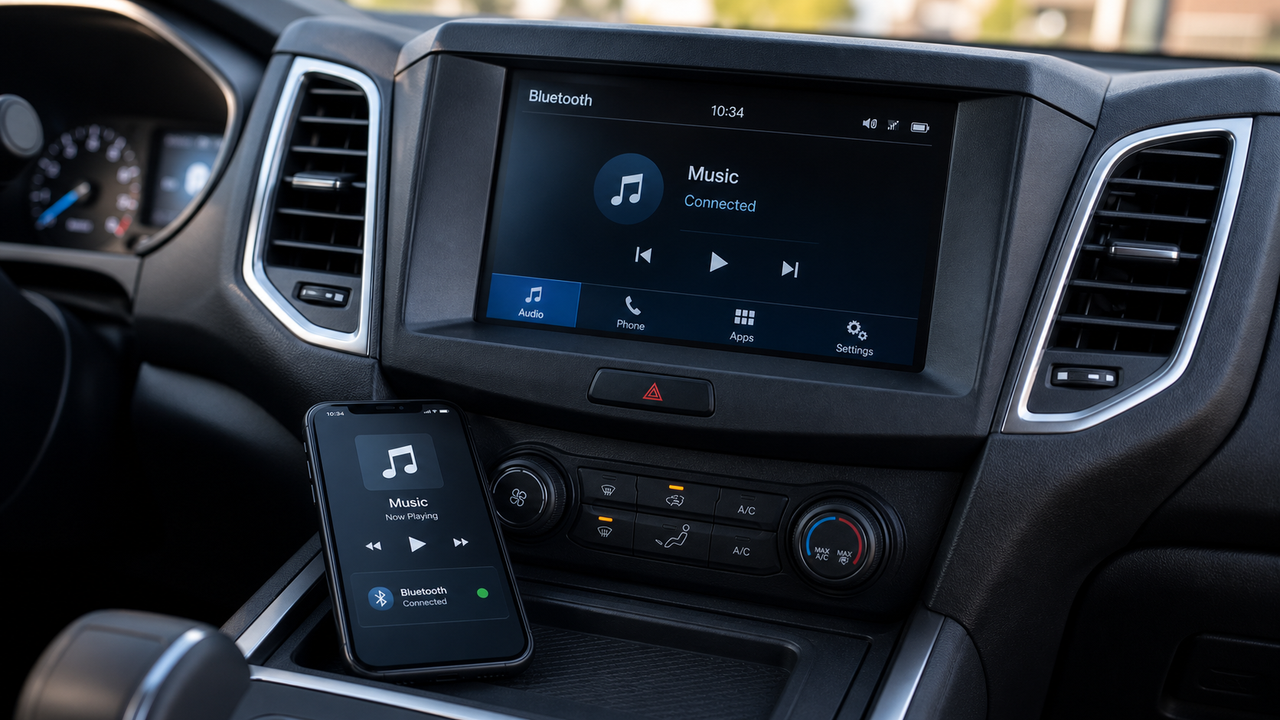
Android Audio Limitations
- Compressed audio codecs prioritize convenience
- Shared processing power with other apps
- Battery drain from background tasks
- Digital noise from cellular radios
Dedicated Audio Player Benefits
- Purpose-built DAC and amplifier circuits
- Isolated audio processing pathway
- Extended battery life for music playback
- Minimal electromagnetic interference

The choice isn't just about sound quality—it's about your listening priorities, budget, and how seriously you take portable audio. Let's explore every aspect to help you make an informed decision.
- ►1. Android vs Dedicated Audio Player: The Great Debate
- ►2. Sound Quality Comparison: DAC and Amplification
- ►3. File Format Support and High-Resolution Audio
- ►4. Battery Life and Dedicated Performance
- ►5. User Experience and Interface Design
- ►6. Cost Analysis and Value Proposition
- ►7. Android Audio Players: When They Make Sense
- ►8. Making Your Decision: Choosing the Right Audio Player
Sound Quality Comparison: DAC and Amplification
The most critical difference between Android devices and dedicated audio players lies in their internal audio circuits. Smartphones integrate basic DACs into their main system-on-chip, while dedicated players feature specialized components.
Dedicated audio players like the H20Ultra stand out through confirmed features: ESS9038Q2M DAC, 3.5mm output, 4.4mm balanced output, USB DAC, Type-C coaxial output, and DSD256 support.

File Format Support and High-Resolution Audio
High-resolution audio formats expose the limitations of Android's audio subsystem. While Android theoretically supports FLAC and DSD, the reality involves complex workarounds and compatibility issues.
Android Format Challenges
Native Android resamples everything to 48kHz, requiring specialized apps and USB Audio Class drivers to bypass system limitations.
Dedicated Player Advantages
Format support varies by model; H20 Ultra supports DSD256, while other models have different confirmed limits.
Real-World Performance
Dedicated players maintain timing accuracy and avoid the jitter introduced by Android's audio mixing and resampling processes.

Battery Life and Dedicated Performance
Battery performance is another reason to consider a separate player, but exact playback time must be checked by model, file type, volume, Bluetooth, screen use, and headphones.
Android Battery Drain Sources
- Background app processing
- Cellular radio power consumption
- Display backlight during track changes
- System notifications and interruptions
- Inefficient Class D amplification
Dedicated Player Efficiency
- Single-purpose audio processing
- No cellular radio power draw
- Optimized low-power display modes
- Minimal background system overhead
- Efficient analog amplifier stages
The HIFI WALKER H2 Touch Hi-Res Audio Player is rated under its listed battery test condition; real playback time depends on use conditions.

User Experience and Interface Design
The user experience differs dramatically between platforms. Android offers familiar smartphone navigation but introduces audio playback interruptions, while dedicated players prioritize uninterrupted music enjoyment.

Dedicated players eliminate the cognitive load of managing multiple device functions while listening. Your music becomes the sole focus, creating a more immersive and intentional listening experience.
↑ Back to Top
Back to Top ↑Cost Analysis and Value Proposition
The financial equation extends beyond initial purchase price. While Android devices offer multi-functionality, dedicated audio players provide superior cost-per-audio-quality ratios.
Initial Investment Comparison
High-end Android phones cost $800-1200+ but compromise audio quality, while dedicated players like the H2 Touch deliver audiophile performance at $134.25.
Long-term Value Factors
Dedicated players avoid obsolescence cycles, maintain consistent performance, and don't require expensive streaming subscriptions for high-quality audio.
Total Cost of Ownership
Factor in reduced phone battery wear, eliminated data costs for streaming, and the value of distraction-free listening experiences.
Browse our complete selection of high-quality audio players to find the perfect balance of features and value for your budget and listening preferences.

Android Audio Players: When They Make Sense
Android-based audio players bridge the gap between smartphones and dedicated DAPs, offering specific advantages for certain use cases and user preferences.
Android Player Strengths
- Familiar interface and app ecosystem
- Streaming service compatibility
- Wi-Fi connectivity for downloads
- Large touchscreen navigation
- Third-party app support
Ideal User Scenarios
- Heavy streaming service users
- Travelers needing connectivity
- Users wanting single-device convenience
- Those comfortable with Android ecosystem
- Budget-conscious buyers seeking features
The HIFI WALKER G7 Android Player exemplifies this hybrid approach, combining Android flexibility with enhanced audio hardware for users who want the best of both worlds.


Making Your Decision: Choosing the Right Audio Player
Your ideal audio player depends on balancing sound quality priorities, usage patterns, and budget considerations. Neither option is universally superior—each serves different audiophile needs and preferences.
For serious audiophiles, dedicated players consistently deliver superior results. The engineering advantages—isolated audio circuits, purpose-built components, and optimized power management—create measurable and audible improvements that justify the specialized approach.

Frequently Asked Questions
Q1: Do dedicated audio players really sound better than smartphones?
Yes, dedicated audio players provide measurably superior sound quality through specialized DACs, isolated power supplies, and purpose-built amplifier circuits. The difference is most noticeable with high-quality headphones and lossless audio files.
Q2: Can I use streaming services on dedicated audio players?
Most dedicated players focus on local file playback, but Android-based models like the G7 support streaming apps. For pure dedicated players, you'll need to download music files or use offline features from streaming services.
Q3: Is the battery life difference really significant?
A separate player can preserve phone battery and reduce interruptions, but exact playback time varies by model and test condition.
Q4: What audio formats do dedicated players support that Android doesn't?
Dedicated players and Android players differ by model and app. Check confirmed support for FLAC, WAV, MP3, AAC, DSD, and high-bitrate PCM before purchase.
Q5: Are dedicated audio players worth it for casual listeners?
It depends on your priorities. If you value convenience and use streaming services heavily, Android devices work well. If you notice audio quality differences and want distraction-free listening, dedicated players provide clear benefits even for casual use.