


Which Music Player Should You Buy for a Teen Without a Phone?
Choose the HIFI WALKER H2 Mini when your teen wants a small player for a prepared collection of compatible music files. It puts selected albums on a separate device with physical controls. That is a clear starting point when the aim is to give music a place of its own.
Choose the G7 Pro when Spotify is central to the purchase. It runs the supported app on a separate Android player, with a touchscreen for browsing music. Do you want to give your teen their own listening device before making a smartphone their everyday music tool? These two choices serve different versions of that plan.
A music player for teens without a phone should feel useful to the person who will carry it. The teenager may care about choosing favorite artists, taking an album on a trip, or finding something different after practice. Parents may care about the device’s role in the day. Begin with those concrete expectations so the purchase delivers a listening experience both sides understand.
This guide compares a compact local-collection approach with an app-based approach. It is a buying decision, not an age-based ranking. Being a teenager does not automatically make one model right; the choice depends on the music, controls, and preparation the listener actually wants.
Jump to the H2 Mini and G7 Pro comparison, or read the product sections for the reasons to choose each one. Both recommendations include a direct product link and a matching product card.
Expert Insights: Key Takeaways
- Choose H2 Mini for a compact prepared music collection.
- Choose G7 Pro when Spotify is central to the listening plan.
- Let the teen help select music and agree on a practical daily routine before ordering.
- ►1. Which Music Player Should You Buy for a Teen Without a Phone?
- ►2. What should a phone-free music device change?
- ►3. H2 Mini or G7 Pro: make the buying choice
- ►4. Choose H2 Mini for a small personal music collection
- ►5. Choose G7 Pro when the music app is the reason to buy
- ►6. Match the choice to after-school time and travel
- ►7. Agree on what the teen chooses and what the adult manages
- ►8. Choose the route, then prepare the first listening session
What should a phone-free music device change?
Ask your teen to describe a moment when music matters. It might be the bus ride after school, a break between activities, or time spent drawing at home. Then ask what they want to do: play a known album, choose from saved favorites, or explore through a familiar service. A useful answer describes an action, not a list of specifications.
For parents, name the change you are trying to make. Perhaps the teen borrows an adult’s phone whenever they want music. Perhaps the family wants a dedicated device during agreed listening time. Those are different goals from choosing a replacement for every communication and entertainment function of a smartphone.
Picture the task from start to finish. For a bus ride, the useful question is whether the desired album is already available before boarding. At a desk, it may be whether the listener wants to explore an app’s catalog. Those details reveal which route fits better than a general wish for fewer phone distractions.
Phone-free listening also needs a clear place in a wider routine. Decide separately how the teen will contact a parent when needed and what devices are permitted at school or activities. A music player’s purpose is listening; describe that purpose clearly rather than assuming it answers every practical reason a family might carry a phone.

H2 Mini or G7 Pro: make the buying choice
Use the table to match the player to a real requirement. H2 Mini is the recommendation for carrying a selected local collection in a compact device. G7 Pro is the recommendation when a supported music app is essential. The distinction is how the listener chooses and accesses music, not which teenager is old enough for a particular model.
The connections give both models a place in an existing listening setup, so Bluetooth alone does not decide this comparison. The bigger difference is what must be ready before the first song: copied recordings for H2 Mini, or the supported app and its account conditions for G7 Pro. Match that preparation to the music your teen already uses.
Do not read the network row as a choice between an always-offline player and an always-online one. H2 Mini’s prepared local collection is ready without network access. Spotify on G7 Pro also has eligible offline options, but the service’s rules still apply. Check those conditions against the journeys you actually plan, rather than relying on the word “portable.”
Choose H2 Mini for a small personal music collection
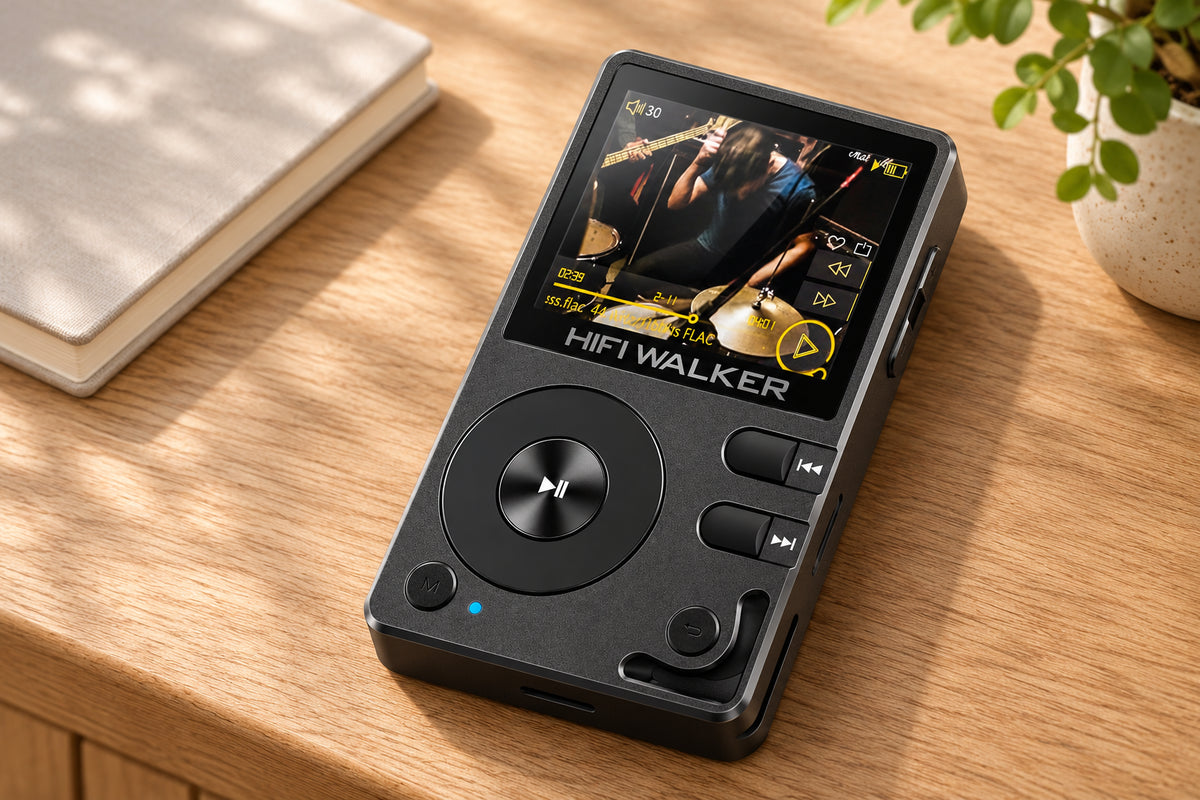
Choose H2 Mini for a teen who wants selected albums ready on a compact local-file player. Its body weighs 42g excluding the back clip, with dimensions of 52 × 46 × 15.6mm excluding the clip. Those measurements describe a small device to keep with daily belongings, rather than another large screen to carry.
A prepared collection gives the listener a dependable starting point. A favorite album can be ready for the journey home without opening a service catalog or finding a connection. The useful distinction is availability: the music copied to the card is the music that comes along. That makes H2 Mini a clear choice when saved recordings are already the reason for buying.
Physical controls and the 1.54-inch display give this approach its own feel. Look at the official product photographs together and locate the controls your teen would use to select and change music. Someone who likes a small dedicated device may find that approach more appealing than doing the same task on a larger touchscreen.
The H2 Mini supports microSD expansion up to 512GB and recognizes up to 14,999 songs. That provides room for a collection to develop, within both limits. Start with the files the teen actually wants to carry; loading a huge archive at once is not necessary to make the device useful.
Its ESS9218PC audio chip includes amplification, and the player offers wired and Bluetooth listening connections. Check the intended connection against the equipment your teen will use. That lets the connection check become part of the complete carry setup rather than an accessory decision left until after ordering.

Explore the HIFI WALKER H2 Mini for compact, collection-based listening. Check the selected package and music-file compatibility on the current listing before ordering.
Choose G7 Pro when the music app is the reason to buy
Choose G7 Pro when your teen wants Spotify on a dedicated device. Confirmed app support makes the recommendation specific: the point is to use that listening service on the player itself, with its own screen and controls, rather than borrow someone else’s phone for every change of music.
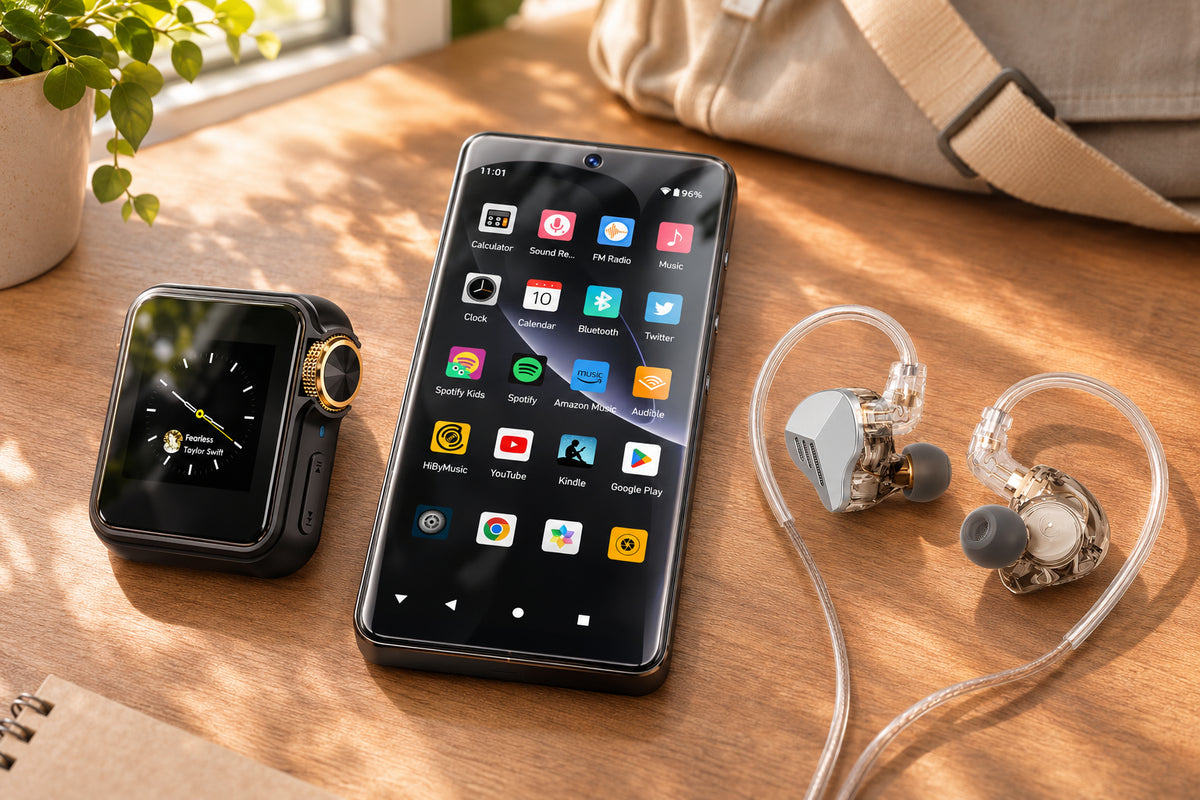
The G7 Pro runs Android 13 and has a 5.2-inch touchscreen. It offers a screen-based way to choose albums and playlists. For a listener who already knows how they like to browse music in an app, keeping that familiar starting point can be a stronger reason to buy than choosing the smallest possible player.
Use the service your teen actually requests as the purchase check. Spotify support is confirmed, while the account, network, and available service features need to match the intended listening. A general claim that a device runs apps is less useful than confirming the particular app that motivates the order.
At home, access to an available Wi-Fi network is part of the online listening plan. For time away from a network, check the service’s eligible offline options before departure. Choose on the basis of the complete setup you will use, including the account, rather than expecting a separate player to remove the service’s requirements.
The G7 Pro product page describes password-protected settings, blocking selected apps, and schedules for app-restricted or internet-free hours. Those tools give the family specific settings to review when agreeing on the device’s role. Use the current instructions for the actual options; this buying guide does not repeat an account-setup walkthrough.
If you have already chosen an app-based player and are comparing the Android models, the G7 Pro versus G7 guide for teens covers that narrower model comparison. Here, the earlier decision is whether an app-based device is the right route at all.

Explore the HIFI WALKER G7 Pro when the supported app experience is essential. Review the current package and documented settings alongside the service you plan to use.
↑ Back to Top
Back to Top ↑Match the choice to after-school time and travel
The difference between these routes becomes clearer when you plan an ordinary week. Describe where music will be played and what needs to be ready. You are not creating an elaborate timetable; you are checking that the reason to buy survives contact with everyday use.
For school or organized activities, check the actual device rules before deciding where the player will be used. A separate music device should not be presented as automatically permitted. The plan may be to keep it packed until the journey home, or use it only during agreed breaks.
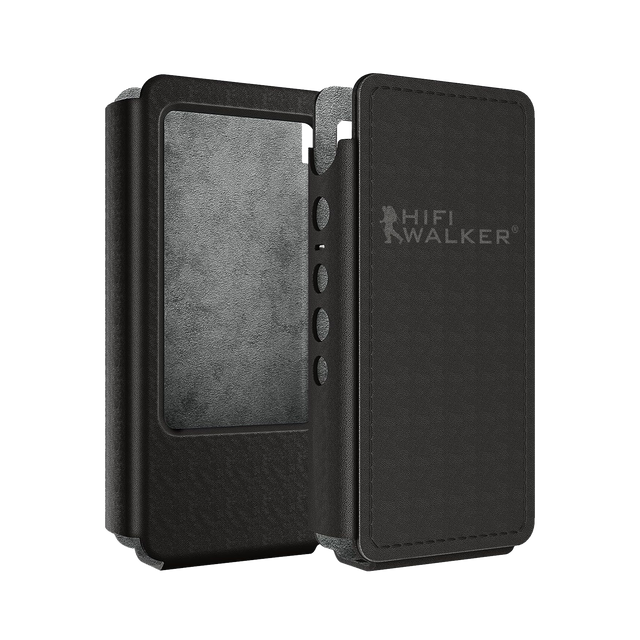
Carry the complete setup once before settling on a routine: the player, whatever listening equipment is needed, and any protective storage you choose. Check that the teen can put it away and find it again without searching through a whole bag. The aim is a device they can manage, not an extra item that requires constant reminders.
For travel, separate the player’s charge from the music’s readiness. A charged device is only half the preparation if the intended album has not been copied or an eligible download has not finished. Before packing, open the music you plan to hear under the connection conditions you expect on the journey.

Agree on what the teen chooses and what the adult manages
A teen-focused purchase works better when it leaves a real choice with the teenager. Let them decide which music they want first, how they will organize it, and when a regular listening moment fits their day. The adult can handle the order, package checks, and any account responsibilities that apply.
Avoid using age alone as the product specification. One teenager may enjoy preparing a collection and carrying a small device. Another may have a clear reason to keep a supported service. Ask for those reasons directly instead of treating an app-based device as an automatic next stage after a birthday.
For a mixed-source listener, identify the use that would make the purchase worthwhile on its own. If the teen would not use a device without a particular app, that requirement needs to lead the choice. If a prepared album collection is already appealing, a small local player has a clear purpose without adding a larger screen.
Agree on a small starting arrangement you can review after real use. Which music will be available? Where will the device be used? Who takes care of charging and account changes? Those questions create a shared plan without turning the buying guide into another long account-setup tutorial.
Keep a way for the teen to request changes. A new album, a different carry arrangement, or a question about a setting can be discussed against the original purpose of the player. That makes the device a personal music possession the family understands, rather than a purchase based only on a product label.
Choose the route, then prepare the first listening session
Use the checklist to close the buying decision. The product sections above give the reasons and purchase links; this last step checks that nothing essential is missing between ordering the device and enjoying the first album.
Name the listening requirement
Ask your teen to identify the music they want first and the regular moment when they will use the player. Choose the collection route or the supported-app route around that concrete use.
Confirm the model and package
Check the current product page, supported features, package contents, storage arrangement, and listening connection. Do not assume a prop in a lifestyle picture comes in the box.
Prepare the relevant music
For local listening, identify compatible files you have the right to copy. For app listening, check the account and network conditions, plus eligible offline preparation where needed.
Plan the handover together
Let the teen find the first album and operate the player. Resolve anything confusing before a trip or the first planned independent listening session.
Give it a regular place
Set aside a place to keep and charge the player. Keep school and activity rules, communication needs, and the music device’s role clear.
Choose H2 Mini for a small personal collection device. Choose G7 Pro when the supported app experience matters most. Both give music its own piece of hardware; the right one is the route your teen will use and maintain. Make that decision together, then begin with music they are genuinely looking forward to hearing.
Choose a player your teen will want to use
Give the decision a clear purpose and let the listener help shape it.
Explore the route that matches the way your teen listens.
Frequently Asked Questions
Q1: What is a good music player for teens without a phone?
Choose HIFI WALKER H2 Mini for a compact local collection with physical controls, or G7 Pro when confirmed Spotify app support is essential. Match the device to the teen’s music and intended listening routine.
Q2: Does a music player without a phone need Wi-Fi?
Prepared compatible local files can be played without a network. Online app playback needs an available connection; listening away from a network depends on the service’s eligible offline features and preparation.
Q3: How is this different from buying a player for a younger child?
When buying for a younger child, a parent will often prepare the music and help with the controls. For a teen, leave more of the music choices, library organization, and everyday use in their hands—for example, adding an album they want or checking that their music is ready before going out. Parents can handle the purchase, subscription payments, and account arrangements. Agreeing on those responsibilities before buying gives the teen a device they can enjoy and take care of themselves.
Q4: What can parents manage on the G7 Pro?
Parents can manage apps and listening schedules on the G7 Pro. Its parental controls let you password-protect settings, restrict selected apps, and schedule app-use or internet-free hours. Set those rules around school, downtime, and listening so the player has a clear place in your teen’s day.