


Why Should I Buy an Audio Player for Kids Instead of Just Handing Over a Phone
Because a phone is never just a music player — it is also texts, notifications, a camera, and eventually an app store. A dedicated audio player for kids does one thing: it plays sound. That single-purpose design is the whole reason so many parents end up asking why should i buy an audio player for kids once the hand-me-down phone starts causing more arguments than it solves.
Old school mp3 players used to be the default for this. Then smartphones absorbed the job, and for a while nobody made simple music players anymore. That gap is exactly why old school mp3 players are having a quiet comeback — not out of nostalgia, but because parents want the music without the rest of the phone attached to it.
The Hand-Me-Down Phone
- Notifications interrupt story time or sleep
- Streaming apps need a data plan or wifi
- Screen is the main interface, even for audio
- Battery is shared with games, video, browsing
A Dedicated Kids Audio Player
- No calls, texts, or app badges to chase
- Local files play with no connection needed
- Small screen or none — ears do the work
- Battery only has one job: playing sound

Expert Insights: Key Takeaways
- The biggest reason parents switch away from phones is not audio quality — it is removing notifications, app stores, and internet access from a child's daily listening.
- Age should decide interface complexity, not whether a child gets a player at all: fewer buttons for toddlers, screen navigation once a child is comfortable browsing folders.
- A protective case is not optional gear — it is often the single factor that decides whether a kids' player survives a school year.
- ►1. Why Should I Buy an Audio Player for Kids Instead of Just Handing Over a Phone
- ►2. What Is the Best Audio Player for My Child? It Depends on the Question Behind the Question
- ►3. What Age Is Appropriate for a Kids' Music Player
- ►4. What Is the Best Music Player for a Sensory-Sensitive Child
- ►5. What Features Should I Look for in a Kids' Portable Audio Player
- ►6. What Are the Best Educational Music Players for Kids
- ►7. What's a Good Bedtime Music Player for Kids, and What's the Best Audiobook Player for Kids
- ►8. What Is the Best Music Device for Kids: Weighing the Trade-Offs
- ►9. What to Look for in a Kids MP3 Player Before You Buy
What Is the Best Audio Player for My Child? It Depends on the Question Behind the Question
Parents typing what is the best audio player for my child? are usually really asking one of three things: is it safe, will it hold their attention, and will it survive being dropped. There is no single answer, but there is a useful way to sort it — by what the child is actually going to do with it.
A kid who mainly wants music for the car or before bed needs something different from a kid working through a long audiobook series, or a toddler who is going to grab, chew, and drop the thing daily. Matching the player to the actual use case matters more than chasing the highest spec sheet.
Identify the primary use
Bedtime listening, car rides, audiobooks, or quiet independent play — pick the one that happens most often.
Check how music actually gets on it
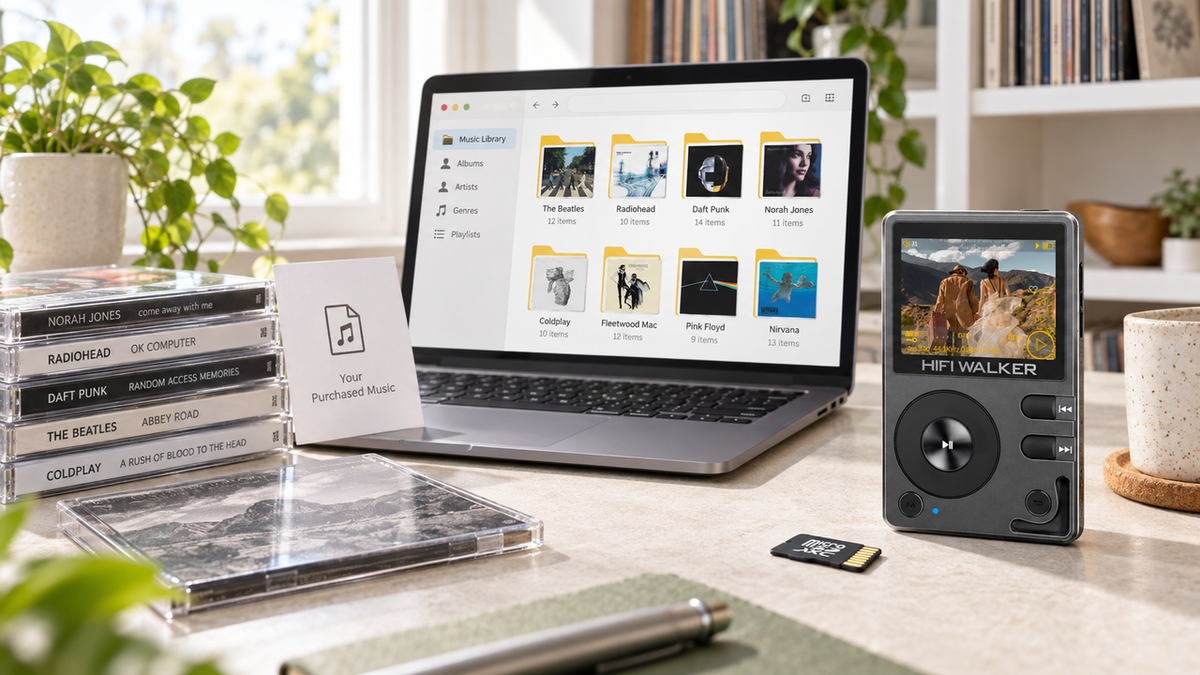
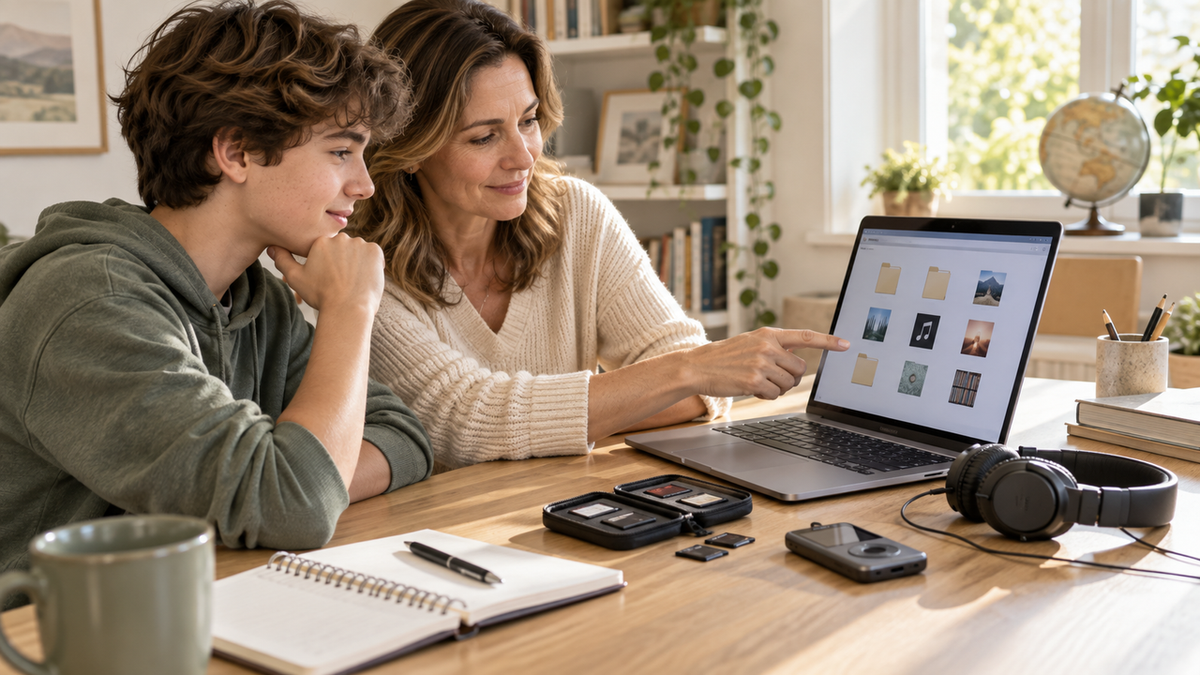
Local file players need files loaded from a computer or transferred onto a memory card ahead of time — there is no app store involved.
Match the interface to the age
A toddler needs big buttons and forgiving controls; an older child can handle a small screen and menus.
Plan for the drop test
Durability matters more than specs for anyone under ten — check the body material, the button layout, and how the player handles being dropped into a school bag.
What Age Is Appropriate for a Kids' Music Player
There is no official cutoff, but the honest answer to what age is appropriate for a kids' music player is: as soon as they can push a button on purpose. That is often somewhere around two or three for very basic listening, with more independence — loading their own playlist, navigating a menu — arriving closer to six or seven.
This also answers what is the best audio player for toddlers and what is the best age to introduce kid's audio entertainment at the same time: age dictates complexity, not whether they get a player at all. A toddler needs one or two physical buttons and nothing else. A seven-year-old can handle browsing a folder of songs.

What Is the Best Music Player for a Sensory-Sensitive Child
For a child who gets overwhelmed by too much stimulation, the question what is the best music player for a sensory-sensitive child usually comes down to reducing everything that is not the sound itself. That means no push notifications, no bright app icons, no vibrating alerts — just play, pause, volume, and quiet.
A screen-free or minimal-screen player removes a whole layer of visual noise that a phone cannot avoid. This is also the direct answer to what is a good screen-free audio player for kids — fewer things demanding attention means the child can actually settle into the audio instead of reacting to the interface.
What Overwhelms
- Pop-up notifications mid-song
- Bright, busy app grids
- Vibration alerts breaking focus
- Having to unlock a screen to change volume
What Helps
- A device with one job: playing audio
- Physical buttons that do not require visual search
- Predictable, repeatable controls
- Consistent volume behavior every time it turns on

What Features Should I Look for in a Kids' Portable Audio Player
Boiled down, what features should i look for in a kids' portable audio player has four real answers: durability, simple controls, decent battery life, and a way to load content without needing constant supervision. Everything past that is a nice-to-have.
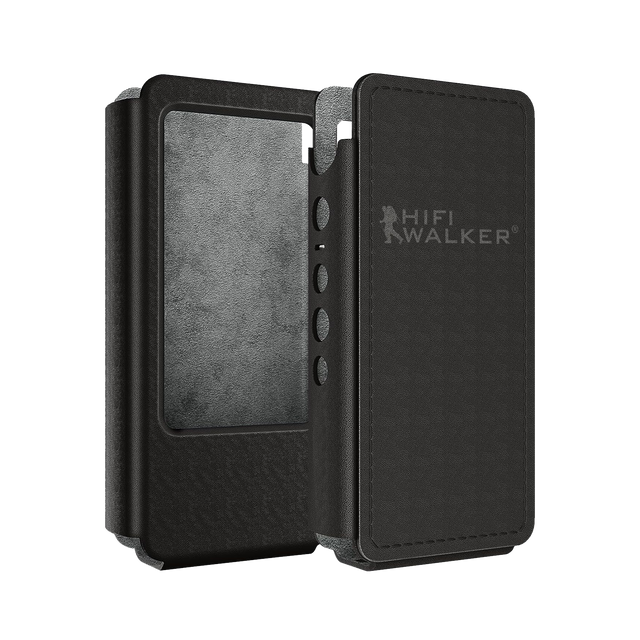
A protective case matters more than people expect — it is the difference between a player that survives a school bag and one that does not make it to the second week.

↑ Back to Top
Back to Top ↑What Are the Best Educational Music Players for Kids
The phrase what are the best educational music players for kids usually points at something specific: a device loaded with language lessons, phonics songs, or read-along stories rather than pop playlists. The player itself does not need to be smart — the content loaded onto it does the teaching.
Any local-file player that accepts a memory card can become an educational device once a parent loads it with the right audio files. The advantage over an app-based tablet is that the child cannot wander off into a different app mid-lesson — there is nowhere else to go.
For more on matching specific models to specific ages, our guide to portable music players for kids in 2026 breaks down Android and Hi-Res options side by side.
What's a Good Bedtime Music Player for Kids, and What's the Best Audiobook Player for Kids
For what's a good bedtime music player for kids, the priority shifts toward low light distraction and a screen that either turns off or dims easily, so the room actually gets dark. A player that resumes the last song or current track after it powers off also matters more at bedtime than any other time of day — nobody wants to fumble through a menu at 8pm in the dark.
For what's the best audiobook player for kids, the honest answer is simpler than the marketing around it: a local-file player can play audiobook audio files the same way it plays songs, and it can resume the last thing played after a restart. That covers most families' actual need without requiring a dedicated audiobook app or subscription.


What Is the Best Music Device for Kids: Weighing the Trade-Offs
The honest answer to what is the best music device for kids is that it is a trade-off, not a single winner. A simple, screen-light player is calmer and harder to break in unexpected ways. A more capable player with a bigger display costs more and adds a small amount of complexity in exchange for a friendlier menu as the child gets older.
Simpler Player, Younger Child
- Fewer buttons to misuse
- Lower cost if it gets lost or broken
- Shorter learning curve for a first device
- Less to distract from the actual audio
More Capable Player, Older Child
- Larger screen for browsing folders independently
- More storage room for a growing library
- Better headphone output as listening habits mature
- Worth the higher price when it will see years of use
Neither answer is wrong — it depends on whether this is a first device for a five-year-old or a step-up device for a ten-year-old who has outgrown something simpler. Our roundup of the best MP3 players for kids walks through both ends of that spectrum in more detail.
What to Look for in a Kids MP3 Player Before You Buy
Pulling all of this together, what to look for in kids mp3 player shopping comes down to matching three things: the child's age, the primary use case, and how much supervision loading content will realistically get. Get those three right and almost any well-built player will do the job.
It also helps to think about protection and charging at the same time as the player itself — those are the parts that actually determine whether the device survives contact with a real child. Our parent's guide to choosing the right MP3 player for kids covers the buying checklist in more depth if this is a first purchase.
There is a whole quiet world behind screen-free listening
Once a family moves past the first simple player, a few other doors tend to open. None of them require an app store.
None of this needs to be decided today. It is enough to know the door is there.
Frequently Asked Questions
Q1: Why should i buy an audio player for kids instead of an old phone?
A dedicated player removes notifications, app stores, and internet access entirely, so listening time stays listening time. It also gives a young child a device that is theirs, without the risk of a parent's phone data or contacts being involved.
Q2: What is the best audio player for my child?
It depends on age and use case more than on any single model. Toddlers do best with one or two large buttons; older kids can handle a small screen and folder navigation. Match the interface to the child rather than chasing the highest spec.
Q3: What age is appropriate for a kids' music player?
There is no fixed cutoff. Basic listening can start around two or three years old with a simple button-based device. More independent use, like browsing a menu or loading a playlist, tends to fit better from around six or seven.
Q4: What is a good screen-free audio player for kids?
Look for a device where volume, play, and pause are physical buttons rather than screen taps. Fewer visual elements mean less to overwhelm a young or sensory-sensitive listener, and controls stay consistent every time the device is picked up.
Q5: What's the best audiobook player for kids?
A local-file player that plays audiobook files the same way it plays songs, and resumes the last track after a restart, covers most families' needs without requiring a subscription app.