


Expert Insights
- The DAC chip is the heart of any serious audio player - ES9038Q2M and AK4497 chips represent current reference standards for portable devices
- Battery life matters, but it must be checked by model and test condition rather than using a generic hour claim
- Hi-res audio format support isn't just about marketing - DSD and high-bitrate PCM files contain audible improvements when played through quality components
Understanding Audio Players: The Foundation of Digital Music
An audio player is any device capable of playing digital music files, from the smartphone in your pocket to dedicated high-resolution digital audio players (DAPs). In today's digital music landscape, understanding what makes an audio player truly exceptional can transform your listening experience from ordinary to extraordinary.
Basic Audio Players
- Smartphones and tablets
- Basic MP3 players
- Computer software players
- Streaming apps
Dedicated Audio Players
- Hi-Res DAPs with premium DACs
- Lossless format support
- Audiophile-grade components
- Extended battery life

- ►1. Understanding Audio Players: The Foundation of Digital Music
- ►2. Types of Audio Players: From Basic to Audiophile
- ►3. Key Components That Define Audio Player Quality
- ►4. Audio Formats and File Support: What Your Player Should Handle
- ►5. Choosing the Right Audio Player for Your Needs
- ►6. Audio Player Features That Matter Most
- ►7. The Future of Audio Players: Trends and Technologies
Types of Audio Players: From Basic to Audiophile
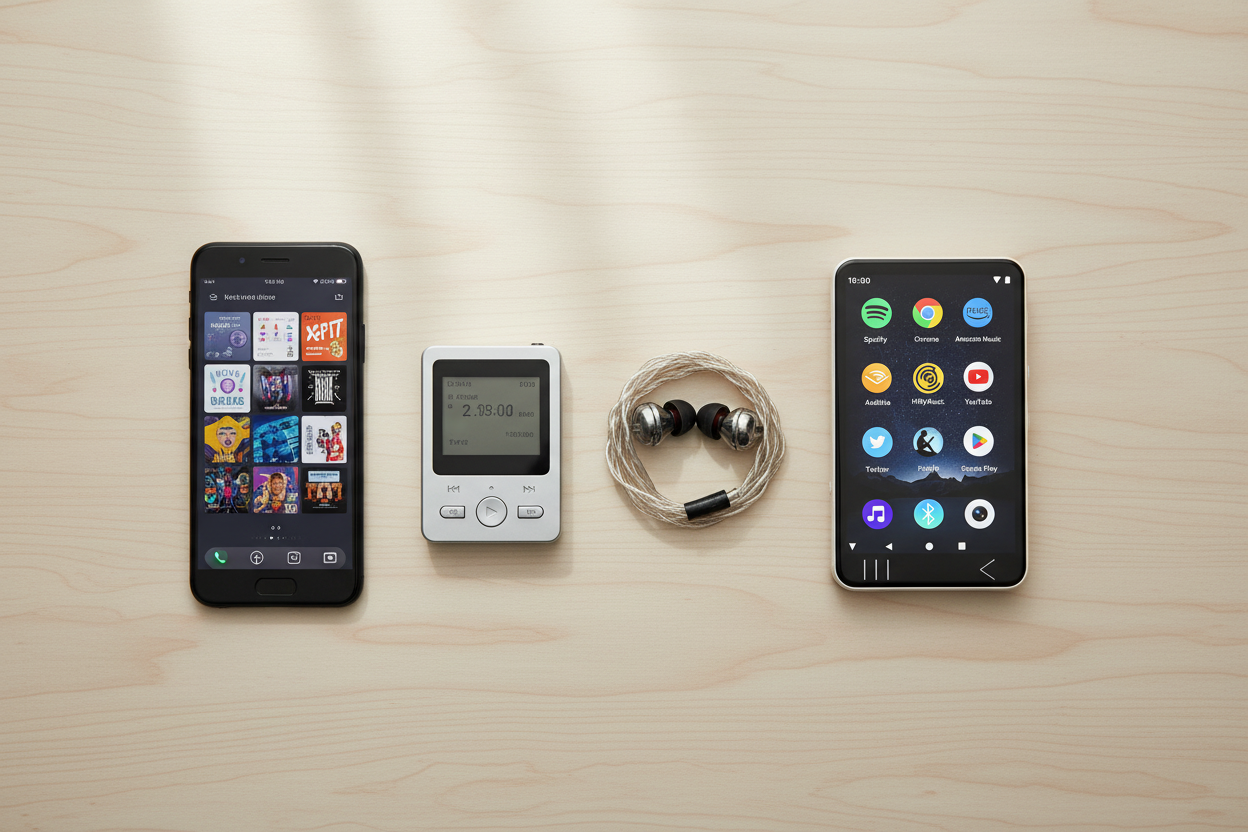
The audio player market spans from budget-friendly options to professional-grade devices. Each category serves different needs, from casual listening to critical audio analysis.
Smartphone Audio Players
Built-in music apps with convenience but limited audio quality due to shared processing power and basic DACs.
Dedicated MP3 Players
Simple devices focused solely on music playback, offering better battery life than phones but basic audio circuits.
Hi-Res Digital Audio Players
Premium local-file players should be compared by confirmed DAC, output, and format support such as FLAC, WAV, and model-specific DSD.
Android-Based Players
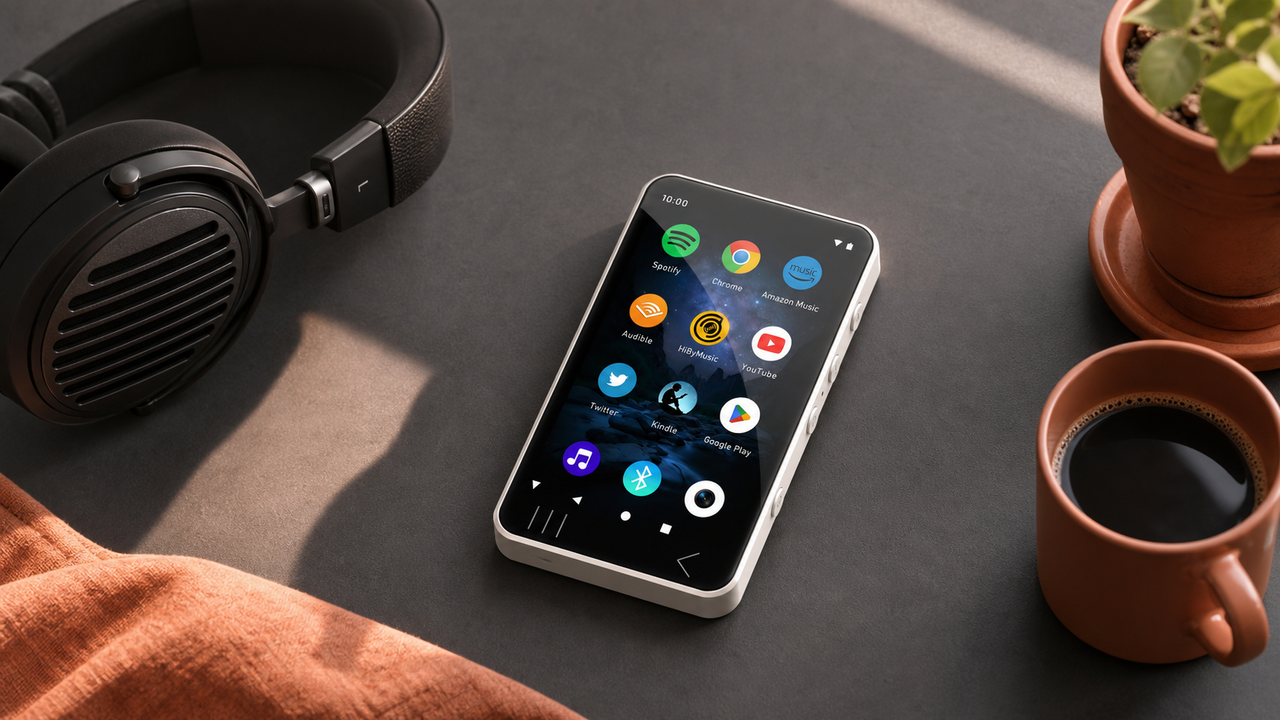
Smart DAPs combining hi-res audio capabilities with streaming apps and advanced functionality.

Key Components That Define Audio Player Quality
The heart of any exceptional audio player lies in its internal components. Understanding these elements helps you make informed decisions when choosing your next device.
Critical Components
- DAC (Digital-to-Analog Converter)
- Amplifier circuitry
- Power management system
- Storage capacity
Quality Indicators
- THD+N specifications
- Signal-to-noise ratio
- Output power ratings
- Format support range

Audio Formats and File Support: What Your Player Should Handle
Modern audio players must navigate a complex landscape of digital formats, from compressed MP3 files to studio-master DSD recordings. Format support directly impacts your music library's potential.
Lossy Formats
MP3, AAC, and OGG provide convenience and small file sizes but sacrifice audio quality through compression algorithms.
Lossless Formats
FLAC, ALAC, and WAV preserve original recording quality without compression, essential for serious listening.
High-Resolution Formats
DSD64/128/256 and PCM up to 32-bit/384kHz offer studio-master quality for the ultimate listening experience.
Streaming Formats
Streaming-app and streaming-format support must be verified by model; Android models are the safe path for app-based streaming.
Product: g7-pro-android-player
View Product →↑ Back to Top
Back to Top ↑Choosing the Right Audio Player for Your Needs
Selecting the perfect audio player requires balancing your listening habits, budget, and quality expectations. Different use cases demand different approaches to portable audio.
Casual Listeners
- Focus on convenience and battery life
- Streaming app integration important
- Budget-friendly options sufficient
- Basic format support adequate
Audio Enthusiasts
- Prioritize DAC and amplifier quality
- Extensive hi-res format support essential
- Balanced output for premium headphones
- Investment in long-term audio quality

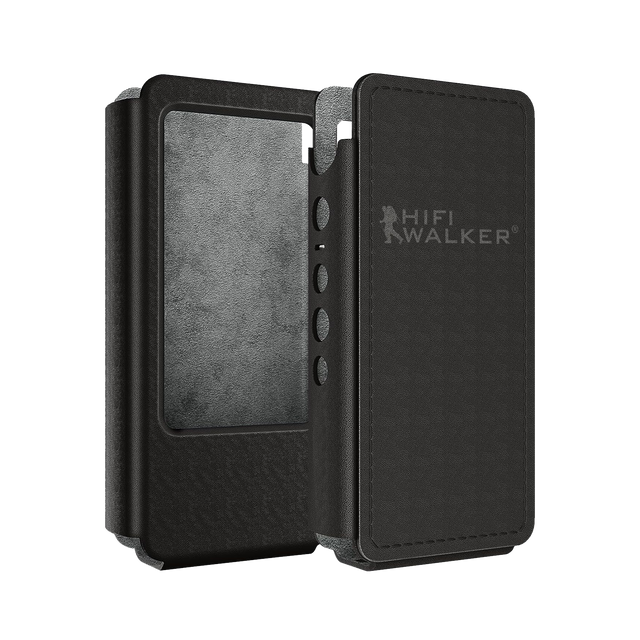
Consider your headphone impedance, music library format, and whether you need streaming capabilities. The HIFI WALKER collection offers options for every audiophile level, from entry-level to reference-grade players.
Audio Player Features That Matter Most
Beyond basic playback, modern audio players offer features that enhance your listening experience and provide long-term value. Understanding which features align with your needs prevents overpaying for unused capabilities.
Audio Quality Features
Look for low THD+N ratings, high SNR specifications, and multiple output options including balanced connections.
Usability Features
Consider screen quality, button layout, and whether touch or physical controls suit your preferences.
Connectivity Options
Evaluate need for Bluetooth, WiFi, USB-C, and whether you want streaming app compatibility.
Power Management
Battery life varies by model, file type, volume, Bluetooth, screen use, and headphones; use each product's listed test condition.

The Future of Audio Players: Trends and Technologies
The audio player industry continues evolving with new technologies and changing listening habits. Understanding these trends helps future-proof your investment in portable audio.
Emerging Technologies
- AI-powered sound optimization
- Improved battery chemistries
- Smaller, more powerful DACs
- Enhanced wireless protocols
Market Trends
- Integration with streaming services
- Modular/upgradeable designs
- Focus on sustainability
- Personalized audio profiles
As music streaming and hi-res audio become mainstream, the best audio players will balance local storage capabilities with seamless streaming integration. The latest DAP reviews showcase how manufacturers are responding to these evolving demands.
Frequently Asked Questions
Q1: What's the difference between an audio player and an MP3 player?
An audio player is the broader term for any device that plays digital music files, while MP3 player specifically refers to devices designed primarily for MP3 format. Modern audio players support multiple formats including hi-res files like FLAC and DSD.
Q2: Do I need a dedicated audio player if I have a smartphone?
Dedicated audio players offer superior audio quality through better DACs, longer battery life, and support for hi-res formats. If you're serious about audio quality and use good headphones, a dedicated player provides noticeable improvements over smartphones.
Q3: What audio formats should my player support?
At minimum, look for FLAC, MP3, AAC, and WAV support. For Hi-Res use, check the exact model's confirmed DSD and high-bitrate PCM support before purchase.
Q4: How much should I spend on an audio player?
Entry-level quality starts around $120-150, mid-range audiophile players cost $180-250, and flagship models can exceed $300. Your headphone quality and music library format should guide your budget decision.
Q5: What's the importance of a balanced output on an audio player?
Balanced output provides better noise rejection, increased power output, and improved channel separation compared to single-ended outputs. It's especially beneficial when using high-impedance or planar magnetic headphones.