


Expert Insights
- Modern portable audio is moving toward hybrid designs that excel in both wired DAC performance and Bluetooth connectivity rather than forcing users to choose one or the other.
- The quality gap between premium wired DAC output and high-end Bluetooth codecs like LDAC continues to narrow, making wireless a viable option for serious listening.
- Future audio devices will likely feature intelligent switching between connection types based on headphone capabilities and listening context, optimizing for both quality and convenience.
The Fundamentals of DAC and Bluetooth Audio
Understanding the relationship between DAC and Bluetooth technology is crucial for any audio enthusiast. While these technologies serve different purposes in the audio chain, they often work together in modern portable devices to deliver high-quality sound experiences.
What is a DAC?
- Converts digital audio to analog signals
- Essential for all audio playback
- Quality affects sound fidelity
- Built into every audio device
What is Bluetooth Audio?
- Wireless transmission protocol
- Compresses audio for transmission
- Convenient cable-free listening
- Various codec options available

Every digital audio device requires a DAC to convert digital audio files into analog signals that speakers or headphones can reproduce. Bluetooth, meanwhile, is a transmission method that allows wireless audio streaming between devices.
- ►1. The Fundamentals of DAC and Bluetooth Audio
- ►2. How DAC and Bluetooth Work Together
- ►3. Audio Quality: Wired DAC vs Bluetooth Transmission
- ►4. Bluetooth Codecs and DAC Performance
- ►5. Choosing Between DAC-First vs Bluetooth-First Devices
- ►6. Technical Considerations: Impedance and Power Output
- ►7. Future Trends: DAC and Bluetooth Integration
- ►8. Making the Right Choice for Your Audio Setup
How DAC and Bluetooth Work Together
In Bluetooth audio transmission, the relationship between DAC and Bluetooth creates a complex signal path. The source device encodes analog audio into digital, transmits it via Bluetooth, and the receiving device's DAC converts it back to analog for playback.
Digital Source Processing
Audio file is processed by the source device's digital signal processor and prepared for Bluetooth transmission
Bluetooth Encoding
Audio data is compressed using codecs like SBC, AAC, aptX, or LDAC for wireless transmission
Wireless Transmission
Encoded audio is transmitted wirelessly to the receiving Bluetooth device
DAC Conversion
Receiving device's DAC converts the decoded digital signal back to analog for speaker/headphone output
This process introduces potential quality compromises, as Bluetooth codecs must balance audio quality with transmission stability and battery efficiency.
Audio Quality: Wired DAC vs Bluetooth Transmission
The debate between wired DAC connections and Bluetooth audio centers on signal integrity and audio fidelity. Direct DAC connections typically offer superior sound quality due to the absence of compression artifacts.

While high-quality Bluetooth codecs like LDAC and aptX HD have narrowed the gap significantly, dedicated DAC implementations in premium portable players still maintain an edge in absolute sound quality.
Bluetooth Codecs and DAC Performance
Modern Bluetooth codecs have evolved to work more effectively with high-quality DACs, minimizing the traditional compromises associated with wireless audio transmission.
Standard Codecs
- SBC: Universal compatibility
- AAC: iPhone/Apple ecosystem
- aptX: Android devices
- Basic quality trade-offs
High-Quality Codecs
- LDAC: Up to 990kbps
- aptX HD: 24-bit/48kHz
- aptX Adaptive: Variable bitrate
- Near CD-quality wireless

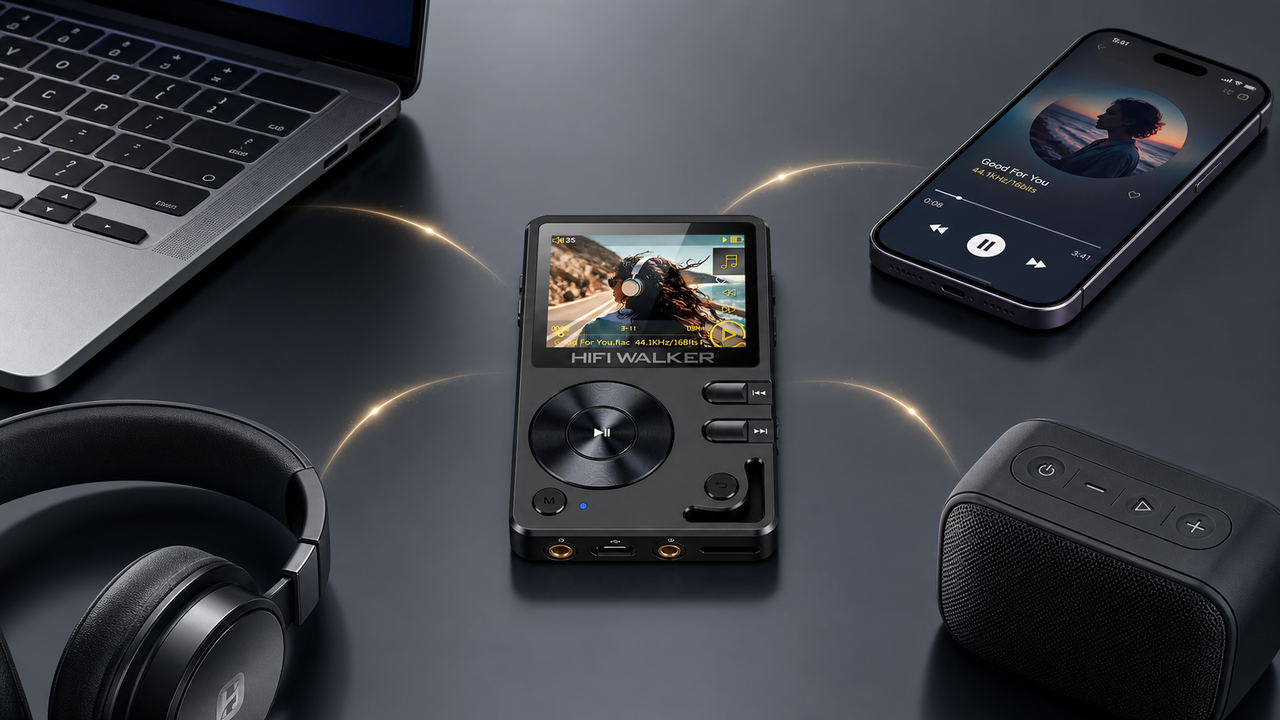
The HIFI WALKER H20Ultra Hi-Res Audio Player exemplifies how modern devices integrate both premium DAC technology and advanced Bluetooth capabilities in a single unit.
Choosing Between DAC-First vs Bluetooth-First Devices
Your choice between DAC-focused or Bluetooth-centric audio devices depends on your listening priorities, lifestyle, and audio quality expectations.
Assess Your Listening Environment
Consider whether you primarily listen at home/desk (wired) or during commutes/exercise (wireless)
Evaluate Your Audio Library
High-resolution files benefit more from quality DACs, while streaming services work well with good Bluetooth codecs
Consider Device Integration
Choose devices that excel in your preferred connection method while offering backup options
Budget for Quality
Invest in the technology you'll use most - either premium DAC chips or advanced Bluetooth implementations

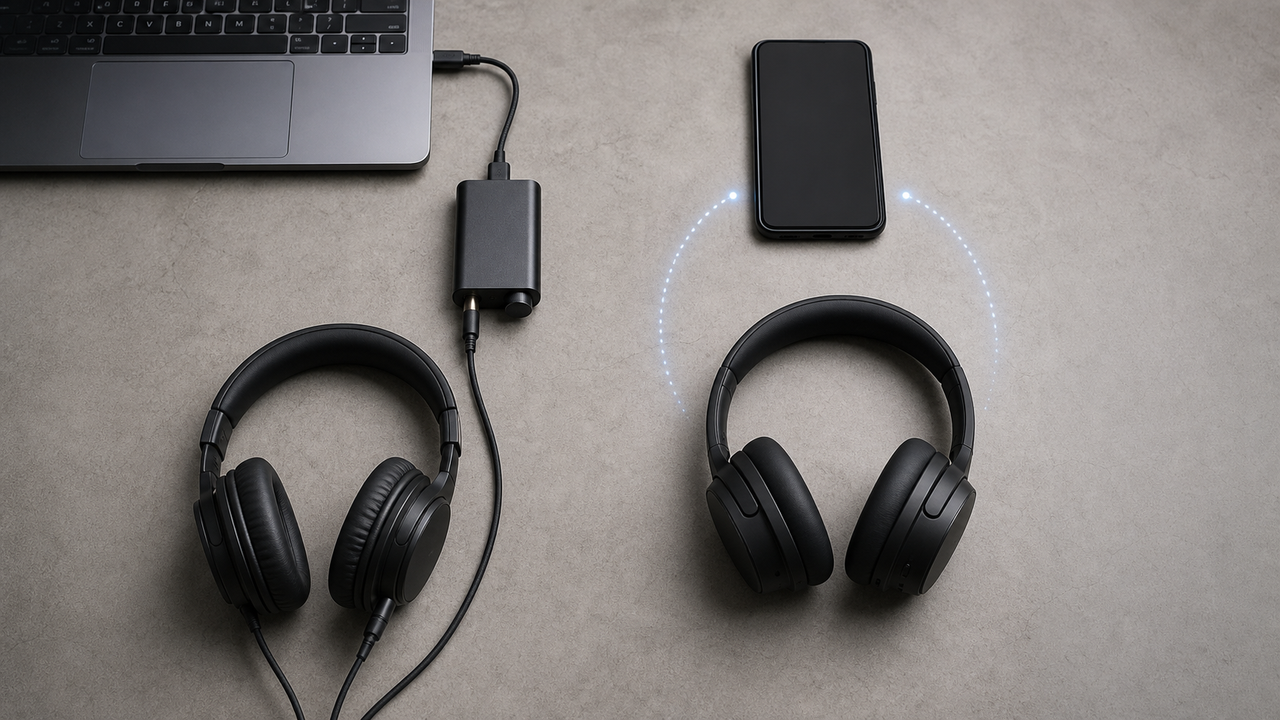
Many modern portable players offer both excellent DAC performance and robust Bluetooth capabilities, providing flexibility for different listening scenarios without compromise.
↑ Back to Top
Back to Top ↑Technical Considerations: Impedance and Power Output
When comparing DAC and Bluetooth solutions, power output capabilities and impedance matching become crucial factors, especially for demanding headphones.
Wired DAC Advantages
- Direct power to high-impedance headphones
- Variable gain settings available
- No compression power limitations
- Dedicated amplifier circuits
Bluetooth Limitations
- Power limited by wireless device
- May not drive demanding headphones
- Battery life considerations
- Dependent on receiver capabilities

The HIFI WALKER H2 Touch Hi-Res Audio Player demonstrates how compact devices can provide sufficient power for both wired and wireless listening scenarios.
Future Trends: DAC and Bluetooth Integration
The future of portable audio lies in seamless integration of high-quality DAC technology with advanced Bluetooth capabilities, offering users the best of both worlds.

Enhanced Codec Development
New Bluetooth codecs approaching lossless quality while maintaining low latency
Adaptive Quality Systems
Smart switching between wired DAC and wireless based on headphone capabilities
Power Efficiency Improvements
Better battery management allowing simultaneous high-quality DAC and Bluetooth operation
Multi-Device Integration
Seamless handoff between different audio sources and output methods
For the latest in portable audio technology combining both DAC excellence and Bluetooth innovation, explore our complete range of Hi-Fi players.
Making the Right Choice for Your Audio Setup
Understanding the relationship between DAC and Bluetooth technology empowers you to make informed decisions about your audio setup, whether prioritizing ultimate quality or maximum convenience.
Choose Wired DAC When
- Critical listening is priority
- Using high-impedance headphones
- Working with hi-res audio files
- Battery life is crucial
Choose Bluetooth When
- Mobility and convenience matter
- Using modern wireless headphones
- Streaming from multiple devices
- Exercise and active lifestyle

The best modern audio devices don't force you to choose - they excel at both wired DAC performance and Bluetooth connectivity, adapting to your listening needs throughout the day.
Frequently Asked Questions
Q1: Can a device have both high-quality DAC and good Bluetooth audio?
Yes, many modern portable audio players feature both premium DAC chips for wired listening and advanced Bluetooth codecs for wireless connectivity. This dual approach provides maximum flexibility without compromising audio quality in either mode.
Q2: Does Bluetooth audio bypass the DAC entirely?
No, Bluetooth audio still requires a DAC for playback. The digital audio is transmitted wirelessly to the receiving device, which then uses its own DAC to convert the signal to analog for the speakers or headphones.
Q3: Which Bluetooth codecs work best with high-quality DACs?
LDAC, aptX HD, and aptX Adaptive are the best Bluetooth codecs for use with quality DACs. These codecs preserve more audio information during transmission, allowing the receiving DAC to work with higher-quality digital signals.
Q4: Is wired DAC connection always better than Bluetooth?
While wired DAC connections typically offer superior technical performance, modern high-quality Bluetooth codecs have significantly narrowed the gap. For many listeners, the convenience of wireless often outweighs the marginal quality difference.
Q5: How does battery life compare between DAC and Bluetooth modes?
Wired DAC mode generally consumes less power than Bluetooth transmission. However, the difference has decreased with more efficient Bluetooth chips and power management systems in modern devices.