

Expert Insights
- The 1st MP3 player in 1998 had the same 32MB storage as a single high-resolution audio file today, highlighting the dramatic evolution in both storage capacity and audio quality expectations
- Legal battles over the Diamond Rio established crucial precedent that digital music devices were legal tools, not piracy enablers, paving the way for the entire digital audio industry
- While smartphones killed mainstream MP3 players, they simultaneously created a premium market for dedicated DAPs as audio enthusiasts sought devices optimized purely for sound quality rather than convenience
The Birth of the First MP3 Player (1998)
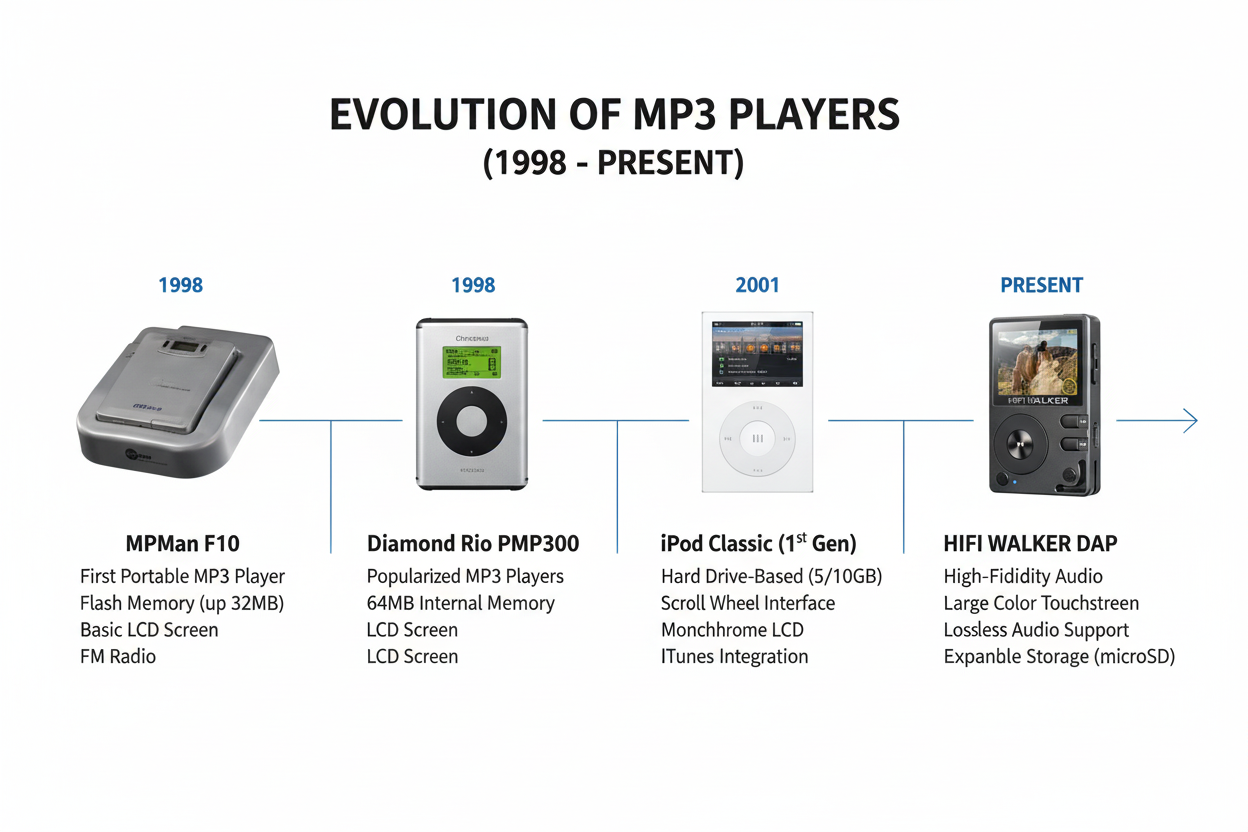
The 1st MP3 player that truly changed the music industry was the MPMan F10, released by SaeHan Information Systems in March 1998. This revolutionary device could store just 32MB of music—roughly 6-8 songs—but it represented a seismic shift from cassette tapes and portable CD players to digital audio freedom.
Pre-MP3 Era Limitations
- Bulky CD players that skipped
- Cassette tapes with poor audio quality
- Limited storage capacity
- Physical media degradation
MP3 Player Breakthrough
- Skip-free digital playback
- Compact solid-state design
- Multiple songs in pocket-size
- Digital file permanence

The MPMan F10 featured a simple LCD display, basic controls, and used SmartMedia cards for storage expansion. While primitive by today's standards, it established the fundamental DNA that would define portable digital audio for decades to come.
- ►1. The Birth of the First MP3 Player (1998)
- ►2. The Diamond Rio and Early Competition (1998-2000)
- ►3. The iPod Revolution (2001-2010)
- ►4. The Smartphone Takeover (2007-2015)
- ►5. The Hi-Res Audio Renaissance (2012-Present)
- ►6. Modern DAP Technology and Features (2020-2026)
- ►7. Why Dedicated DAPs Still Matter in 2026
The Diamond Rio and Early Competition (1998-2000)
Just months after the MPMan, Diamond Multimedia launched the Rio PMP300 in September 1998, becoming the first MP3 player to gain significant market traction in the United States. The Rio sparked immediate controversy with the Recording Industry Association of America (RIAA) attempting to ban its sale.
Legal Challenge
RIAA sued Diamond Multimedia, claiming the Rio violated the Audio Home Recording Act
Court Victory
Federal court ruled in Diamond's favor, establishing legal precedent for MP3 players
Market Explosion
Victory opened floodgates for dozens of competing MP3 player manufacturers

The iPod Revolution (2001-2010)
Apple's iPod, launched on October 23, 2001, didn't invent the MP3 player—but it perfected the concept. With its iconic scroll wheel interface and "1,000 songs in your pocket" tagline, the iPod transformed portable audio from a niche tech gadget into a cultural phenomenon.
Pre-iPod MP3 Players
- Complex menu systems
- Limited storage (32-64MB)
- Poor industrial design
- Clunky file transfer
iPod Innovation
- Intuitive scroll wheel navigation
- 5GB-160GB storage capacity
- Premium design aesthetic
- Seamless iTunes integration

The iPod's success wasn't just about hardware—it created an entire ecosystem. iTunes Store, launched in 2003, provided legal digital music purchases, while successive iPod generations introduced video playback, touchscreens, and eventually evolved into the iPhone's foundation.
The Smartphone Takeover (2007-2015)
The iPhone's 2007 debut marked the beginning of the end for mainstream MP3 players. Why carry two devices when your phone could handle calls, internet, apps, and music? By 2015, dedicated MP3 player sales had plummeted as smartphones became the dominant portable audio platform.

However, this transition created a significant problem for audio enthusiasts: smartphones prioritized convenience over sound quality. Compressed audio codecs, weak built-in DACs, and battery-sharing with other apps meant serious music lovers were left without a premium portable solution.
↑ Back to Top
Back to Top ↑The Hi-Res Audio Renaissance (2012-Present)
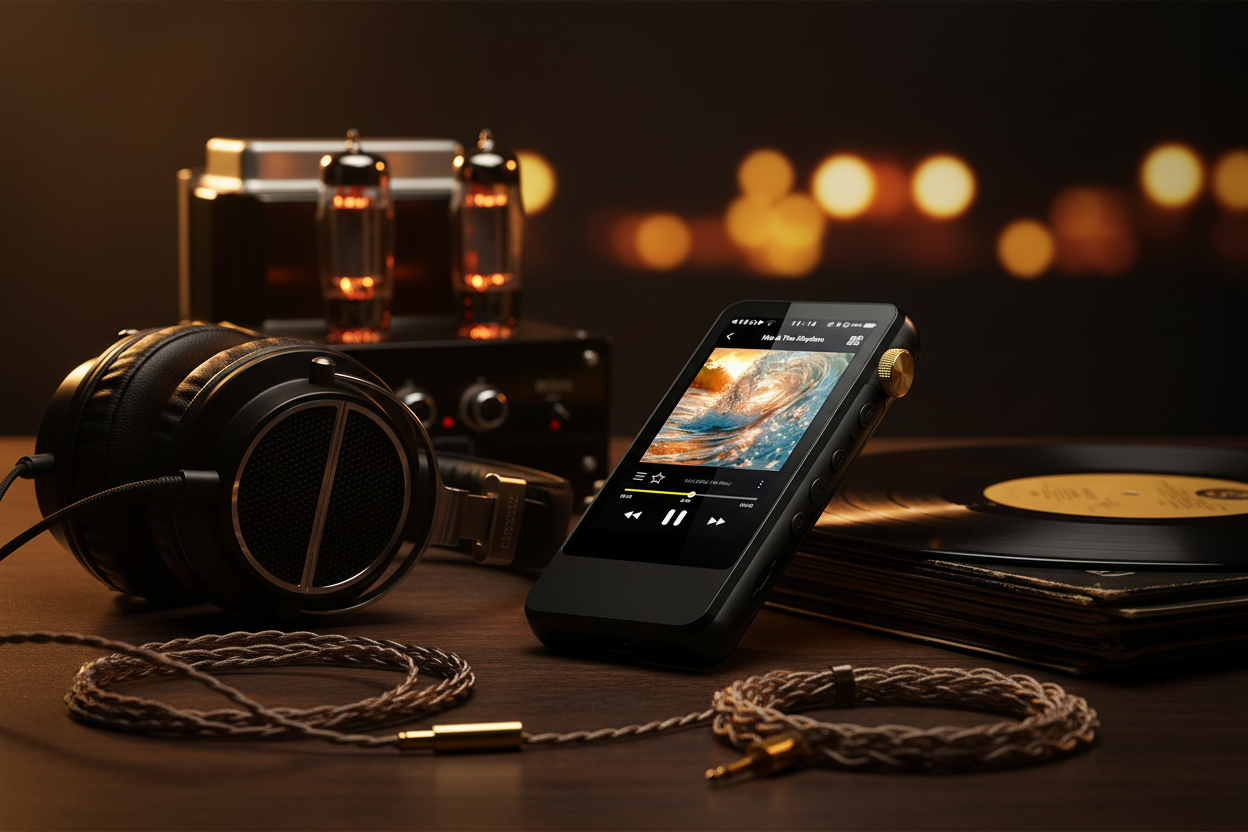
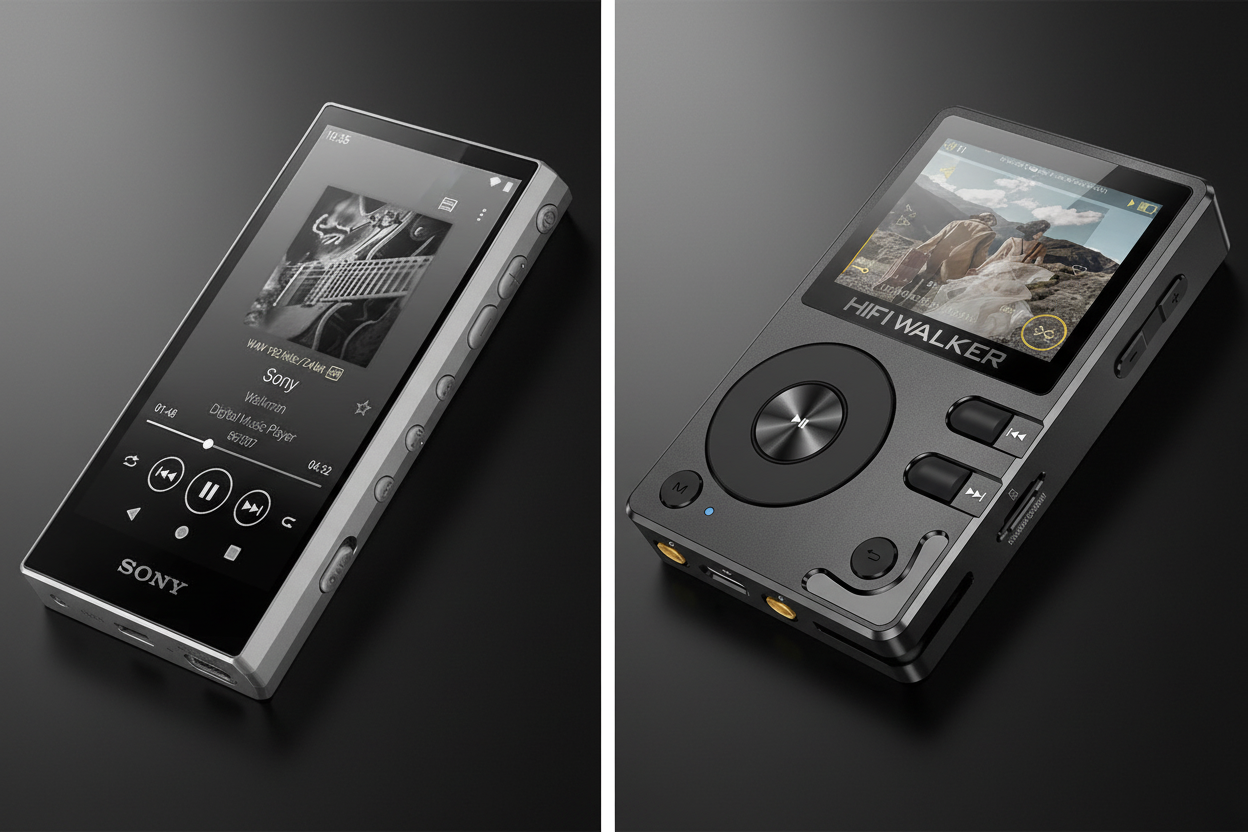
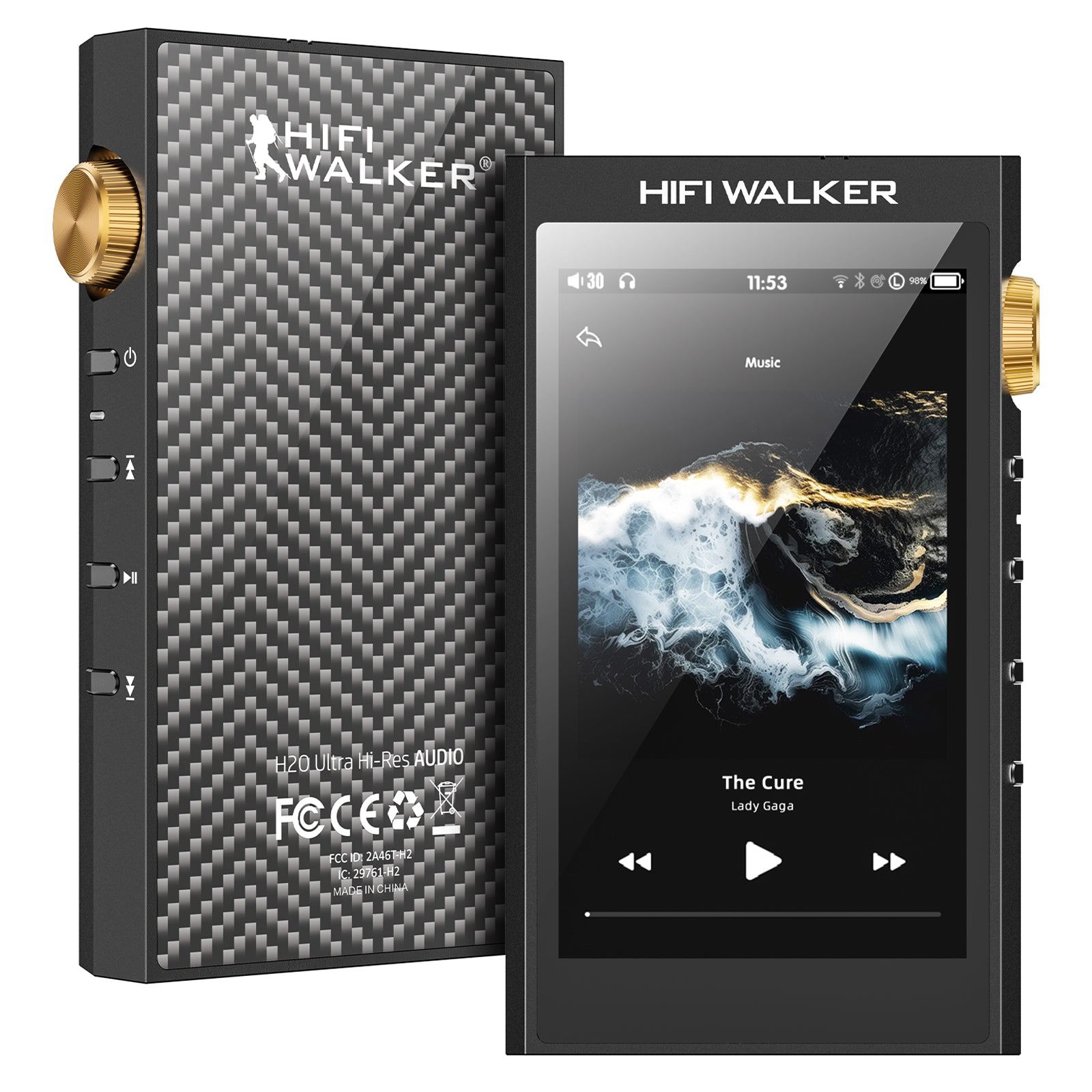
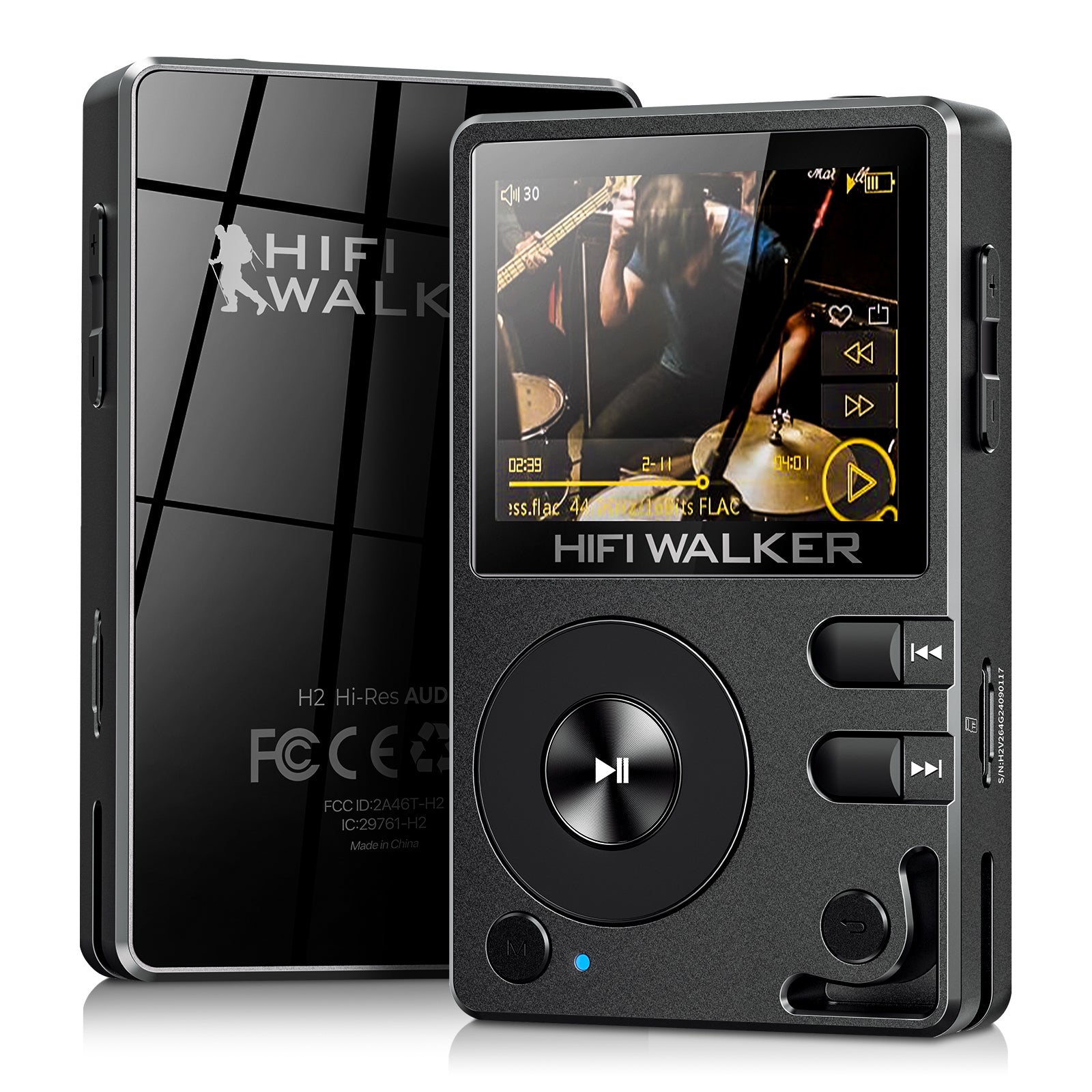
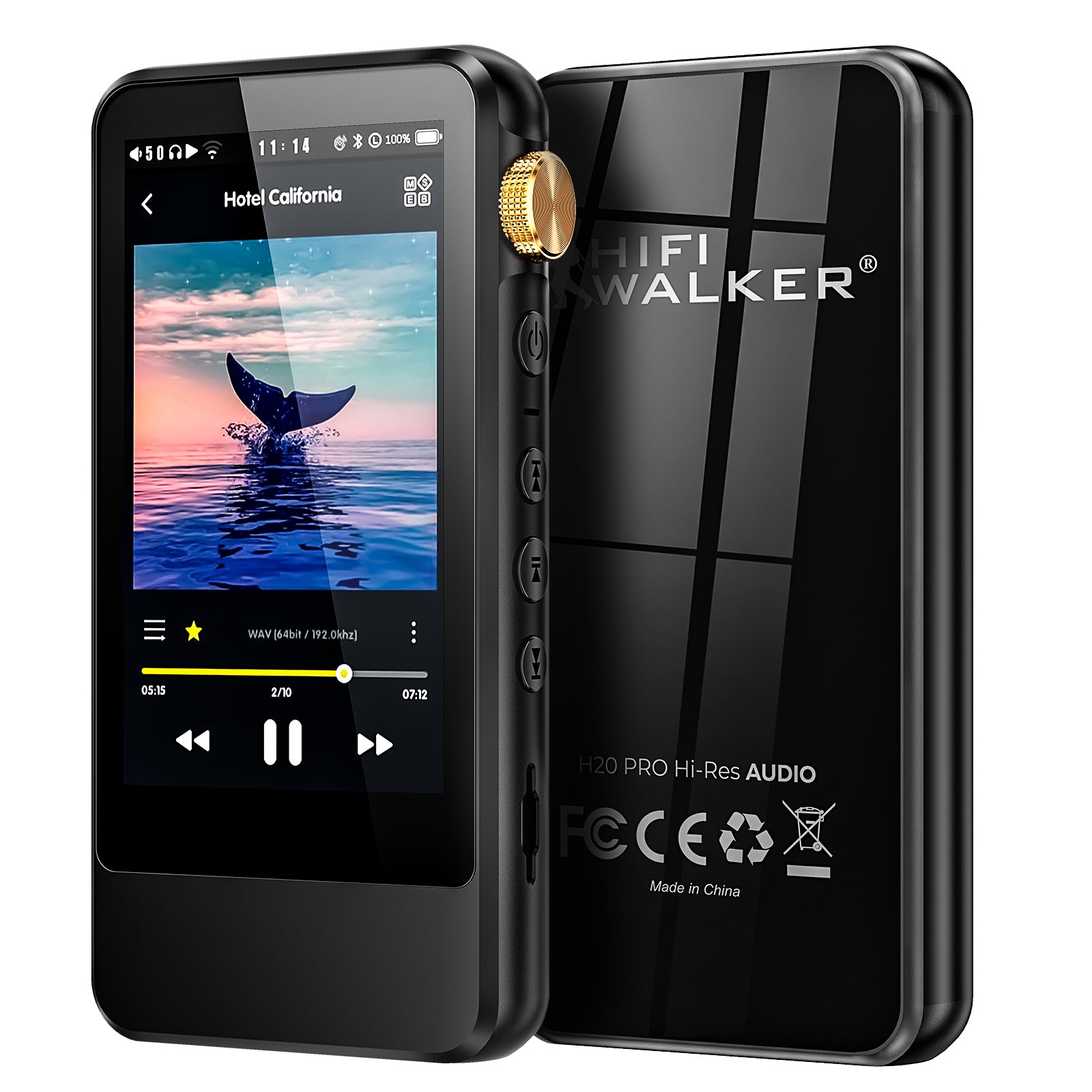
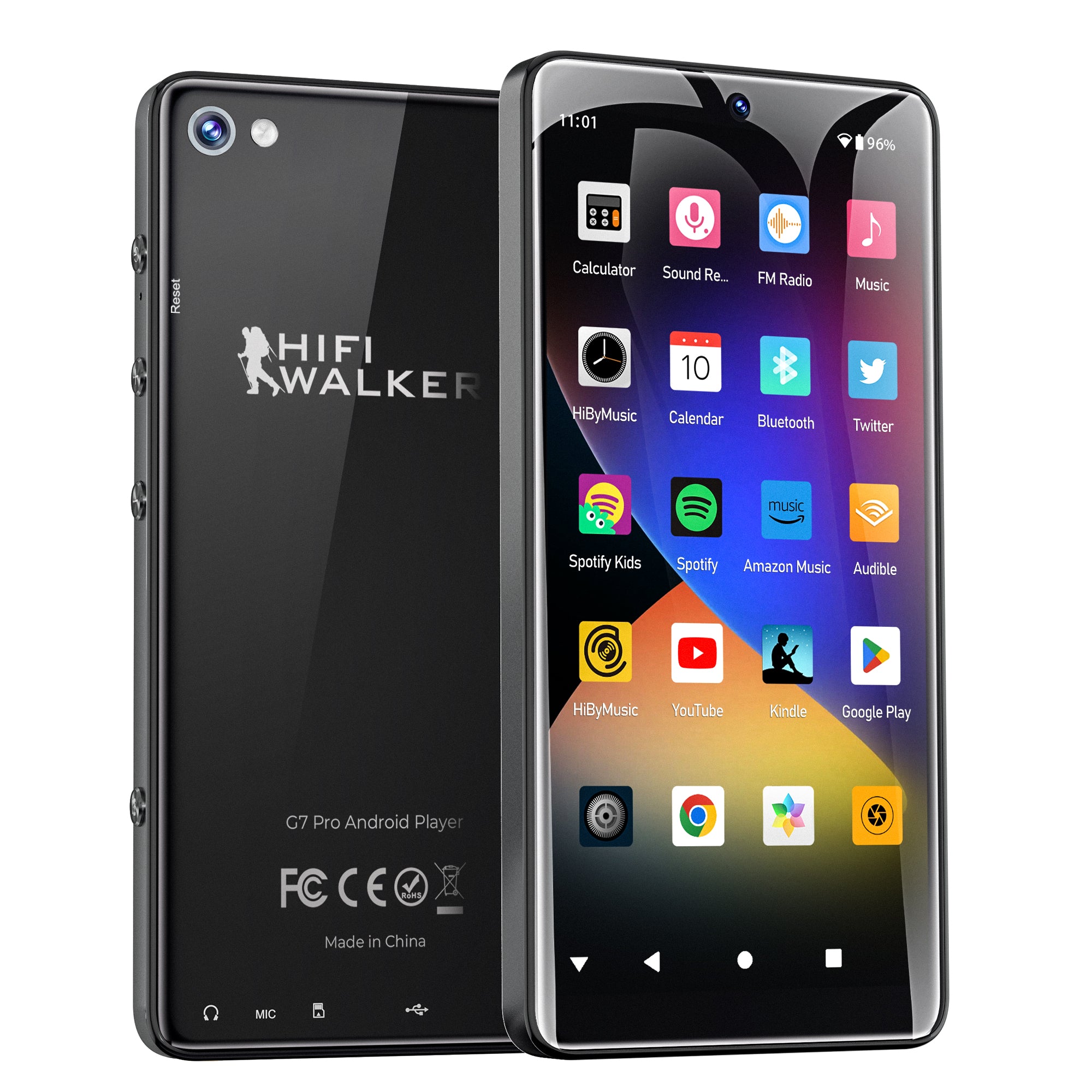
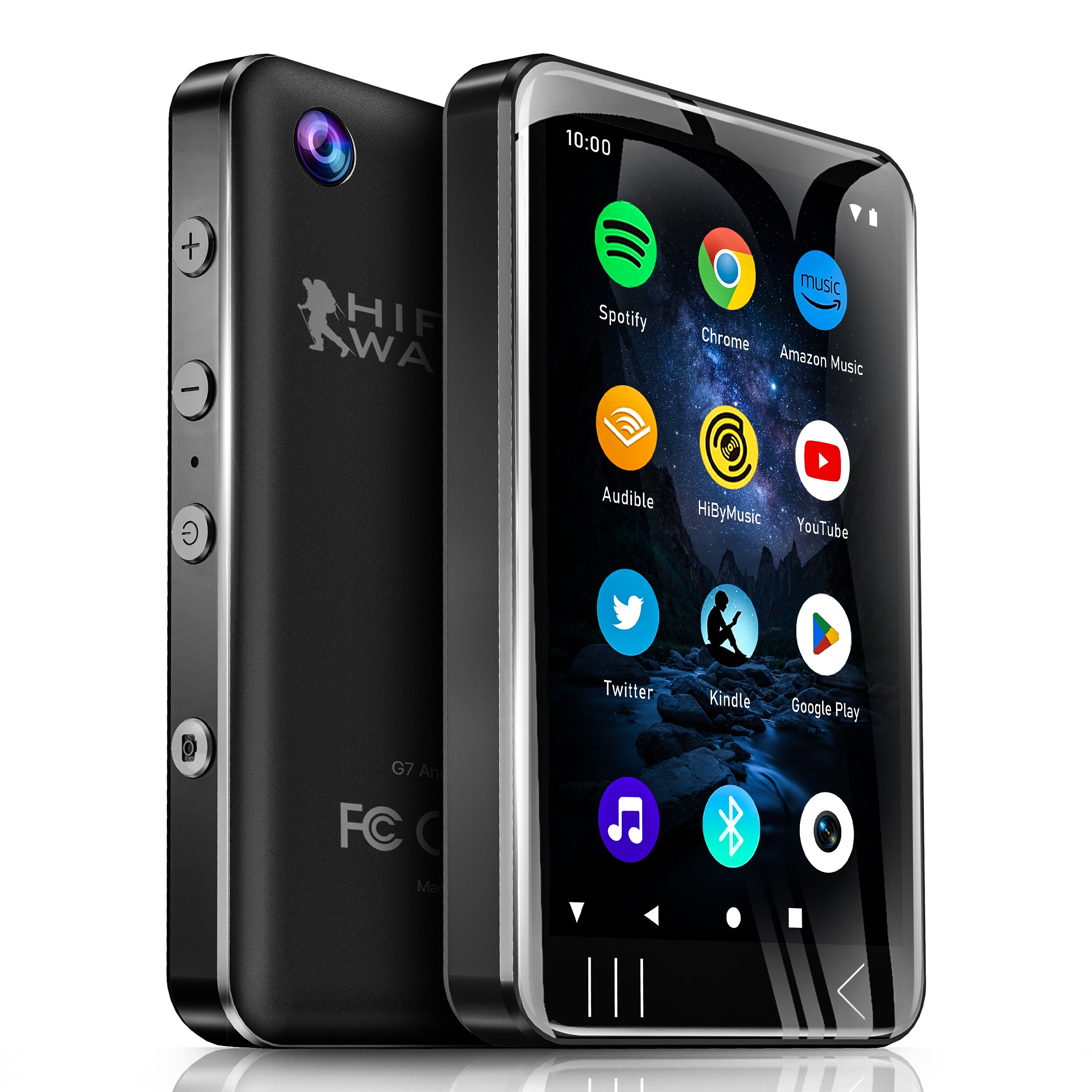
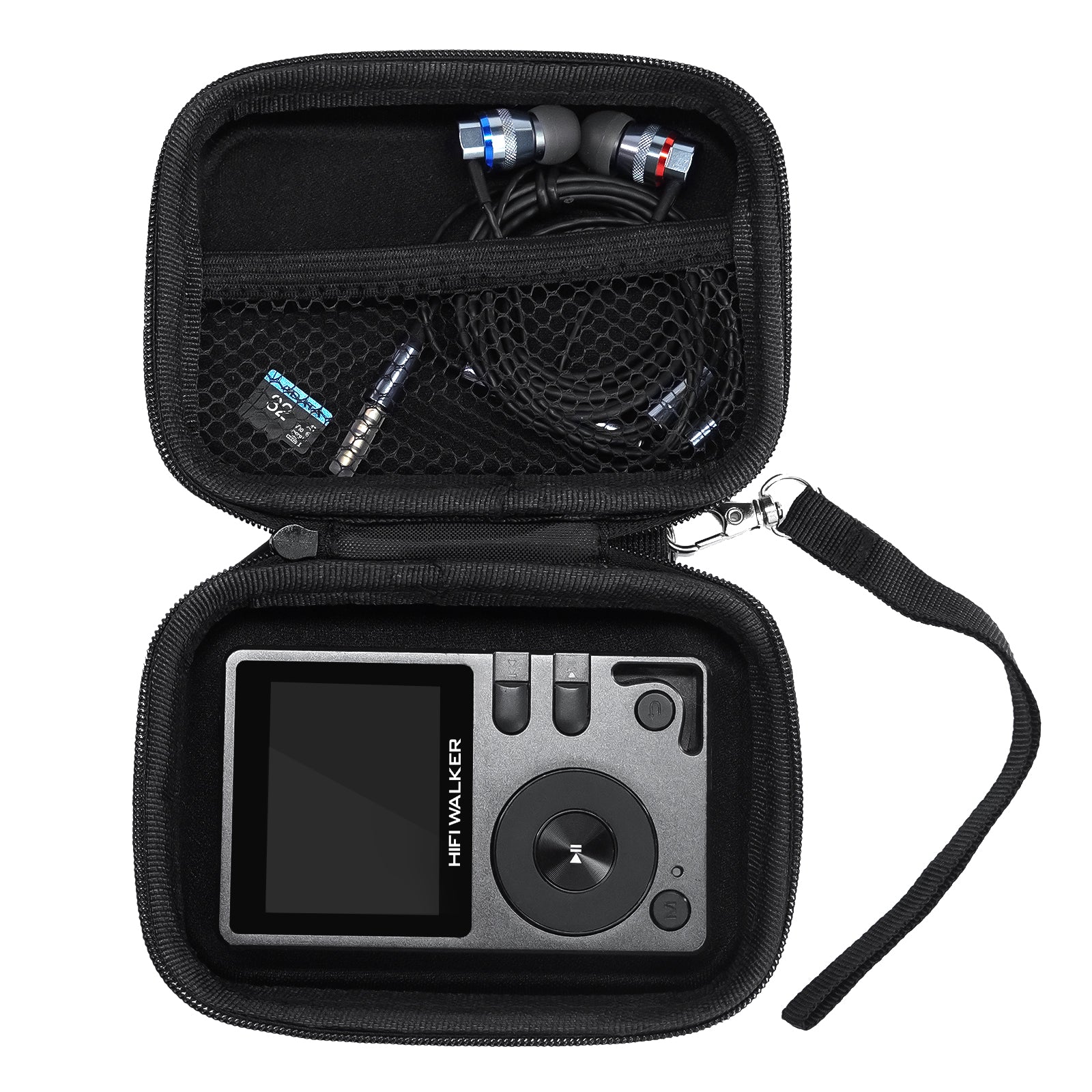
While smartphones dominated mainstream markets, a new category emerged: dedicated Digital Audio Players (DAPs) designed specifically for audiophiles. Companies like HIFI WALKER recognized that serious listeners needed devices optimized purely for sound quality, not smartphone functionality.

Smartphone Audio Limitations
- Compressed Bluetooth codecs
- Shared processing power
- Basic integrated DACs
- 4-6 hour music battery
Modern DAP Advantages
- Lossless FLAC/DSD support
- Dedicated audio processing
- Premium ESS Sabre DACs
- 15+ hour focused playback

Today's best DAPs support formats that didn't exist in the MP3 era: DSD256, MQA, and 32-bit/384kHz PCM files. These aren't just marketing numbers—they represent genuine improvements in dynamic range, detail retrieval, and musical accuracy that trained listeners can clearly hear.
Modern DAP Technology and Features (2020-2026)
Contemporary digital audio players have evolved far beyond the basic MP3 functionality of 1998. Modern devices like HIFI WALKER's DAP collection incorporate streaming capabilities, Android interfaces, and audiophile-grade components that would have been impossible in early MP3 players.

Digital-to-Analog Conversion
Premium ESS Sabre or AKM Velvet Sound DAC chips deliver bit-perfect audio reproduction
Amplification Stage
Dedicated headphone amplifiers drive high-impedance studio monitors and planar magnetic drivers
Output Options
Balanced XLR and single-ended connections optimize different headphone types
Digital Processing
Hardware-based upsampling and filtering preserve musical detail without smartphone interruptions

Why Dedicated DAPs Still Matter in 2026
Despite smartphone ubiquity, dedicated DAPs serve a crucial role for serious listeners. Professional musicians, audio engineers, and discerning enthusiasts require playback accuracy that smartphones simply cannot deliver due to their multi-purpose design constraints.
Smartphone Compromises
- Background app interference
- Thermal throttling during long sessions
- Compressed streaming emphasis
- Limited output power for studio headphones
DAP Advantages
- Zero digital interference
- Consistent performance regardless of duration
- Native support for audiophile formats
- Balanced outputs for professional monitors

Modern DAPs also offer features impossible on smartphones: dedicated line outputs for home systems, configurable digital filters, and hardware-level audio processing that doesn't compete with notifications, calls, or apps for system resources.
For those interested in exploring today's portable audio options, our comprehensive DAP reviews provide detailed comparisons of modern players versus both vintage devices and smartphone alternatives.
Frequently Asked Questions
Q1: What was the very first MP3 player ever made?
The MPMan F10, released by SaeHan Information Systems in March 1998, was the first commercially available MP3 player. It featured 32MB of storage and could hold approximately 6-8 songs.
Q2: Why did the Diamond Rio cause legal controversy?
The RIAA sued Diamond Multimedia in 1998, claiming the Rio PMP300 violated the Audio Home Recording Act. However, federal court ruled in Diamond's favor, establishing important legal precedent for digital music devices.
Q3: How did the iPod change the MP3 player market?
The iPod revolutionized portable audio through superior industrial design, intuitive scroll wheel navigation, massive storage capacity (5GB vs 32MB), and seamless iTunes integration, making digital music mainstream.
Q4: Are dedicated MP3 players still relevant in 2026?
Yes, modern Digital Audio Players (DAPs) serve audiophiles and professionals who need superior sound quality, hi-res format support, balanced outputs, and interference-free audio processing that smartphones cannot provide.
Q5: What's the difference between early MP3 players and modern DAPs?
Modern DAPs feature premium DAC chips, support for DSD256/MQA formats, balanced outputs, 15+ hour battery life, and dedicated audio processing, while early MP3 players offered basic playback of compressed files with limited storage.