

Expert Insights
- Storage expansion capability matters more than internal storage size - you can always upgrade microSD cards as your library grows
- Battery life claims assume MP3 playback - expect 20-30% shorter runtime with hi-res files and power-hungry headphones
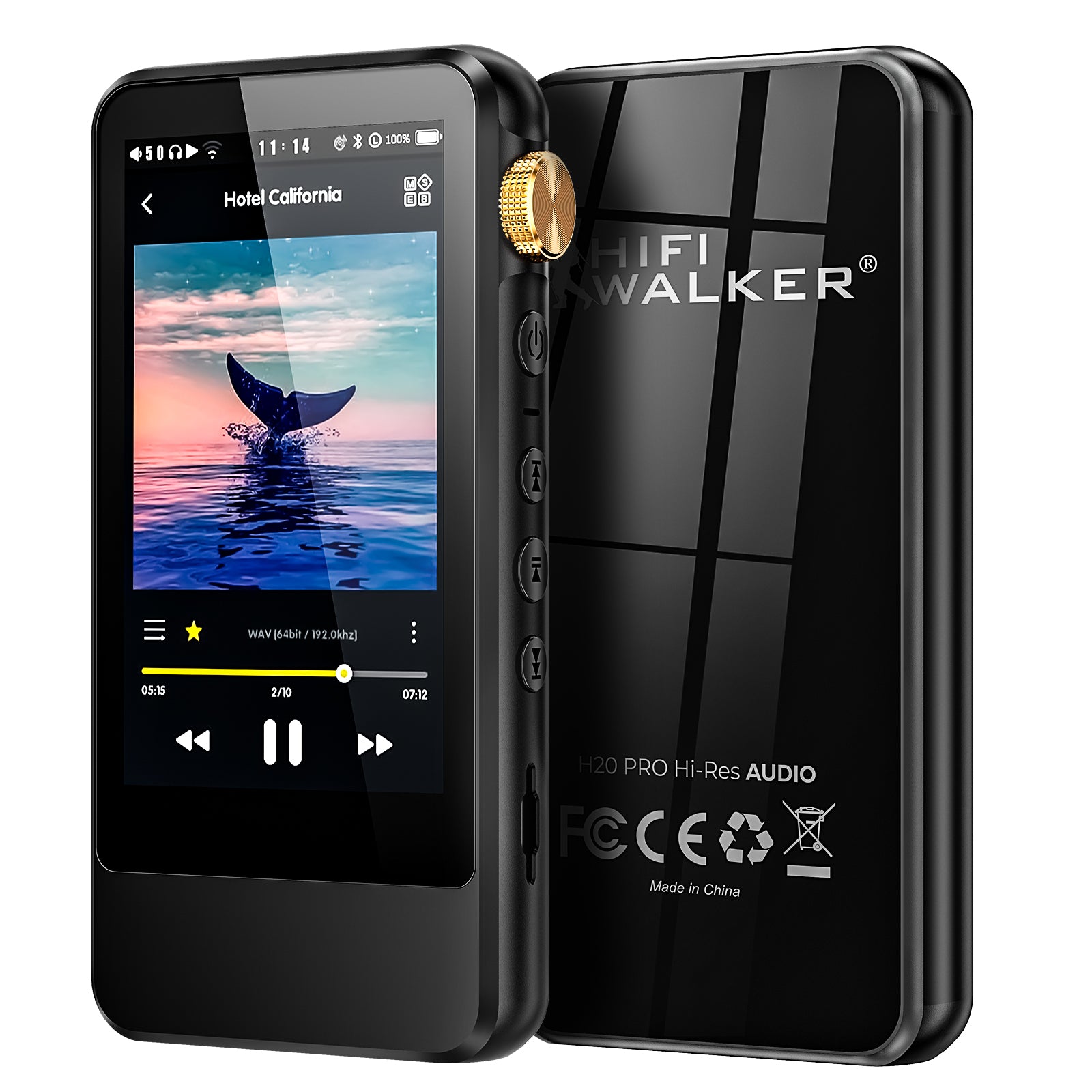
- The sweet spot for most users is a touchscreen player with balanced output, 32GB internal storage, and 512GB microSD card compatibility
Why Dedicated MP3 Music Players Beat Smartphones for Downloads
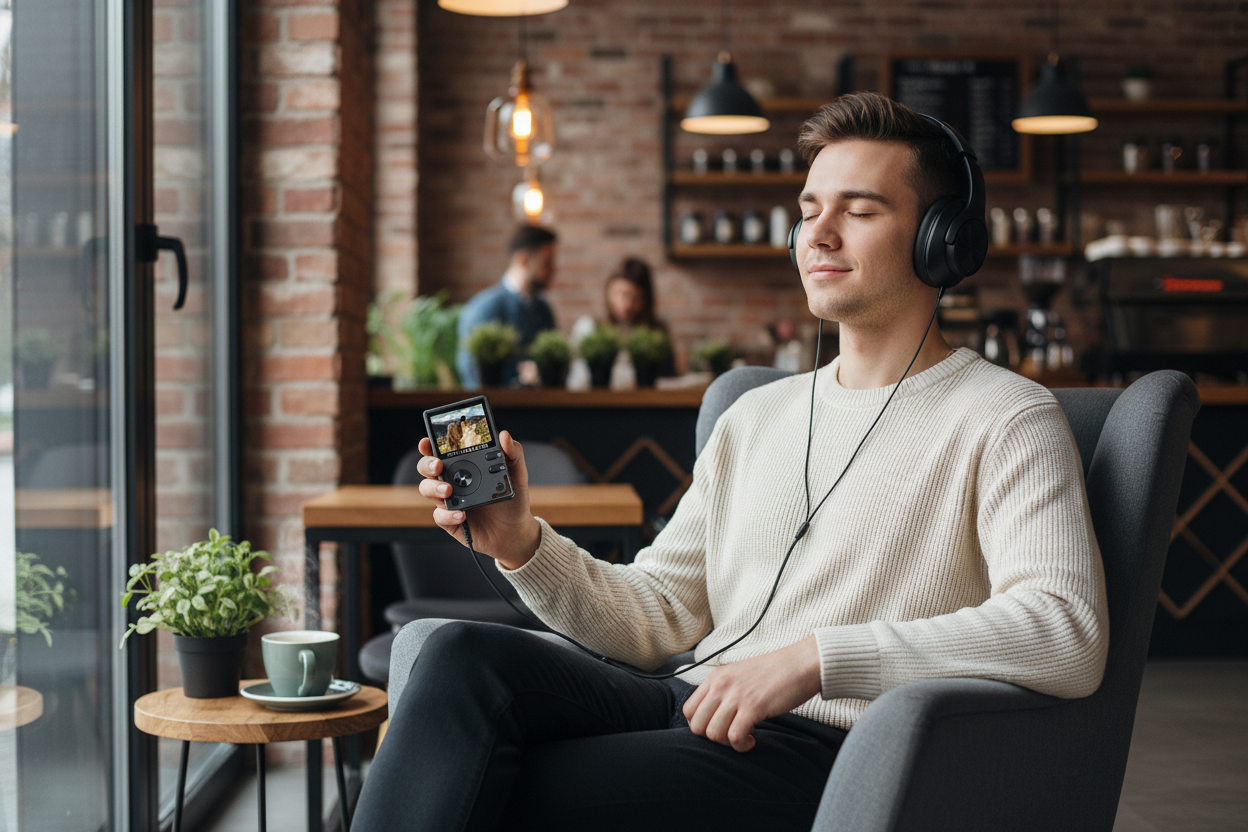
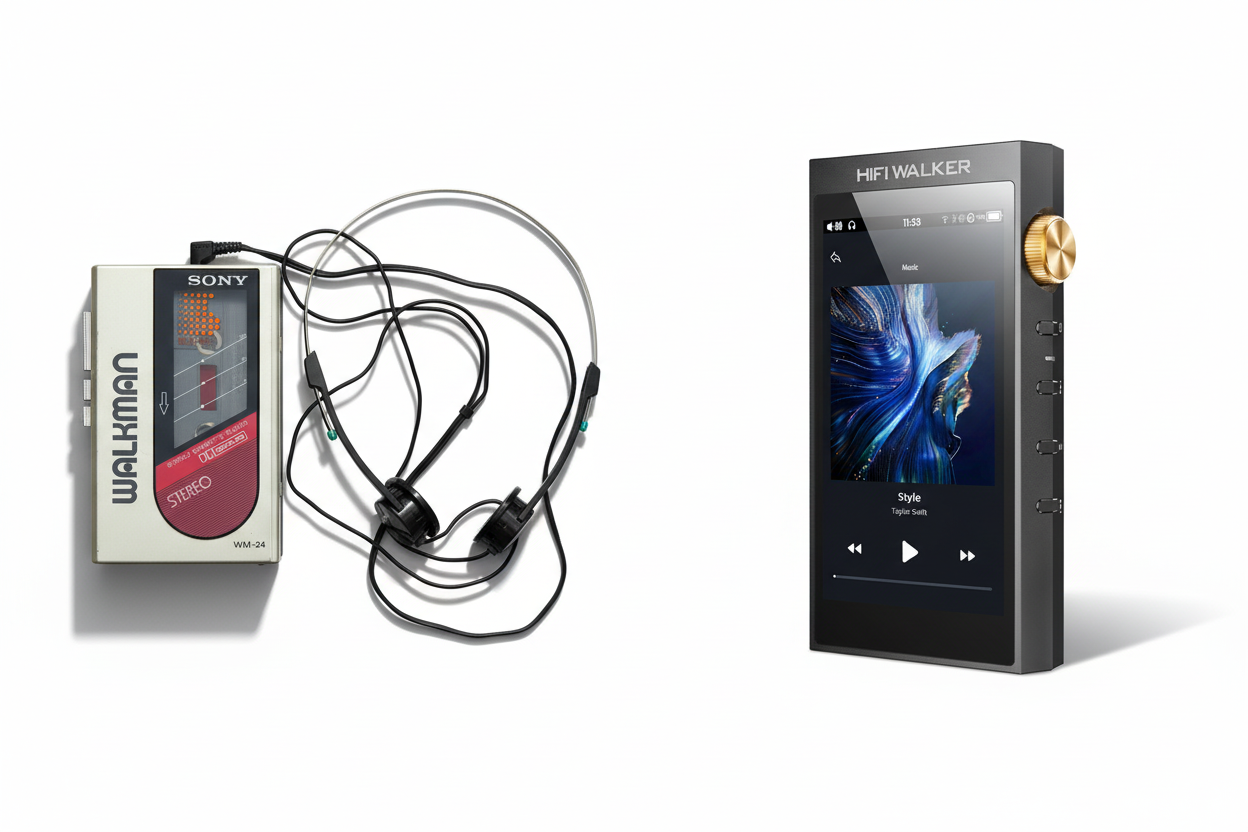
In our streaming-dominated world, the humble mp3 music player and downloader might seem outdated. But audiophiles and practical music lovers know better. Dedicated portable audio players offer superior sound quality, massive storage, and reliable offline access that smartphones simply can't match.
Smartphone Limitations
- Compressed streaming codecs reduce quality
- Limited storage for offline downloads
- Battery drain from multitasking apps
- Audio processing compromised by phone functions
Dedicated Player Advantages
- Lossless FLAC, DSD, and hi-res format support
- Expandable storage up to 2TB+
- 18+ hour battery life for pure music
- Dedicated DAC chips for audiophile sound

- ►1. Why Dedicated MP3 Music Players Beat Smartphones for Downloads
- ►2. Essential Features Every Music Player and Downloader Should Have
- ►3. Android vs Dedicated OS: Which Download Experience Wins?
- ►4. Storage Capacity Planning: How Much Space Do You Really Need?
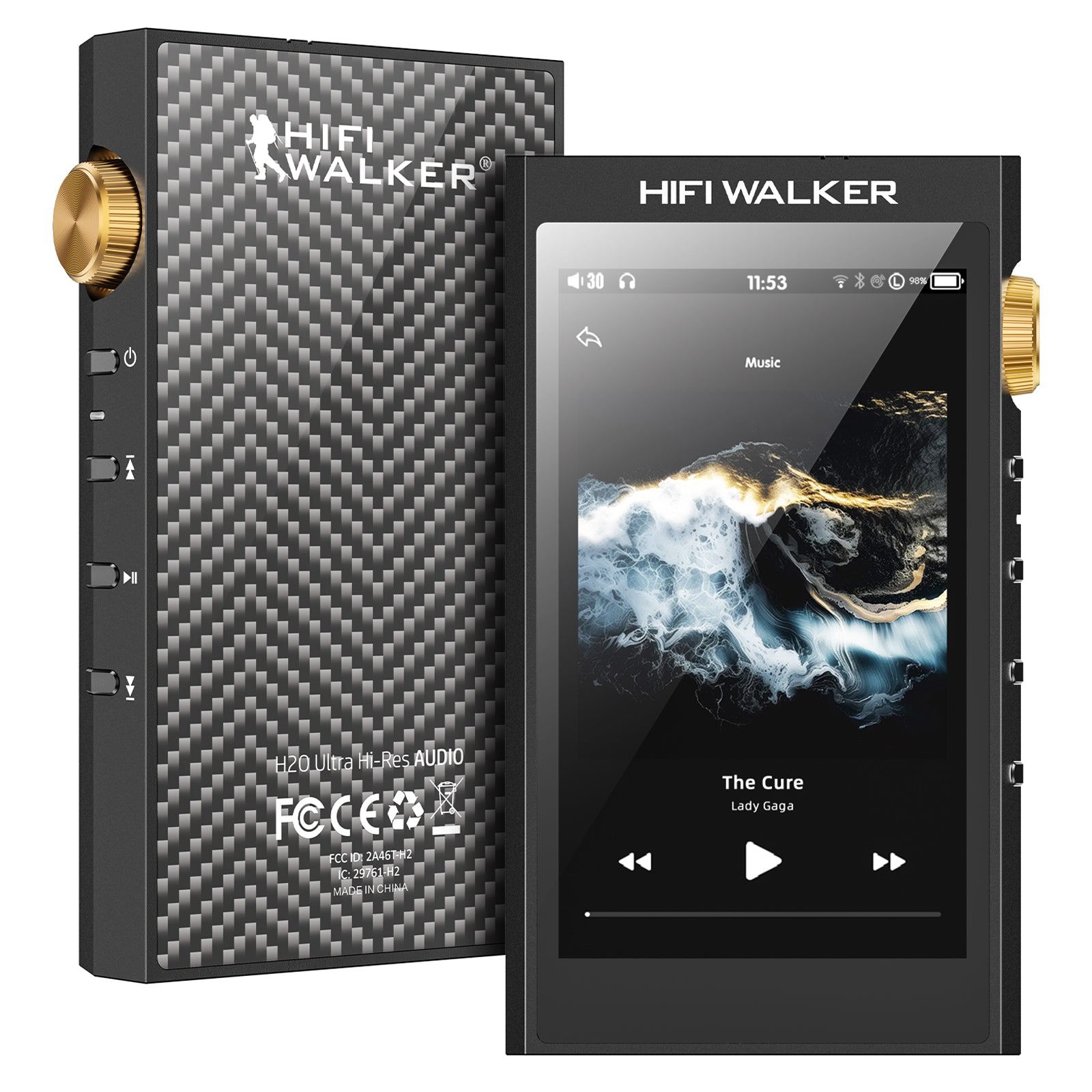
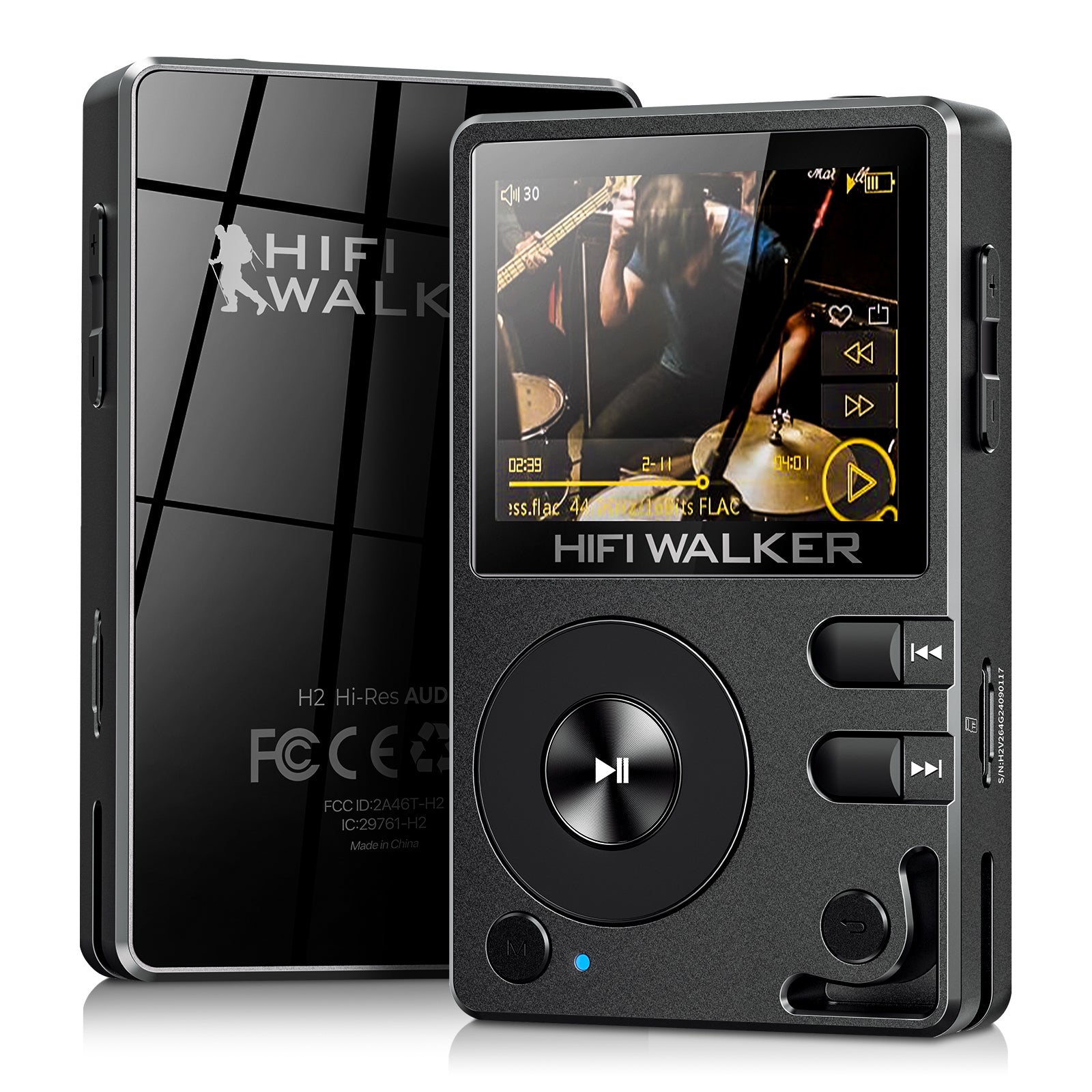
- ►5. Top MP3 Music Player and Downloader Devices Compared
- ►6. Download Methods: From Computer Transfer to Streaming Services
- ►7. Battery Life and Charging: Keeping the Music Playing
- ►8. Making Your Decision: Which Player Suits Your Needs?
Essential Features Every Music Player and Downloader Should Have
Not all portable music players are created equal. The best devices combine robust download capabilities with premium audio hardware and user-friendly interfaces.
Storage Flexibility
Look for devices with expandable microSD slots supporting 512GB-1TB cards. Internal storage should be at least 32GB for your core library.
Format Support
Essential: MP3, FLAC, WAV. Premium: DSD64/128, MQA unfolding, and 32-bit/384kHz PCM for future-proofing your collection.
Download Methods
USB-C for fast computer transfers, WiFi for streaming service downloads, and Bluetooth for wireless convenience.
Battery Endurance
Minimum 12 hours playback. Premium players offer 15-20+ hours for long flights and outdoor adventures.

Android vs Dedicated OS: Which Download Experience Wins?
The operating system fundamentally shapes how you'll download, organize, and enjoy your music. Each approach offers distinct advantages for different user types.

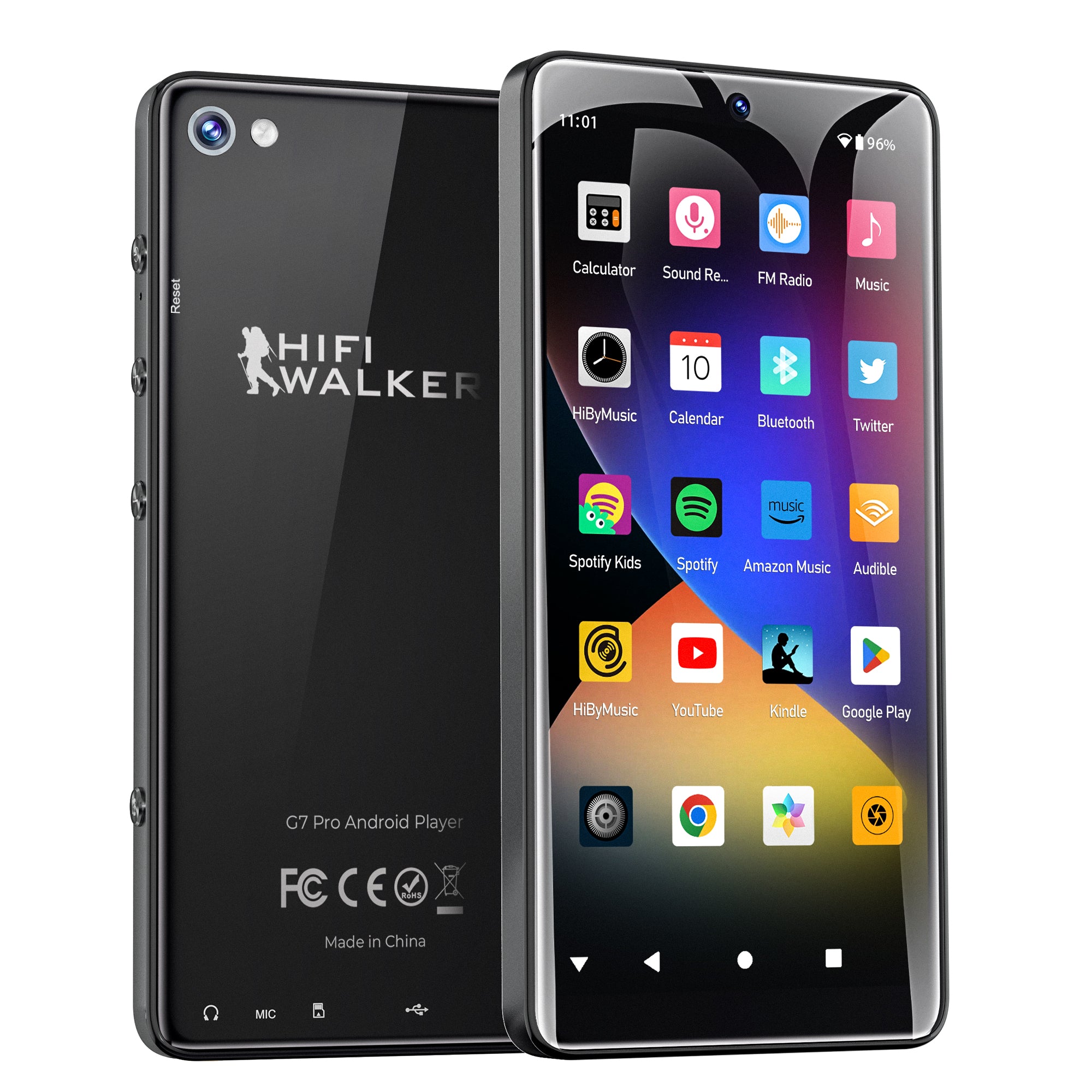
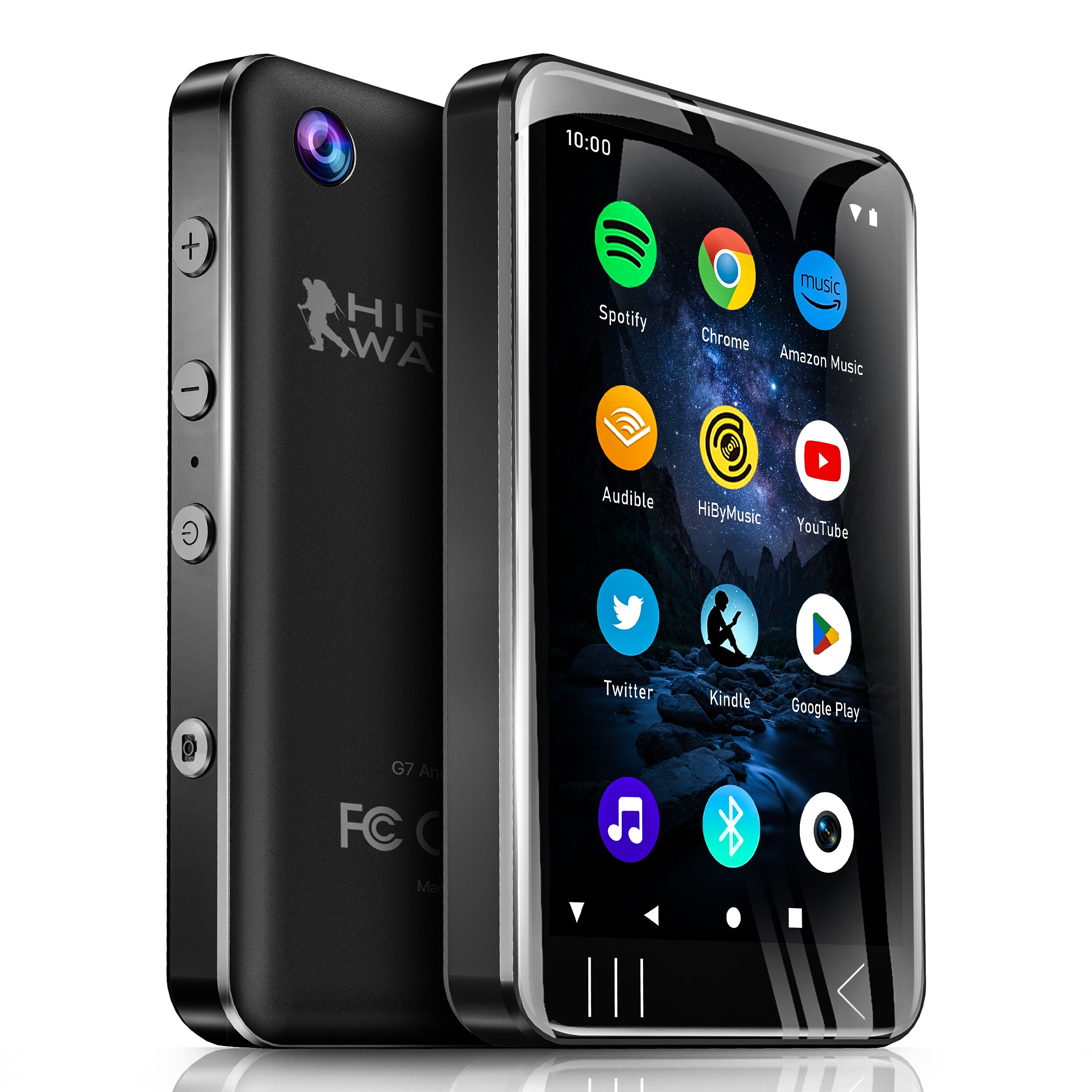
Android players excel for users who want streaming service integration and familiar interfaces. Dedicated OS devices prioritize audio quality and battery life over versatility. Check out our complete collection to explore both approaches.
Storage Capacity Planning: How Much Space Do You Really Need?
Calculating storage needs depends on your file formats, library size, and download habits. Here's how to plan effectively without overpaying for unused capacity.
Casual Listener (32-128GB)
- 500-1,000 MP3 songs (320kbps)
- Streaming service offline playlists
- Podcasts and audiobooks
- Perfect for commuting and gym
Serious Collector (256GB-1TB+)
- 1,000+ FLAC albums
- Hi-res 24-bit/96kHz downloads
- Complete discographies
- Backup of entire digital library

Pro tip: Start with a device supporting large microSD cards rather than maximum internal storage. You can always upgrade your memory card as your library grows, making it a more cost-effective long-term strategy.
Top MP3 Music Player and Downloader Devices Compared
After testing dozens of portable music players, these models stand out for their download capabilities, audio quality, and user experience. Each serves different needs and budgets.


Download Methods: From Computer Transfer to Streaming Services
Modern music players support multiple download methods. Understanding each approach helps you build and maintain your offline library efficiently.
USB Computer Transfer
Fastest for large libraries. Simply drag FLAC/MP3 files from your computer. Ideal for ripped CDs and purchased hi-res downloads.
Streaming Service Downloads
Android players support Spotify Premium, Tidal, and YouTube Music offline modes. Perfect for discovering new music legally.
WiFi Direct Transfer
Some premium models offer app-based wireless transfer. Convenient but slower than USB for bulk uploads.
Online Store Integration
Advanced players may support direct hi-res store purchases. Still rare but emerging in premium segments.
For the ultimate flexibility, choose a device supporting both computer transfer and streaming service integration. This gives you access to your personal collection plus legal streaming downloads in one device.
Battery Life and Charging: Keeping the Music Playing
Battery performance varies dramatically between music players. Understanding the factors affecting playback time helps set realistic expectations and choose the right device for your usage patterns.
Battery Killers
- Hi-res file playback (DSD/32-bit)
- WiFi and Bluetooth connectivity
- Bright touchscreen displays
- Background Android processes
Battery Savers
- Efficient MP3 playback
- Airplane mode operation
- OLED displays with dark themes
- Dedicated audio OS optimization

Real-world tip: Most manufacturers quote battery life using MP3 files at moderate volume. Expect 20-30% shorter life with FLAC files and premium headphones. USB-C charging has become standard, offering faster top-ups during short breaks.
Making Your Decision: Which Player Suits Your Needs?
Choosing the perfect mp3 music player and downloader depends on your listening habits, technical requirements, and budget. Here's how to match features with your actual needs.

Assess Your Library
Count your current digital music files and estimate growth. Factor in streaming service offline needs if relevant.
Consider Your Usage
Daily commuting needs differ from weekly gym sessions or monthly travel. Battery life and durability requirements vary accordingly.
Match Your Headphones
High-impedance audiophile headphones benefit from balanced outputs and powerful amplification. Earbuds work fine with basic players.
Plan Your Budget
Remember to budget for microSD storage and quality headphones. A $150 player with $50 storage and $100 headphones often outperforms a $300 player alone.
For most users, we recommend starting with a mid-range touchscreen model and premium microSD card. This provides room to grow while delivering immediate audio improvements over smartphone listening. Browse our detailed reviews for model-specific insights.

Frequently Asked Questions
Q1: Can I download music directly to my MP3 player without a computer?
Android-based players like the G7 Pro support direct downloads through streaming apps like Spotify Premium and Tidal. Dedicated OS players typically require computer transfer, though some premium models offer WiFi transfer apps.
Q2: How much storage space does a typical music collection need?
For MP3 files (320kbps), expect 3-5MB per song. FLAC files range 20-40MB per song. A 128GB card holds roughly 3,000 MP3s or 500 FLAC albums. Most users find 256-512GB provides ample room for growth.
Q3: Do music players sound better than smartphones for the same files?
Yes, dedicated players use superior DAC chips, cleaner power supplies, and audio-optimized circuits. The difference is most noticeable with quality headphones and lossless files, but even MP3s benefit from reduced interference and better amplification.
Q4: Can I use streaming services on dedicated music players?
Android players support most streaming apps including Spotify, Tidal, and YouTube Music. Dedicated OS players focus on local file playback and typically don't support streaming services, prioritizing audio quality over connectivity features.
Q5: What's the difference between balanced and single-ended headphone outputs?
Balanced outputs use separate positive and negative signals for each channel, reducing crosstalk and providing more power for demanding headphones. Single-ended outputs work fine for most earbuds and efficient headphones. Choose based on your headphone requirements.