

Expert Insights
- The 2000s MP3 player revival isn't just nostalgia—it's a reaction to the overwhelming complexity of modern smartphones and the desire for focused, intentional music experiences.
- Gen Z's fascination with 2000s MP3 players proves that good user experience design is timeless; the tactile controls and single-purpose focus remain appealing across generations.
- Modern dedicated audio players successfully merge 2000s simplicity with audiophile-grade technology, creating a new category that serves both nostalgic users and serious music enthusiasts.
The Nostalgic Wave: Why 2000s MP3 Players Matter Again
The mp3 player 2000s era defined an entire generation's relationship with music. From the iconic iPod click wheel to chunky Creative Zen players, these devices weren't just gadgets—they were cultural statements that put our entire music libraries in our pockets for the first time.
2000s MP3 Player Culture
- Physical music ownership
- Curated playlists as art
- Device as fashion statement
- Uninterrupted listening experience
2026 Revival Drivers
- Smartphone listening fatigue
- Desire for focused experiences
- Nostalgic millennial purchasing power
- Gen Z analog appreciation

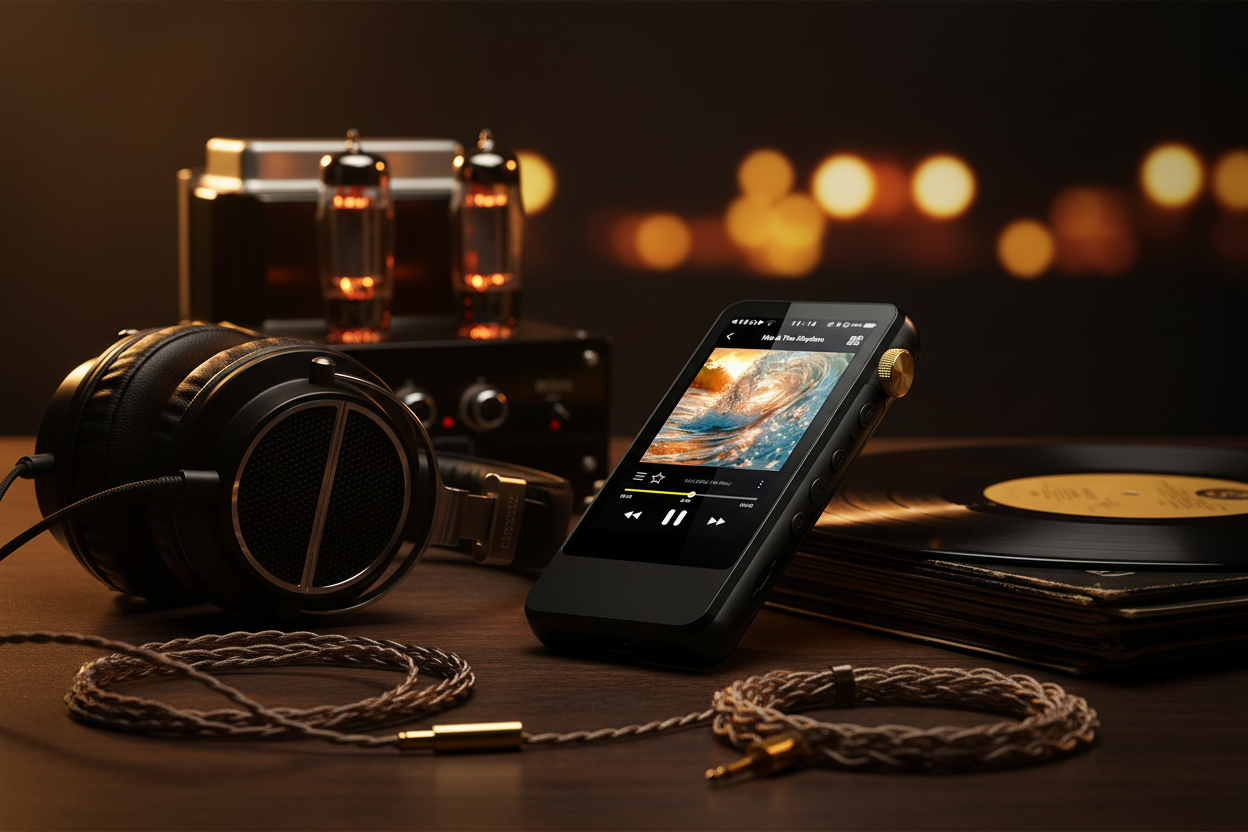
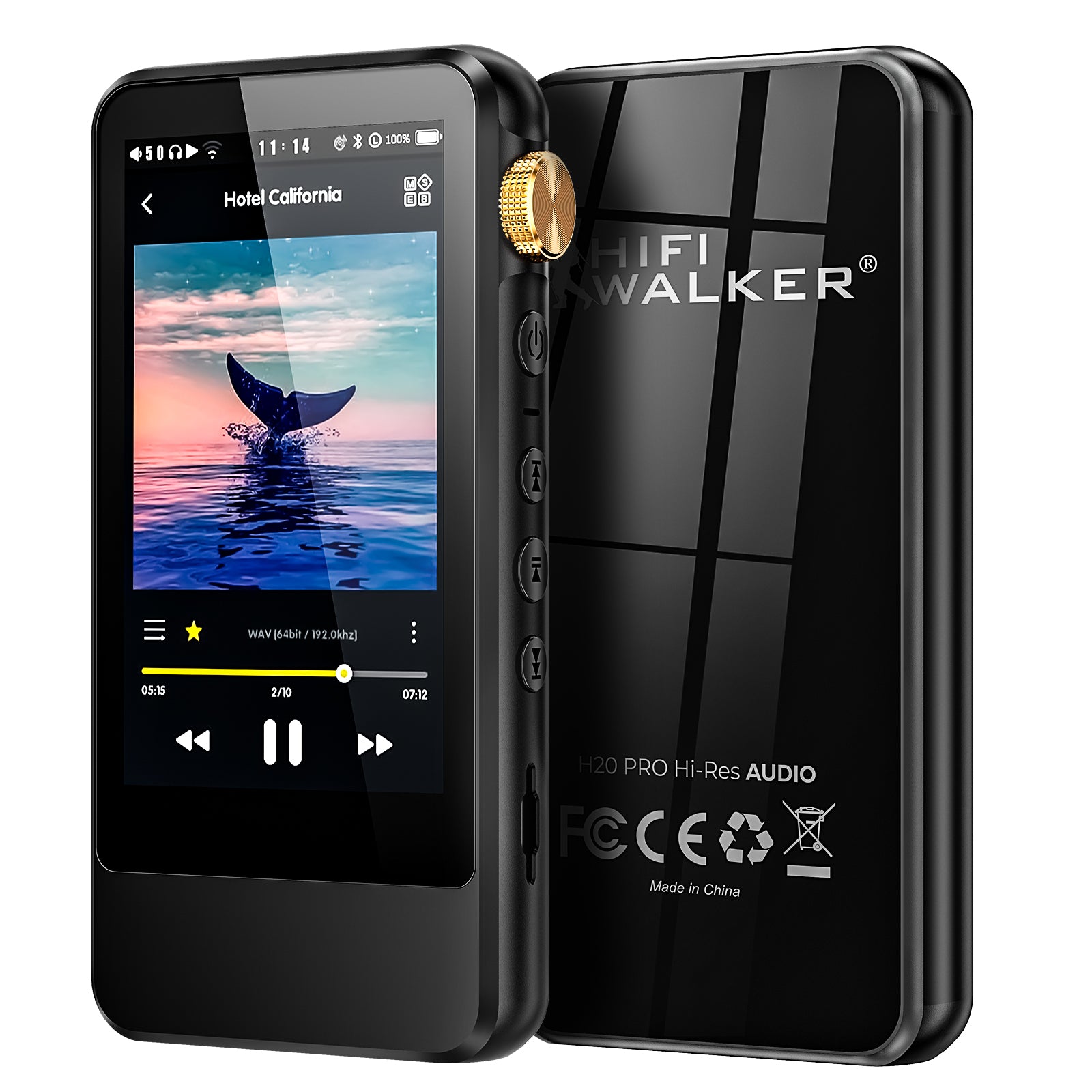
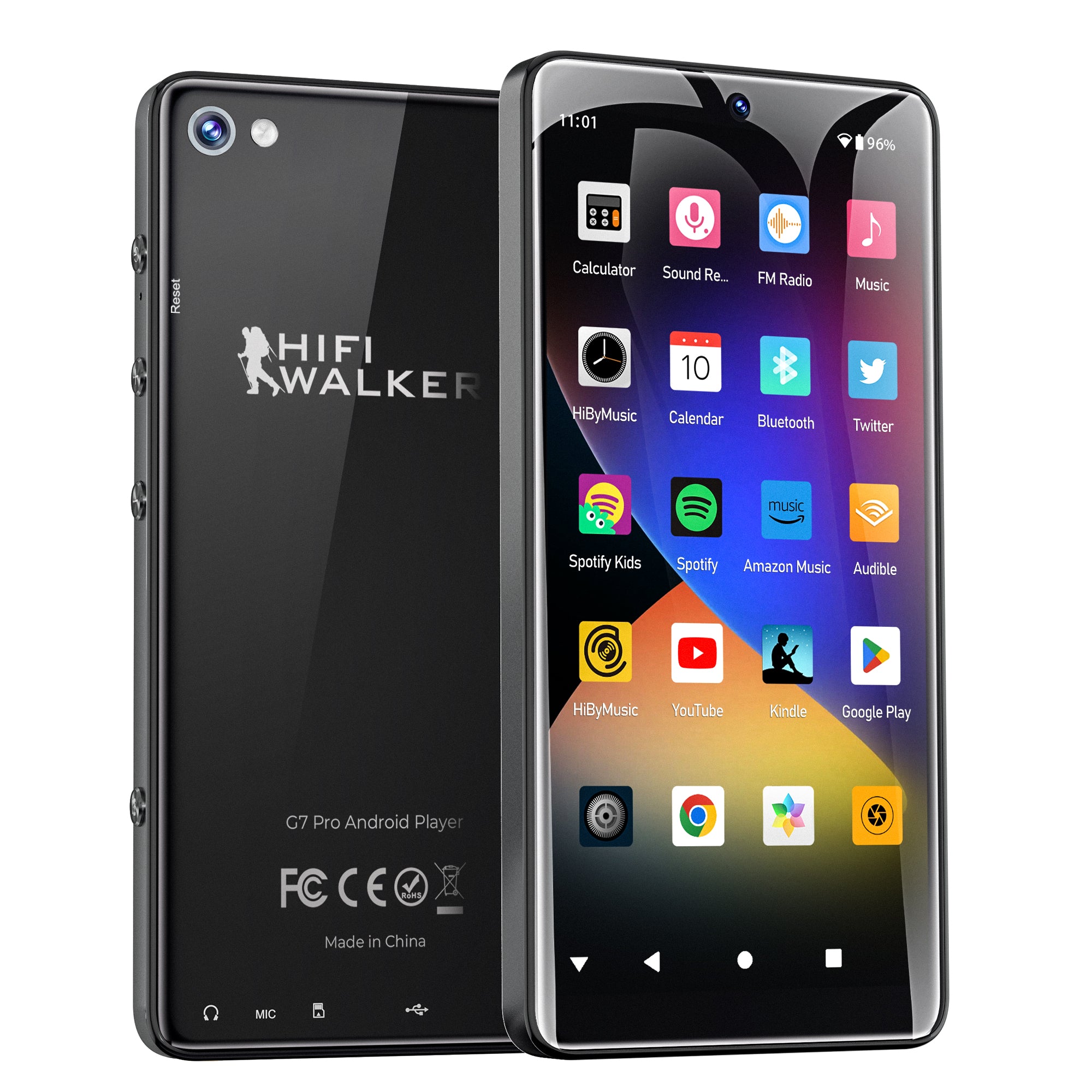
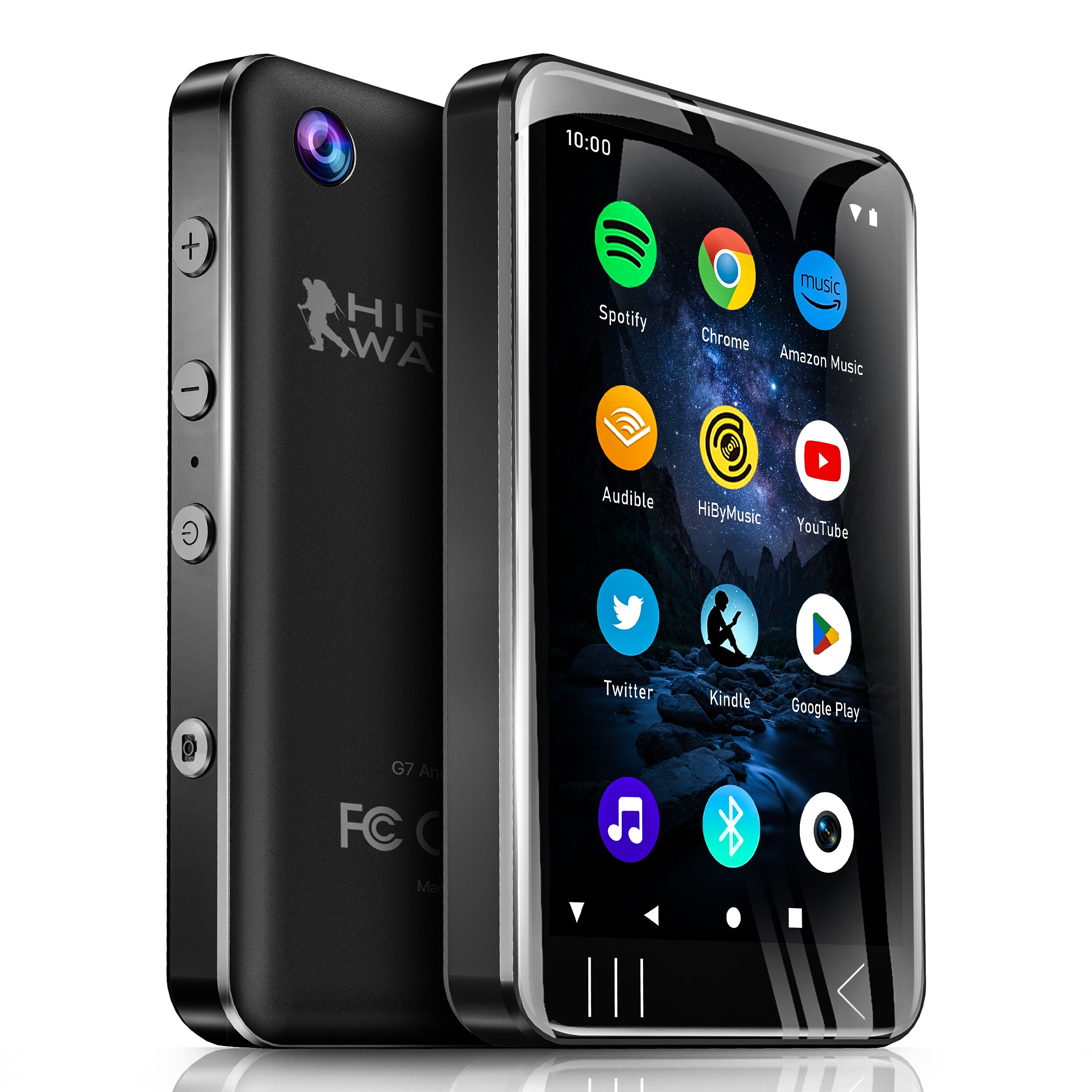
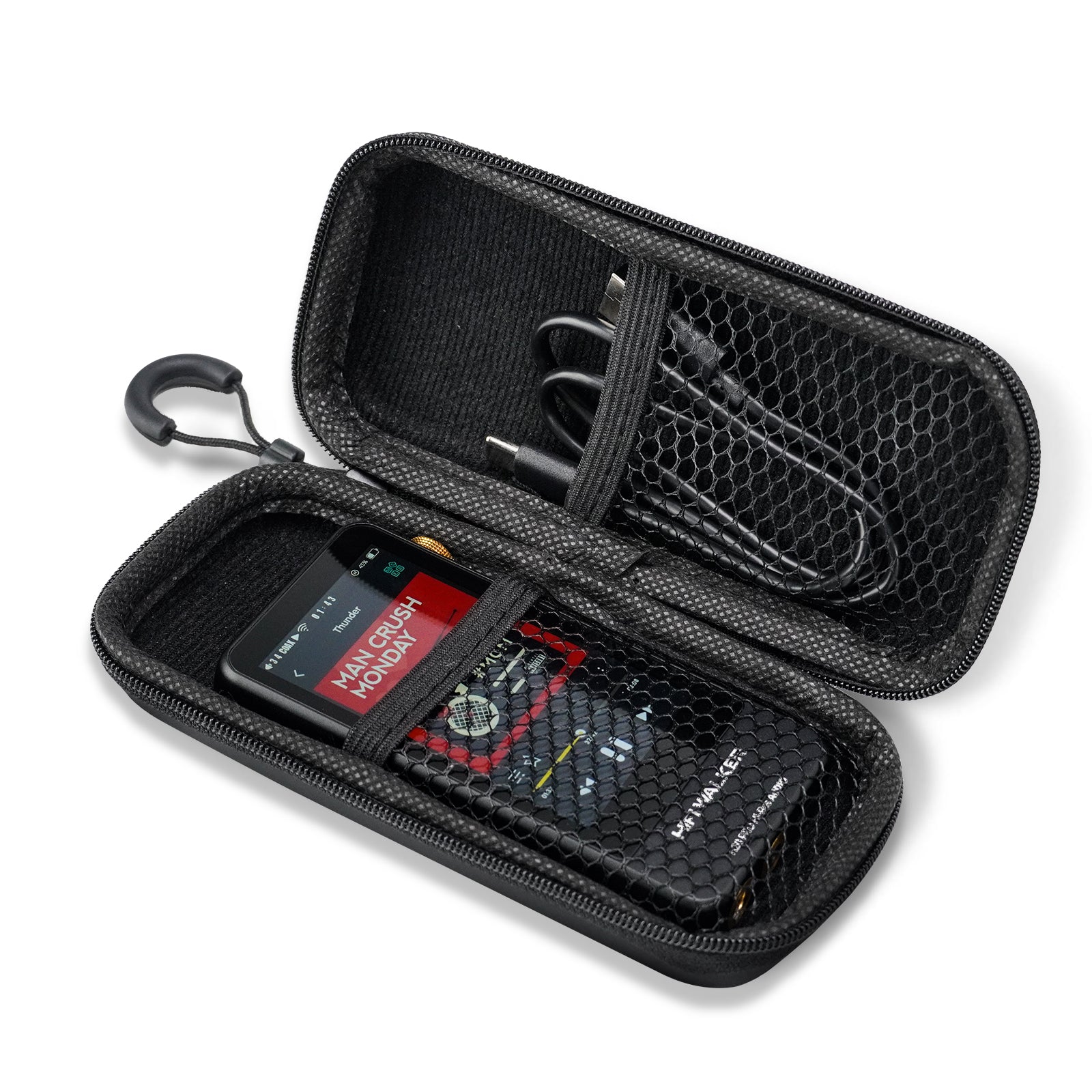
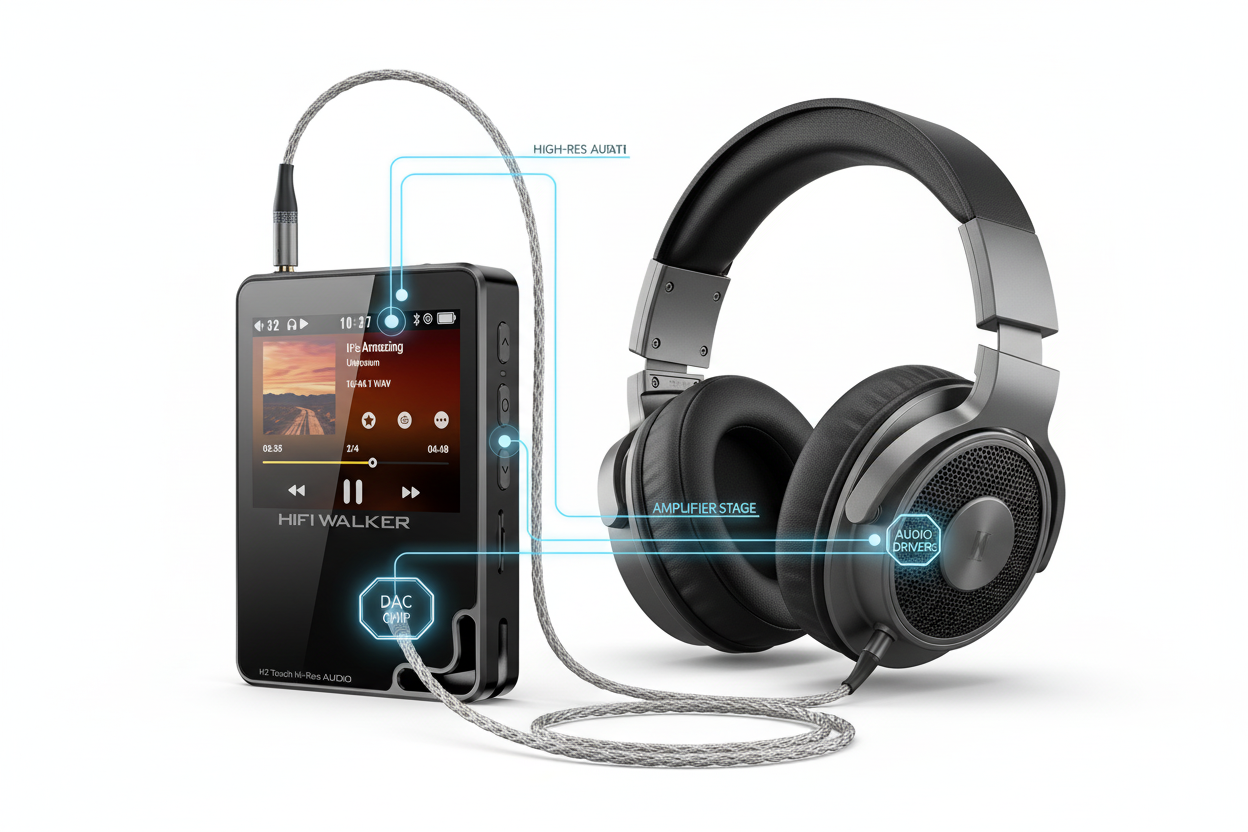
In 2026, we're witnessing something remarkable: the convergence of 2000s nostalgia with cutting-edge audio technology. Modern dedicated audio players like those from HIFI WALKER capture that focused music experience while delivering audiophile-grade sound quality our 2000s selves could only dream of.
- ►1. The Nostalgic Wave: Why 2000s MP3 Players Matter Again
- ►2. The Smartphone Fatigue Phenomenon
- ►3. Gen Z Discovers What They Missed
- ►4. Technical Evolution: From 128kbps to Hi-Res
- ►5. The Audiophile Gateway Effect
- ►6. Cultural Impact: Music as Physical Experience
- ►7. Market Response: Modern Players Embrace Retro Design
- ►8. Future Predictions: The Dedicated Device Renaissance
The Smartphone Fatigue Phenomenon
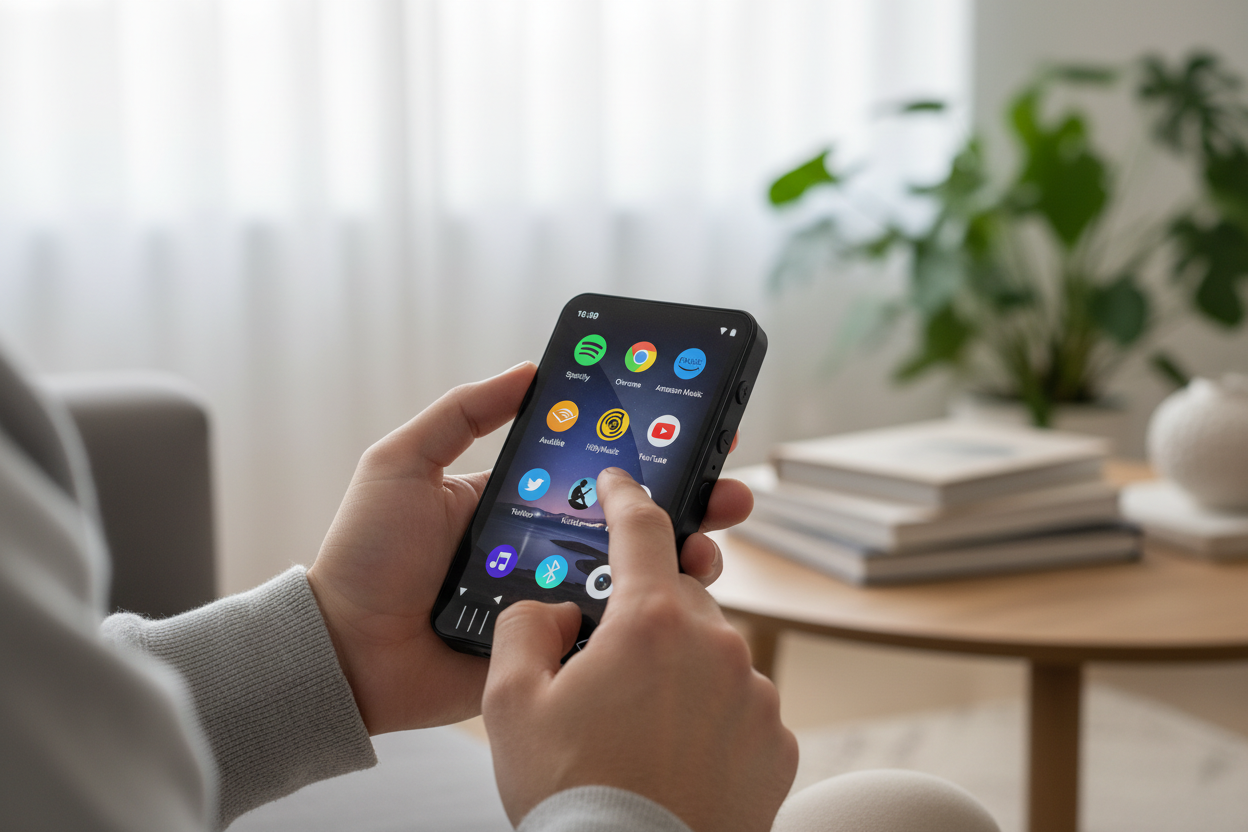
After 15 years of smartphone dominance, music lovers are rediscovering what we lost when everything became "just an app." The mp3 player 2000s experience offered something smartphones can't: pure, distraction-free music consumption.
Digital Overwhelm Recognition
Users realize smartphones fragment their music experience with notifications, social media, and multitasking demands.
Audio Quality Awakening
Compressed streaming and smartphone DACs can't match dedicated audio hardware's dynamic range and clarity.
Battery Life Liberation
Dedicated players offer 15-20 hour playback without draining your communication lifeline.
Intentional Listening Return
Physical devices encourage mindful music consumption, like reading physical books versus scrolling.
This shift mirrors broader digital wellness trends. Just as people rediscovered film cameras and vinyl records, the 2000s mp3 player aesthetic represents a return to purposeful, single-function devices that do one thing exceptionally well.
Gen Z Discovers What They Missed
Generation Z, who grew up with smartphones, are experiencing mp3 player 2000s culture for the first time—and they're fascinated. TikTok videos showcasing vintage iPods regularly go viral, with young creators marveling at the "revolutionary" concept of dedicated music devices.

What Gen Z Loves
- Physical music control tactility
- Uninterrupted album experiences
- Retro aesthetic appeal
- Digital detox capability
Modern Improvements
- Hi-res audio support
- Bluetooth and wired options
- Touch and physical controls
- Massive storage capacity
The irony isn't lost on millennials: the generation that invented "digital native" is teaching Gen Z about the beauty of single-purpose devices. This cross-generational appreciation is driving demand for both vintage players and modern interpretations that capture the 2000s mp3 player spirit.
Technical Evolution: From 128kbps to Hi-Res
The mp3 player 2000s era was defined by compression compromises—cramming entire CD collections into 20GB of storage meant accepting 128kbps MP3 files. Today's revival isn't just nostalgic; it's evolutionary.

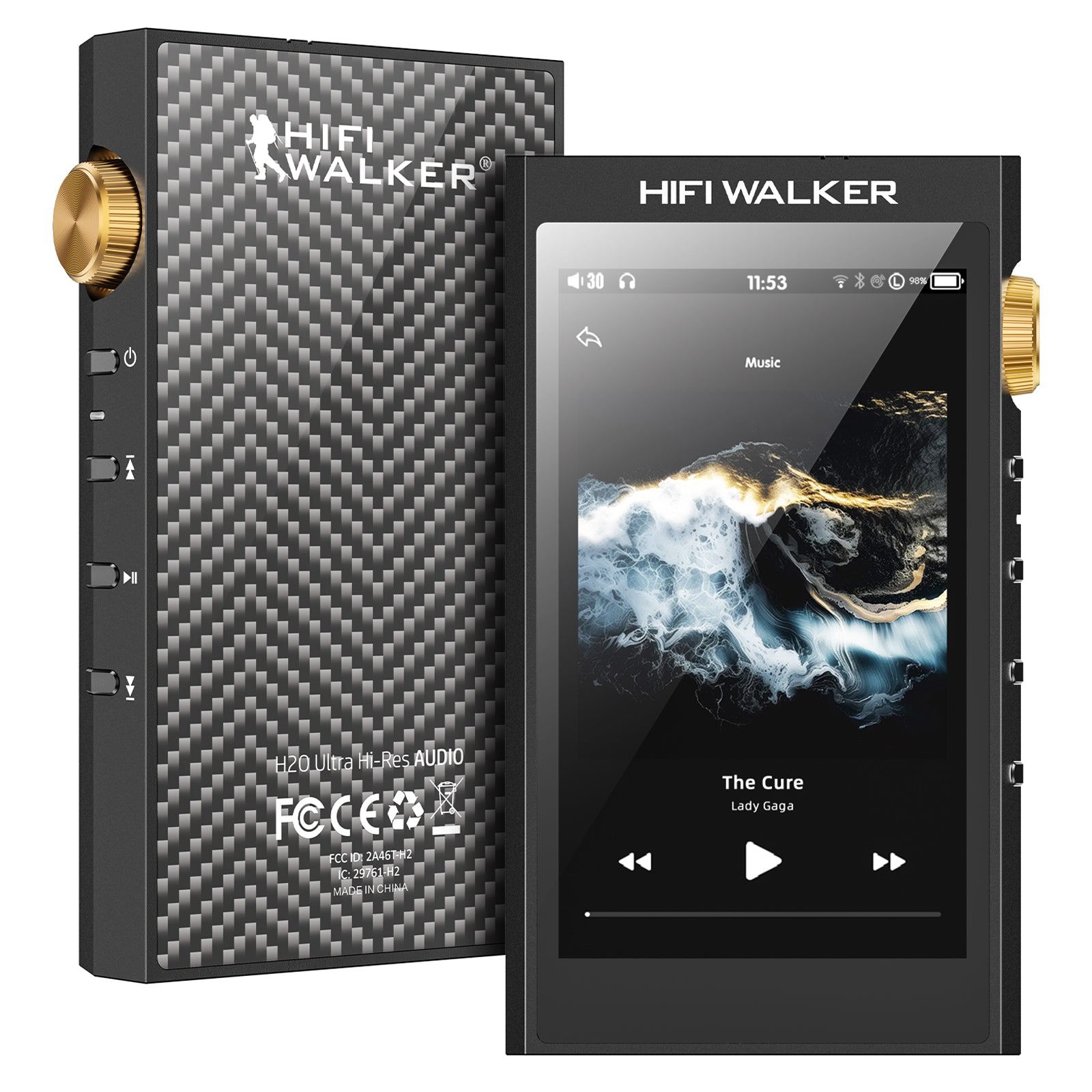
The evolution is staggering. Where 2000s players struggled with lossless formats, modern devices like the H20 Ultra handle DSD files that would have required server-grade hardware two decades ago. Yet they maintain that essential mp3 player 2000s philosophy: music first, everything else secondary.
The Audiophile Gateway Effect
The 2000s mp3 player revival is creating unexpected audiophiles. Users who start with nostalgic intentions quickly discover the dramatic difference between smartphone audio and dedicated DAP performance.

Nostalgia Entry Point
Users seek 2000s experience, initially focused on form factor and simplicity over audio quality.
Sound Quality Revelation
First experience with dedicated DAC chips and amplification reveals what they've been missing.
Format Exploration
Discovery of FLAC, DSD, and high-resolution formats previously dismissed as 'audiophile nonsense.'
Ecosystem Investment
Gradual upgrade to better headphones, exploring different sonic signatures and music genres.

This pathway from nostalgia to audiophile appreciation is reshaping the portable audio market. Manufacturers are designing players that honor mp3 player 2000s simplicity while delivering reference-quality sound that satisfies demanding listeners.
↑ Back to Top
Back to Top ↑Cultural Impact: Music as Physical Experience
The mp3 player 2000s comeback represents more than technology—it's a cultural statement about how we want to experience music. These devices restore the physicality and intentionality that streaming algorithms have eroded.
Streaming Era Problems
- Algorithm-driven discovery
- Endless choice paralysis
- Interrupted experiences
- Music as background noise
Dedicated Player Benefits
- Curated personal libraries
- Intentional album listening
- Distraction-free focus
- Music as primary activity

The ritual of loading music onto a device, selecting an album, and listening without interruption mirrors the vinyl revival's appeal. It's about reclaiming music as an active, rather than passive, experience—something the 2000s mp3 player generation understood instinctively.
This cultural shift is evident in communities like dedicated audio forums where users share carefully curated playlists and discuss the meditative aspects of focused listening sessions.
Market Response: Modern Players Embrace Retro Design
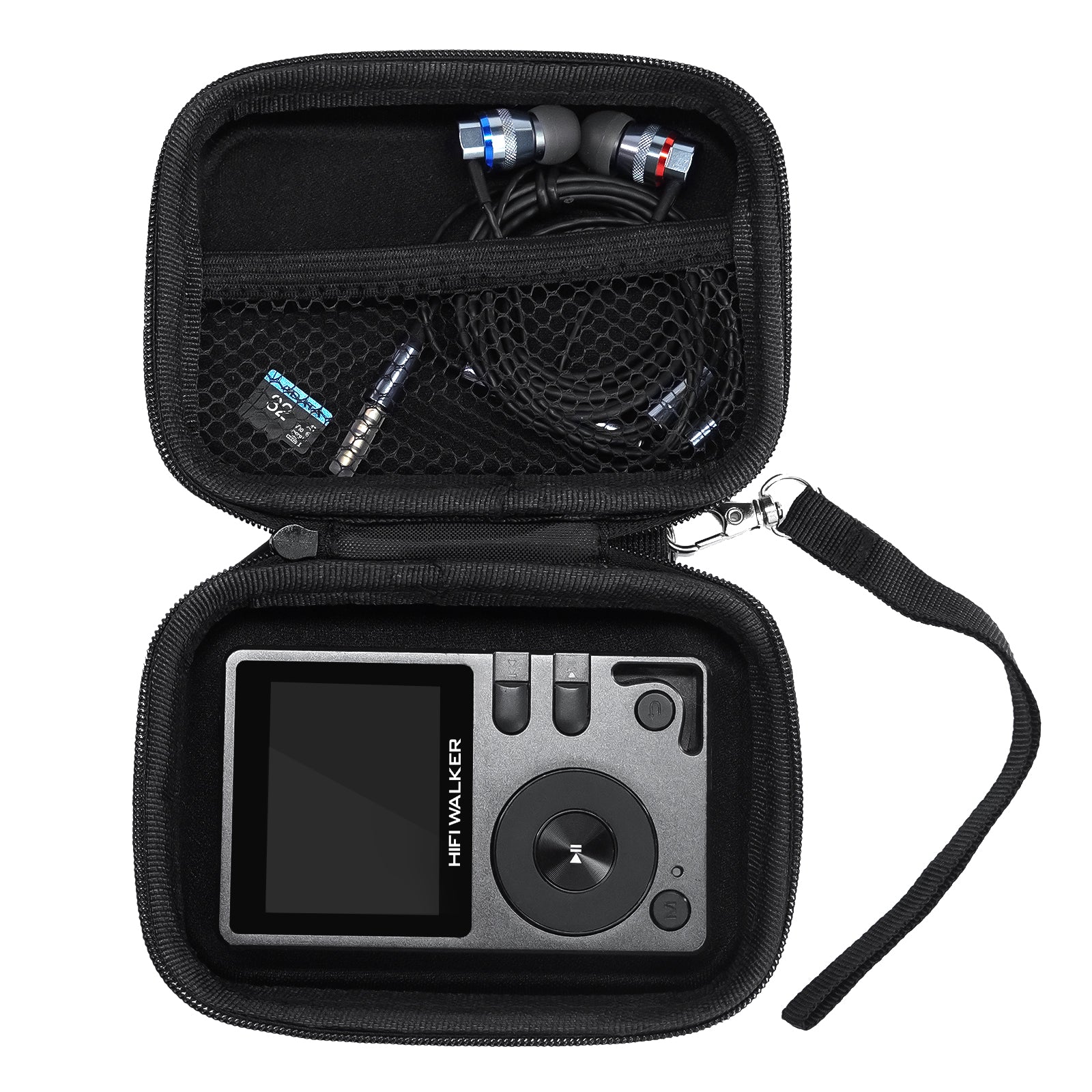
Manufacturers have noticed the mp3 player 2000s revival and are responding with designs that blend nostalgic aesthetics with modern capabilities. The result is a new category of "neo-retro" audio players.
The key insight: users want 2000s mp3 player simplicity and focus, but with 2026 build quality and audio performance. It's not about recreating the past exactly, but capturing its essence while fixing its limitations.
Future Predictions: The Dedicated Device Renaissance
The mp3 player 2000s comeback signals a broader shift toward specialized devices. As smartphones become increasingly complex and distracting, consumers are rediscovering the value of tools designed for specific purposes.
Market Expansion (2026-2027)
More manufacturers enter the dedicated audio space, driving innovation and competitive pricing.
Feature Integration (2027-2028)
Smart features like voice control and wireless sync, but maintaining core simplicity principles.
Ecosystem Development (2028-2030)
Enhanced integration with music services while preserving offline-first philosophy.
Cultural Normalization (2030+)
Dedicated music players become as common as smartwatches, accepted as essential tools.

The lesson from the 2000s mp3 player era wasn't that convergence devices are bad—it's that some experiences are too important to be just another app. Music deserves hardware designed specifically for it, and 2026 marks the beginning of that realization becoming mainstream again.
Frequently Asked Questions
Q1: Why are 2000s MP3 players popular again in 2026?
The comeback is driven by smartphone fatigue, nostalgia from millennials, Gen Z discovering dedicated music devices, and the desire for distraction-free music experiences. Modern DAPs offer the simplicity of 2000s players with vastly superior audio quality.
Q2: How do modern DAPs compare to original 2000s MP3 players?
Modern dedicated audio players offer dramatically better sound quality (supporting hi-res formats like DSD and 32-bit/384kHz files), longer battery life (15-25 hours), massive storage capacity, and premium build quality while maintaining the focused, single-purpose philosophy of 2000s devices.
Q3: Are dedicated music players worth it over smartphone streaming?
For serious music listeners, yes. Dedicated players offer superior DAC chips, dedicated amplification, longer battery life without draining your phone, distraction-free listening, and support for high-resolution audio formats that reveal details lost in compressed streaming.
Q4: What should I look for in a modern MP3 player that captures 2000s nostalgia?
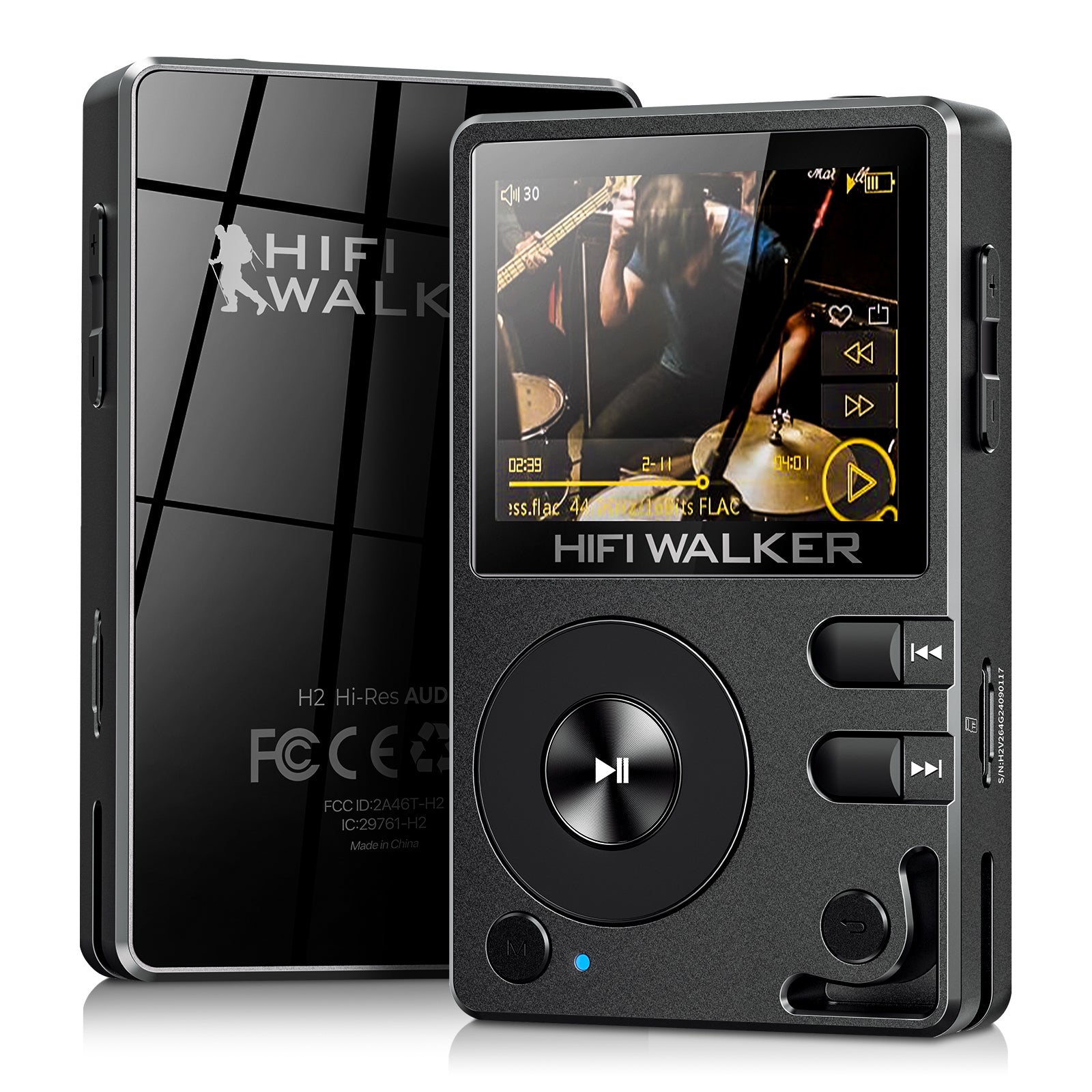
Look for devices with physical controls (not just touchscreen), simple user interfaces, long battery life, support for multiple audio formats, solid build quality, and the ability to work offline. Modern options like the HIFI WALKER H20 Ultra or H2 Touch blend retro simplicity with contemporary audio performance.
Q5: Will the MP3 player revival continue beyond 2026?
Market trends suggest yes. The revival reflects broader digital wellness movements and the proven value of single-purpose devices. As more manufacturers enter the space and prices become more accessible, dedicated music players are likely to become mainstream again, similar to how vinyl records found new life.