

Expert Insights
- The resurgence of dedicated music players reflects growing appreciation for uncompromised audio quality among serious listeners
- Battery technology improvements have made modern players significantly more practical than smartphone alternatives for extended listening
- Format diversity support ensures future-proofing as high-resolution audio continues gaining mainstream adoption
The Evolution of Walkman Portable Music Players
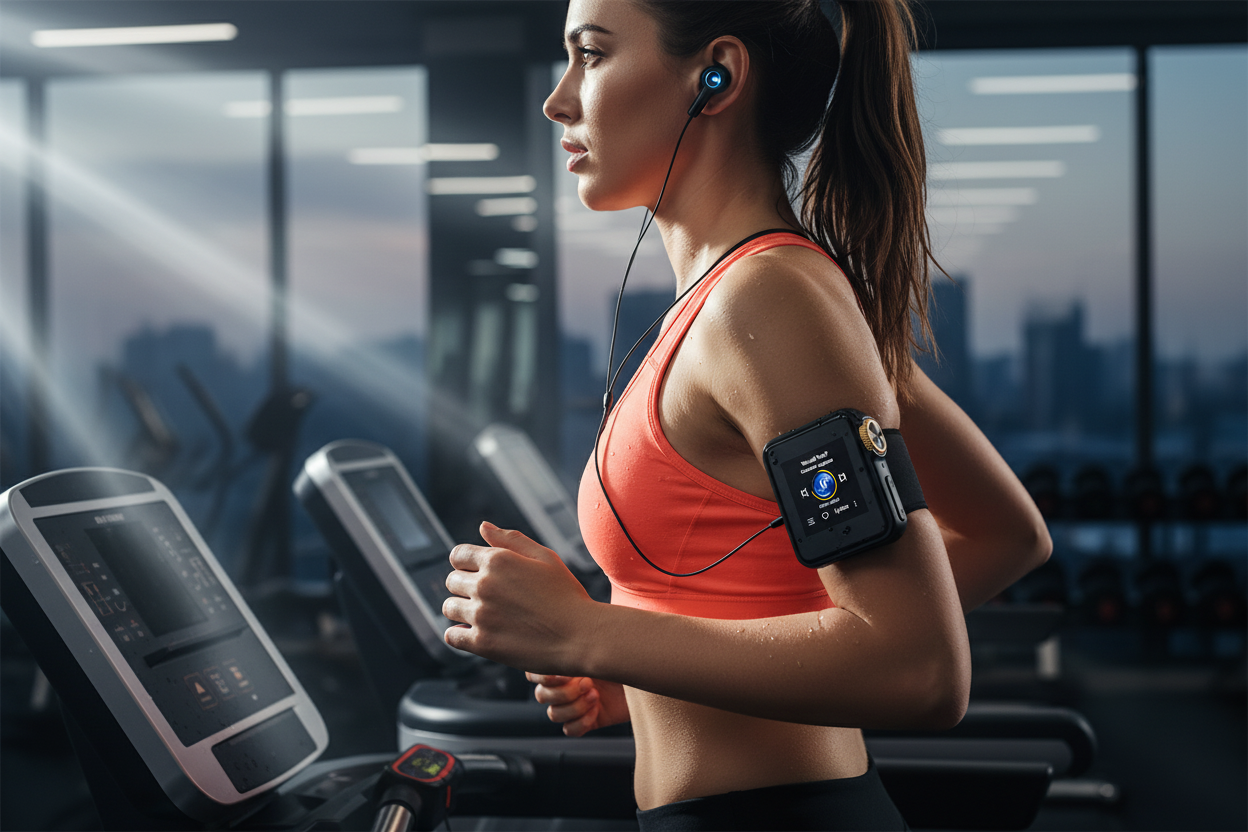
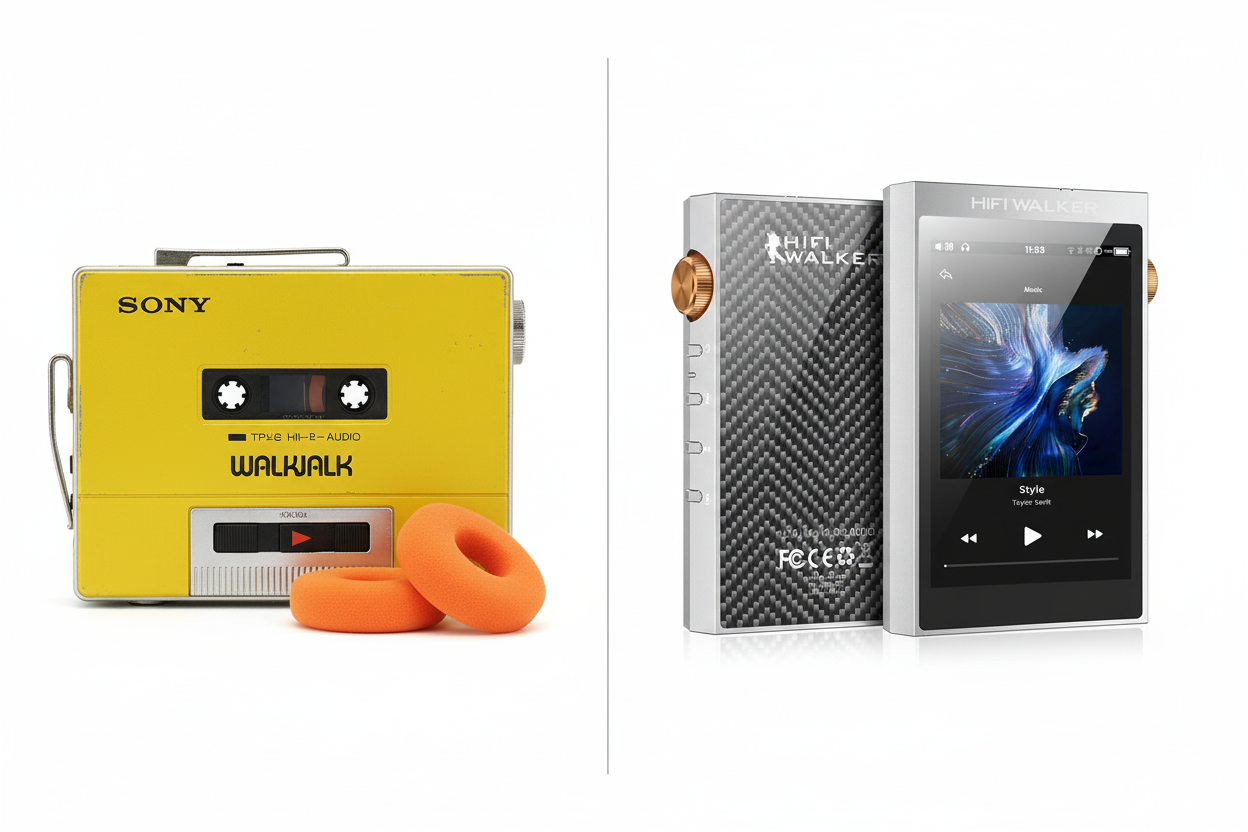
The walkman portable music player revolutionized how we consume music, transforming from Sony's iconic cassette players to today's sophisticated hi-res audio devices. While the original Walkman defined portable music in the 1980s, modern players like HIFI WALKER's hi-res audio collection represent the pinnacle of portable sound technology.
Classic Walkman Era
- Analog cassette tape playback
- Simple mechanical controls
- Basic stereo output
- 6-8 hour battery life
Modern Hi-Res Players
- Lossless digital formats (FLAC, DSD)
- Touchscreen interfaces
- Balanced XLR outputs
- 15+ hour battery life

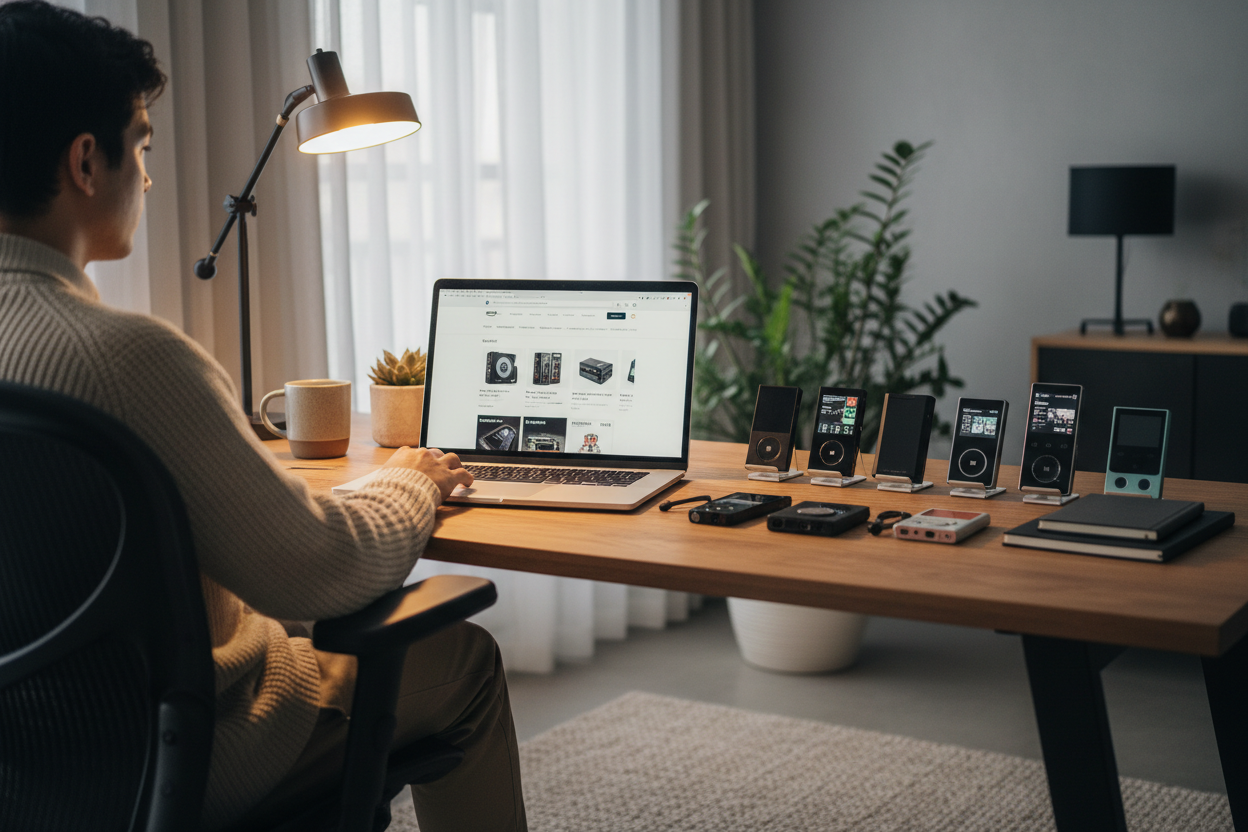
Today's walkman portable music player market spans from budget Android-based units to audiophile-grade devices costing thousands. Understanding these categories helps identify the perfect balance between features, sound quality, and value for your listening preferences.
- ►1. The Evolution of Walkman Portable Music Players
- ►2. Sound Quality: Analog vs Digital Audio Comparison
- ►3. Battery Life and Portability Analysis
- ►4. Format Support and Storage Options
- ►5. User Interface and Control Systems
- ►6. Price vs Performance: Finding Your Sweet Spot
- ►7. Best Walkman Portable Music Players for 2026
- ►8. Future of Portable Music Technology
Sound Quality: Analog vs Digital Audio Comparison
The fundamental difference between classic and modern walkman portable music players lies in their audio processing approach. While vintage units relied on analog tape reproduction, contemporary devices leverage advanced DAC chips and amplification circuits.

The H20 Ultra Hi-Res Audio Player exemplifies modern walkman technology, featuring dual ESS DAC chips that deliver signal-to-noise ratios exceeding 120dB. This technical superiority translates to cleaner backgrounds, enhanced detail retrieval, and superior dynamic range compared to both vintage units and smartphones.
Battery Life and Portability Analysis
Battery performance remains crucial for any walkman portable music player. Modern lithium-ion technology has dramatically improved playback duration while maintaining compact form factors.
Battery Capacity Assessment
Modern players typically offer 2000-3000mAh batteries, providing 15-25 hours of continuous playback depending on file formats and output levels.
Power Management Features
Advanced sleep modes, display auto-dimming, and efficient DAC designs extend battery life significantly beyond smartphone performance.
Charging Infrastructure
USB-C fast charging enables full battery restoration in 2-3 hours, with many units supporting playback during charging.


Format Support and Storage Options
Unlike classic walkman portable music players limited to analog tape, modern devices support extensive digital format libraries including lossless and high-resolution audio files.
Supported Formats
- FLAC (up to 32-bit/768kHz)
- DSD (up to DSD256)
- MQA unfolding capability
- PCM formats (WAV, AIFF)
- Compressed (MP3, AAC, OGG)
Storage Solutions
- Internal storage (32GB-1TB)
- MicroSD expansion (up to 2TB)
- Dual card slot configurations
- USB-OTG external drive support
- Cloud streaming integration
Storage expandability sets modern players apart from both vintage units and smartphones. Many audiophile-focused devices feature dual microSD slots, enabling terabytes of lossless music storage without compromising on file quality.

User Interface and Control Systems
The transition from mechanical buttons to touchscreen interfaces represents a significant evolution in walkman portable music player design. Modern units balance intuitive navigation with physical controls for essential functions.

The H2 Touch Hi-Res Audio Player demonstrates optimal interface design, combining responsive touchscreen navigation with physical playback controls. This hybrid approach ensures reliable operation in various conditions while maintaining modern usability standards.
↑ Back to Top
Back to Top ↑Price vs Performance: Finding Your Sweet Spot
The walkman portable music player market spans from under $100 to several thousand dollars. Understanding price-to-performance ratios helps identify optimal value points for different user requirements.
Entry Level ($75-150)
Android-based players offering solid performance for casual listeners. Limited audiophile features but excellent value for standard music consumption.
Mid-Range ($150-300)
Dedicated audio processing with quality DAC chips. Balanced outputs and extensive format support appeal to serious music enthusiasts.
High-End ($300+)
Reference-quality components, premium build materials, and advanced features targeting audiophile and professional applications.
Budget Considerations
- Initial device cost
- Storage expansion expenses
- Premium headphone requirements
- Accessory ecosystem
Long-term Value
- Build quality and durability
- Software update support
- Resale value retention
- Upgrade path options

Best Walkman Portable Music Players for 2026
After extensive testing and market analysis, these walkman portable music players represent the best value propositions across different price segments and use cases.


For comprehensive reviews and detailed comparisons, explore our complete DAP review collection, where we analyze technical specifications, listening impressions, and real-world performance across our entire product range.
Future of Portable Music Technology
The walkman portable music player continues evolving with emerging technologies including improved battery chemistry, advanced DSP processing, and enhanced connectivity options.
Emerging Technologies
- Gallium nitride charging
- Neural audio processing
- Advanced Bluetooth codecs
- Modular component design
Market Trends
- Sustainability focus
- Customization options
- Professional integration
- Streaming service evolution

While streaming services dominate casual listening, the dedicated walkman portable music player market grows stronger among audiophiles and music professionals who demand uncompromised sound quality and reliable performance for critical listening applications.
Frequently Asked Questions
Q1: Are modern walkman portable music players better than smartphones for music?
Yes, dedicated music players offer superior audio quality through specialized DAC chips, longer battery life for music playback, and extensive format support including lossless audio. They eliminate interference from phone functions and notifications.
Q2: What audio formats should I look for in a walkman portable music player?
Essential formats include FLAC, WAV, and DSD for lossless audio. MQA support enables high-resolution streaming. MP3 and AAC remain important for compatibility with existing libraries.
Q3: How much should I spend on a quality walkman portable music player?
Entry-level players ($75-150) suit casual listening. Serious music enthusiasts should consider mid-range options ($150-300) for balanced outputs and quality DACs. Audiophiles benefit from premium models ($300+) with reference-grade components.
Q4: Do I need expensive headphones with a high-end walkman portable music player?
While premium players reveal more detail, they improve any headphone's performance. Start with your current headphones and upgrade gradually. The player's improved power output and lower noise floor benefit all headphone types.
Q5: Can walkman portable music players replace my streaming subscriptions?
They complement rather than replace streaming services. Many modern players support Wi-Fi and streaming apps while offering superior sound quality for owned music libraries and offline listening scenarios.