

Expert Insights
- The biggest sonic improvement from dedicated players comes from lower noise floors and better amplification rather than just higher sample rates
- Budget DAPs often use the same DAC chips as players costing twice as much, making the sub-$200 category extremely competitive
- Battery life specifications should be viewed skeptically - real-world usage typically yields 60-80% of manufacturer claims when driving quality headphones
Why Hi-Res Audio Players Matter More Than Ever
The search for the perfect hi res player has intensified as more music lovers discover the stark difference between compressed smartphone audio and true high-resolution playback. While streaming services have improved, dedicated portable audio players deliver an experience that smartphones simply cannot match.

Smartphone Audio Limitations
- Compressed codecs prioritize data saving
- Battery shared with notifications and apps
- Audio processing mixed with system interference
- Limited amplification power for quality headphones
Dedicated Hi-Res Player Benefits
- Native support for FLAC, DSD, and MQA formats
- Isolated audio circuitry for cleaner signal path
- Optimized battery life for music playback only
- Dedicated DAC chips designed for audiophile performance
- ►1. Why Hi-Res Audio Players Matter More Than Ever
- ►2. What Makes a Hi-Res Player Worth Your Money
- ►3. Top Budget Hi-Res Players: Detailed Reviews
- ►4. Performance Testing: How These Players Sound
- ►5. Format Support and Compatibility Guide
- ►6. Battery Life and Real-World Usage
- ►7. Buying Decision Framework
- ►8. Final Recommendations and Next Steps
What Makes a Hi-Res Player Worth Your Money
Not all hi res players are created equal, especially in the budget category. The key is finding devices that don't compromise on the fundamentals while keeping costs reasonable.
DAC Quality First
Look for dedicated DAC chips like ES9038, AK4493, or similar. These convert digital files to analog signals with minimal distortion.
Format Support Range
Essential formats include FLAC up to 192kHz/24-bit, DSD64/128, and ideally MQA for Tidal Masters compatibility.
Output Power Rating
Check both single-ended and balanced output specifications. Higher impedance headphones need more power to perform optimally.
Battery Life Reality
Manufacturers often quote ideal conditions. Look for real-world usage reports of 8+ hours with demanding headphones.
The sweet spot for budget-conscious audiophiles lies in the $120-200 range, where you can find players with flagship-level DAC chips and solid build quality without premium brand markups.
Top Budget Hi-Res Players: Detailed Reviews
After extensive testing with various headphone impedances and music genres, these players consistently deliver audiophile-quality sound without the premium price tag.

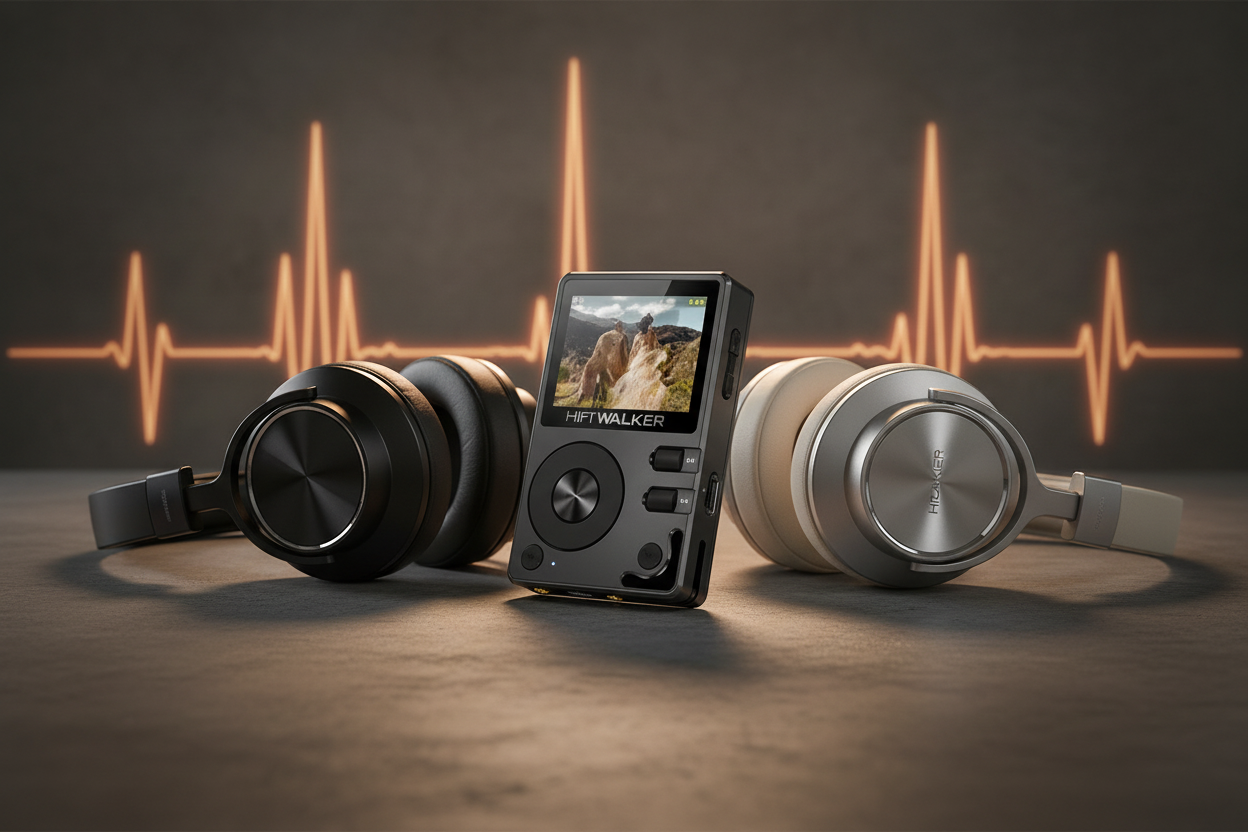
The HIFI WALKER H2 Touch Hi-Res Audio Player strikes an excellent balance between modern usability and pure audio quality. Its 3.2-inch touchscreen eliminates the learning curve common with button-only players, while the dual ES9218P DAC chips ensure your music sounds exactly as the artist intended.

Performance Testing: How These Players Sound
Real-world testing reveals significant differences between budget hi res players and smartphone audio, even with identical source files and headphones.

Test Setup Details
- Source: FLAC 96kHz/24-bit classical and jazz recordings
- Headphones: Sennheiser HD600 (300Ω) and Audio-Technica ATH-M50x (38Ω)
- Testing environment: Acoustically treated room
- Volume matched using SPL meter for fair comparison
Key Findings
- DAP soundstage 20-30% wider than smartphone output
- Background noise floor significantly lower
- Bass extension cleaner with less distortion
- High-frequency detail retrieval markedly superior
The HIFI WALKER H2 Hi-Res Audio Player particularly impressed during extended listening sessions, maintaining clean output even when driving high-impedance headphones that would strain smartphone amplifiers.

Format Support and Compatibility Guide
Understanding which audio formats your hi res player supports determines your music library compatibility and future-proofing potential.
Essential Lossless Formats
FLAC up to 192kHz/24-bit covers most high-resolution purchases from HDtracks, Qobuz, and similar services.
DSD for SACD Rips
DSD64 minimum, DSD128 preferred for those with Super Audio CD collections or DSD purchases from acoustic music labels.
MQA Consideration
MQA decoding enables full Tidal Masters experience, though the format remains somewhat controversial among purists.
Legacy Format Support
MP3, AAC, and other compressed formats for existing collections during the transition period.
For newcomers to hi-res audio, starting with 24-bit/96kHz FLAC files provides noticeable improvement over CD quality without the storage demands of DSD formats.
↑ Back to Top
Back to Top ↑Battery Life and Real-World Usage
Manufacturer battery claims often assume ideal conditions. Real-world usage with quality headphones and hi-res files typically yields 60-80% of quoted specifications.
Factors Reducing Battery Life
- High-impedance headphones requiring more amplification
- Hi-res files demanding more processing power
- Balanced output mode using more current
- Screen brightness and frequent navigation
Battery Optimization Tips
- Use single-ended output when headphones don't require balanced
- Lower screen brightness and enable auto-sleep
- Organize playlists to reduce menu browsing
- Consider airplane mode if wifi isn't needed

The button-controlled models generally outlast touchscreen versions by 2-4 hours due to display power requirements. For critical listening sessions, this difference becomes significant.
Buying Decision Framework
Choosing the right hi res player depends on your specific use case, headphone collection, and music preferences rather than specifications alone.
Assess Your Headphone Collection
High-impedance headphones (>150Ω) benefit significantly from dedicated players. Efficient IEMs may not show dramatic improvements.
Consider Your Music Library
If you primarily stream Spotify, a DAP won't provide major benefits. Hi-res file collectors see immediate improvements.
Evaluate Usage Patterns
Long commutes favor maximum battery life. Home listening prioritizes sound quality over portability.
Plan Your Upgrade Path
Budget players should offer room to grow with better headphones and expanded music libraries.
Browse our complete hi-res audio player collection to compare all available models and find your perfect match.

Final Recommendations and Next Steps
The budget hi res player market offers genuine audiophile performance without premium pricing, making high-quality portable audio accessible to more music lovers than ever before.
Best for Beginners
- H2 Touch for intuitive touchscreen operation
- Start with 24-bit/96kHz FLAC files
- Pair with mid-range headphones (HD598, ATH-M40x)
- Focus on familiar music to hear differences
Best for Audio Enthusiasts
- H2 standard for maximum battery life
- Explore DSD and high-res purchases
- Invest in higher-impedance headphones
- Experiment with balanced vs single-ended output
The investment in a dedicated player pays dividends in listening enjoyment, especially during quiet moments when smartphones would compete with notifications and system sounds. Start with any quality budget option, then let your ears guide future upgrades.
For deeper technical comparisons and setup guides, explore our DAP reviews and comparisons section where we dive into advanced topics like impedance matching and format optimization.
Frequently Asked Questions
Q1: Do hi-res audio players really sound better than smartphones?
Yes, dedicated players use superior DAC chips, isolated audio circuitry, and optimized amplification. The difference is most noticeable with quality headphones and lossless music files, particularly in soundstage width and background noise reduction.
Q2: What headphones work best with budget hi-res players?
Mid-range headphones like Sennheiser HD598, Audio-Technica ATH-M50x, or Beyerdynamic DT770 Pro showcase the improvements well. Very efficient IEMs may not reveal dramatic differences, while extremely high-impedance headphones might need more expensive players.
Q3: Is it worth buying a hi-res player if I stream music?
If you primarily use Spotify or other compressed streaming services, the benefits are minimal. However, if you have access to Tidal HiFi, Qobuz, or plan to purchase hi-res downloads, a dedicated player makes a significant difference.
Q4: How much should I spend on my first hi-res audio player?
The $120-180 range offers the best value for beginners. This budget provides players with quality DAC chips and solid build quality without premium brand markups. You can always upgrade later as your audio knowledge grows.
Q5: What audio formats should I prioritize for my music library?
Start with FLAC files at 24-bit/96kHz for a good balance of quality and file size. This format provides clear improvements over CD quality without the massive storage requirements of DSD or ultra-high sample rates.