


Expert Insights
- Volume-limiting features are non-negotiable for children's hearing protection, but many budget players lack proper implementation
- Touchscreen interfaces appeal to modern children but require more robust construction to survive enthusiastic young users
- The sweet spot for most families lies in the $75-120 range, balancing features, durability, and audio quality
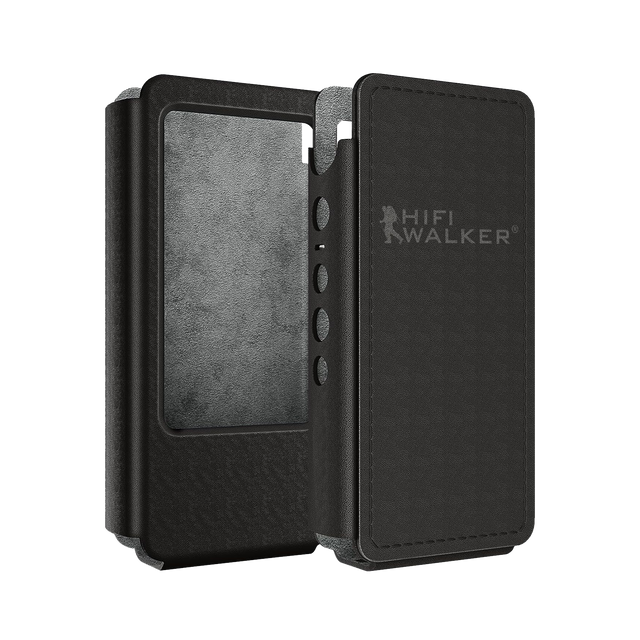
- Consider the total ecosystem cost including protective cases, quality headphones, and potential replacement needs when budgeting
Why Kids Need Dedicated Music Players in 2026
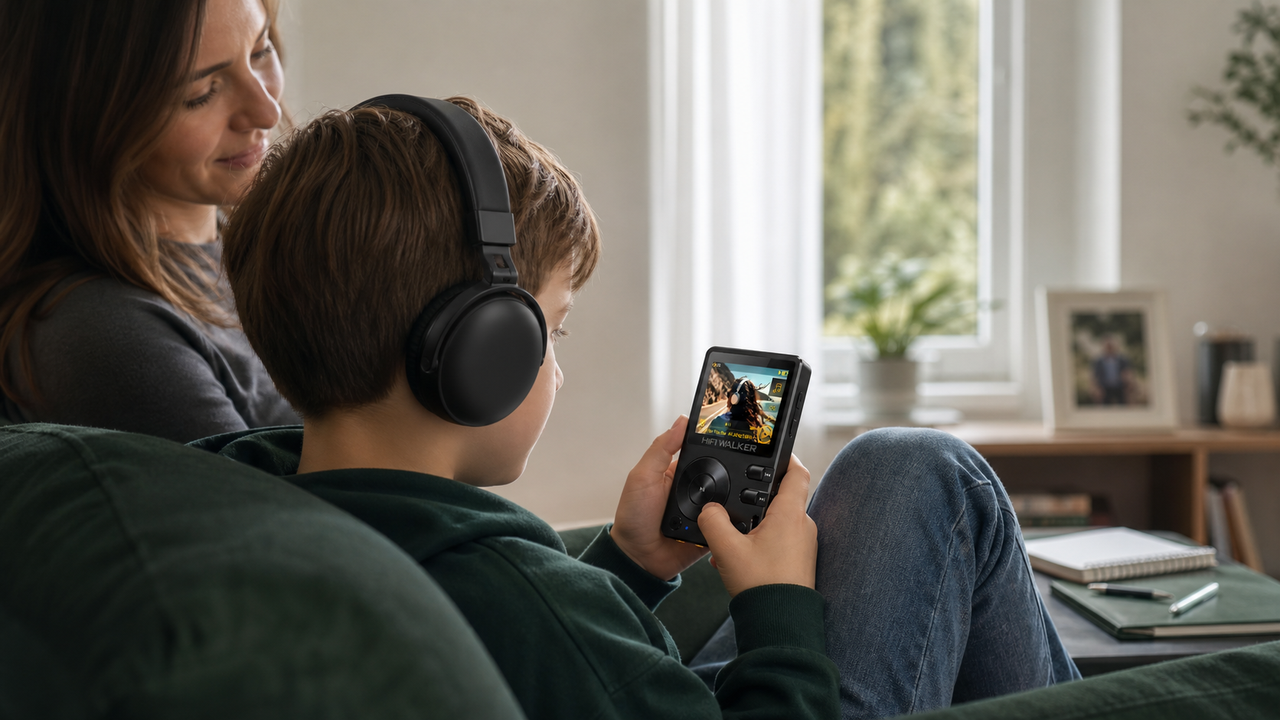
In today's smartphone-dominated world, finding the right kids music player becomes more crucial than ever. While tablets and phones offer convenience, they come with distractions, screen time concerns, and fragile designs that don't survive playground adventures.

The Smartphone Problem
- Unlimited internet access and distractions
- Fragile screens that crack easily
- Complex interfaces overwhelming for young users
- Battery drain from multiple apps running
Dedicated Music Player Benefits
- Focus purely on music without distractions
- Rugged designs built for active kids
- Simple controls even toddlers can master
- Extended battery life for all-day listenin
Modern parents seek portable music players that balance audio quality, durability, and age-appropriate features. The under-$150 price range offers surprising variety, from basic MP3 players to sophisticated Hi-Res audio devices that grow with your child.
- ►1. Why Kids Need Dedicated Music Players in 2026
- ►2. Essential Features Every Kids Music Player Should Have
- ►3. Top Budget-Friendly Options ($30-$75)
- ►4. Mid-Range Champions ($75-$120)
- ►5. Premium Kids-Friendly Players ($120-$150)
- ►6. Safety and Parental Control Features
- ►7. Durability Testing and Real-World Performance
- ►8. Making the Right Choice for Your Child
Essential Features Every Kids Music Player Should Have
Not all music players suit children's unique needs. The best kids music player combines safety features, intuitive design, and robust construction to withstand daily adventures.
Volume Limiting Protection
Built-in volume caps prevent hearing damage while maintaining clear audio quality at safe levels.
Drop-Resistant Construction
Reinforced cases and shock-absorbing materials survive accidental drops from playground heights.
Simple Navigation
Large buttons and clear displays help children independently manage their music library.
Extended Battery Life
Long-lasting power ensures music continues through school days, road trips, and outdoor activities.
Safety First Features
- 80dB volume limiting (WHO recommended)
- Rounded corners and smooth edges
- Non-toxic materials and finishes
- Secure battery compartments
Usability Must-Haves
- One-button play/pause functionality
- Visual battery and storage indicators
- Tangle-free headphone management
- Quick file transfer via drag-and-drop
Parents also value expandable storage, multiple format support, and parental controls that let them curate appropriate content while giving children independence in music discovery.
Top Budget-Friendly Options ($30-$75)
Entry-level kids music players prove that quality doesn't require premium prices. These affordable options deliver essential features while keeping costs family-friendly.

Budget models typically support MP3 and WMA formats with 8-32GB storage capacity. While they lack advanced audio processing, they excel in simplicity and durability - perfect for introducing young children to personal music enjoyment.
Budget Player Pros
- Minimal financial risk if lost or broken
- Simple controls reduce confusion
- Lightweight designs for small hands
- Often include starter headphones
Consider These Limitations
- Basic audio quality compared to premium options
- Limited format support (mostly MP3)
- Smaller screens or no display
- May lack volume limiting features
Mid-Range Champions ($75-$120)
The sweet spot for most families combines enhanced audio quality with kid-friendly durability. These players offer premium features without premium prices.

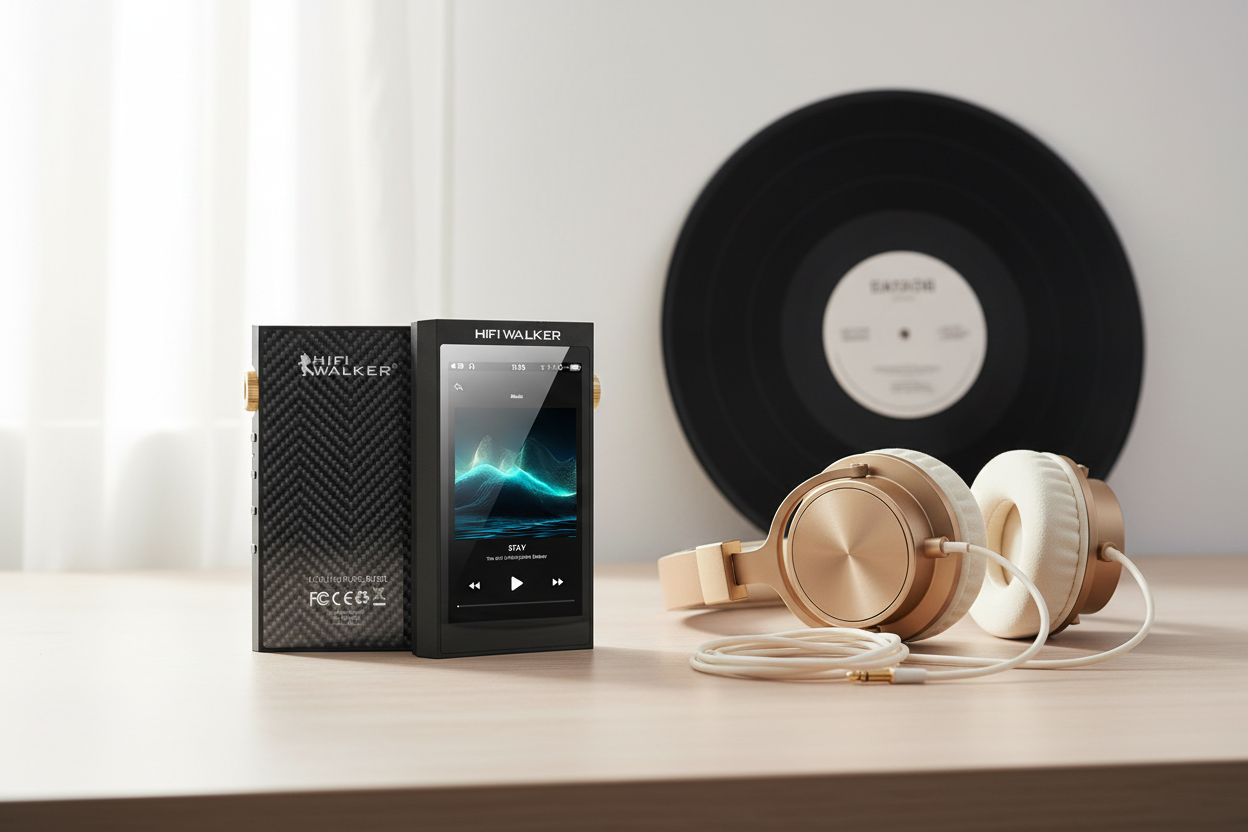
Mid-range options typically feature color displays, expandable storage, and support for high-quality formats like FLAC. The HIFI WALKER H2 Hi-Res Audio Player exemplifies this category with local Hi-Res playback, USB DAC, Line Out, Bluetooth transmit/receive, and microSD support in a compact design.
Assess Your Child's Maturity
Consider if they can handle more advanced controls and respect higher-value equipment.
Evaluate Music Sources
Determine if your family uses high-quality audio files that benefit from better DACs.
Plan for Growth
Choose players that remain engaging as musical tastes and technical understanding develop.

Premium Kids-Friendly Players ($120-$150)
For families prioritizing long-term value and superior audio education, premium kids music players deliver professional-grade sound in child-appropriate packages.

Premium Player Advantages
- Hi-Res audio support (24-bit/192kHz)
- Professional DAC chips for pure sound
- Premium build materials and finishes
- Advanced EQ and sound customization
Kid-Specific Adaptations
- Intuitive touchscreen interfaces
- Visual music browsing with album art
- Robust construction despite premium materials
- Parental control compatibility
The HIFI WALKER H2 Touch Hi-Res Audio Player represents the pinnacle of kid-friendly premium audio. Its touchscreen interface appeals to children familiar with tablets, while the exceptional audio quality introduces them to the difference high-fidelity sound makes.

↑ Back to Top
Back to Top ↑Safety and Parental Control Features
Modern kids music players incorporate sophisticated safety features that protect both hearing and content exposure while maintaining the independence children crave.
Physical Safety Features
- WHO-compliant 85dB volume limiting
- Rounded edges and breakage-resistant materials
- Secure battery compartments
- Tangle-resistant cable management
Digital Safety Controls
- Content filtering and approval systems
- Time-based usage limitations
- Locked settings requiring parental codes
- Activity monitoring and reporting
Configure Volume Limits
Set maximum output levels appropriate for your child's age and hearing sensitivity.
Curate Content Library
Pre-load age-appropriate music and enable approval requirements for new additions.
Establish Usage Guidelines
Create clear rules about when and where the music player can be used.
Regular Safety Check-ins
Periodically review settings and discuss responsible listening habits.

The most effective parental controls balance protection with autonomy, gradually increasing freedom as children demonstrate responsible usage patterns and mature understanding of audio safety.
Durability Testing and Real-World Performance
Children test electronics in ways manufacturers never imagine. The best kids music players survive drops, spills, playground dust, and the enthusiasm of active young users.

Common Failure Points
- Headphone jack wearing out from frequent use
- Cracked screens from drops and pressure
- Button mechanisms failing from enthusiastic pressing
- Battery degradation from improper charging
Durability Champions
- Reinforced headphone jacks with strain relief
- Shock-absorbing case designs and materials
- Sealed button mechanisms with tactile feedback
- Smart charging circuits preventing overcharge damage
Parents report that investing in mid-range or premium players often proves more economical long-term, as replacement costs for broken budget devices quickly exceed the price difference for quality construction.
Making the Right Choice for Your Child
Selecting the perfect kids music player depends on your child's age, interests, technical comfort level, and your family's audio quality priorities.
Assess Technical Readiness
Younger children (4-7) benefit from simple controls, while older kids (8-12) appreciate touchscreens and advanced features.
Consider Music Sources
Families with extensive CD collections or high-quality downloads should prioritize players supporting lossless formats.
Evaluate Usage Patterns
Active outdoor kids need rugged, clip-on designs while studious children prefer larger screens and comfort features.
Plan Your Budget Wisely
Consider total cost including cases, headphones, and potential replacement needs over 2-3 years.
Age 4-7 Recommendations
- Large, colorful buttons for easy operation
- Volume-limited to protect developing hearing
- Lightweight designs under 100 grams
- Simple on/off and play/pause controls
Age 8-12 Recommendations
- Touchscreen interfaces for intuitive navigation
- Expandable storage for growing music libraries
- EQ presets for different music styles
- Bluetooth connectivity for modern headphone

Remember that the best kids music player grows with your child, offering appropriate complexity at each developmental stage while maintaining the core benefits of focused, distraction-free music enjoyment. Consider browsing our complete selection of portable music players to find the perfect match for your family's needs.
Frequently Asked Questions
Q1: What age is appropriate for a child's first music player?
Most children can safely use dedicated music players starting around age 4-5, when they understand basic care for electronic devices and can follow volume safety rules. Simple players with large buttons work best for younger children.
Q2: How loud is too loud for kids music players?
The World Health Organization recommends limiting children's audio exposure to 85dB maximum. Quality kids music players include built-in volume limiting to prevent hearing damage while maintaining clear, enjoyable sound.
Q3: Do kids really need expensive music players?
While budget options work fine for basic needs, mid-range players ($75-120) often provide better value through superior durability, safety features, and audio quality that grows with your child's developing musical appreciation.
Q4: What music formats should I look for in kids players?
At minimum, ensure MP3 and WMA support for compatibility. Players supporting FLAC and other lossless formats future-proof your investment and provide better sound quality for musically curious children.
Q5: How much storage space does a child need?
Most children are happy with 16-32GB initially (roughly 4,000-8,000 songs). Look for expandable storage options to accommodate growing music libraries as children discover new artists and genres.