

Expert Insights
- The digital audio player renaissance stems from streaming services offering hi-res content that smartphones cannot properly decode
- Premium DAC implementation in mid-range DAPs now rivals flagship models from just five years ago, making audiophile sound more accessible
- Battery technology improvements allow modern DAPs to maintain consistent audio performance throughout their charge cycle, eliminating the power-related audio degradation common in smartphones
What is a Digital Audio Player?
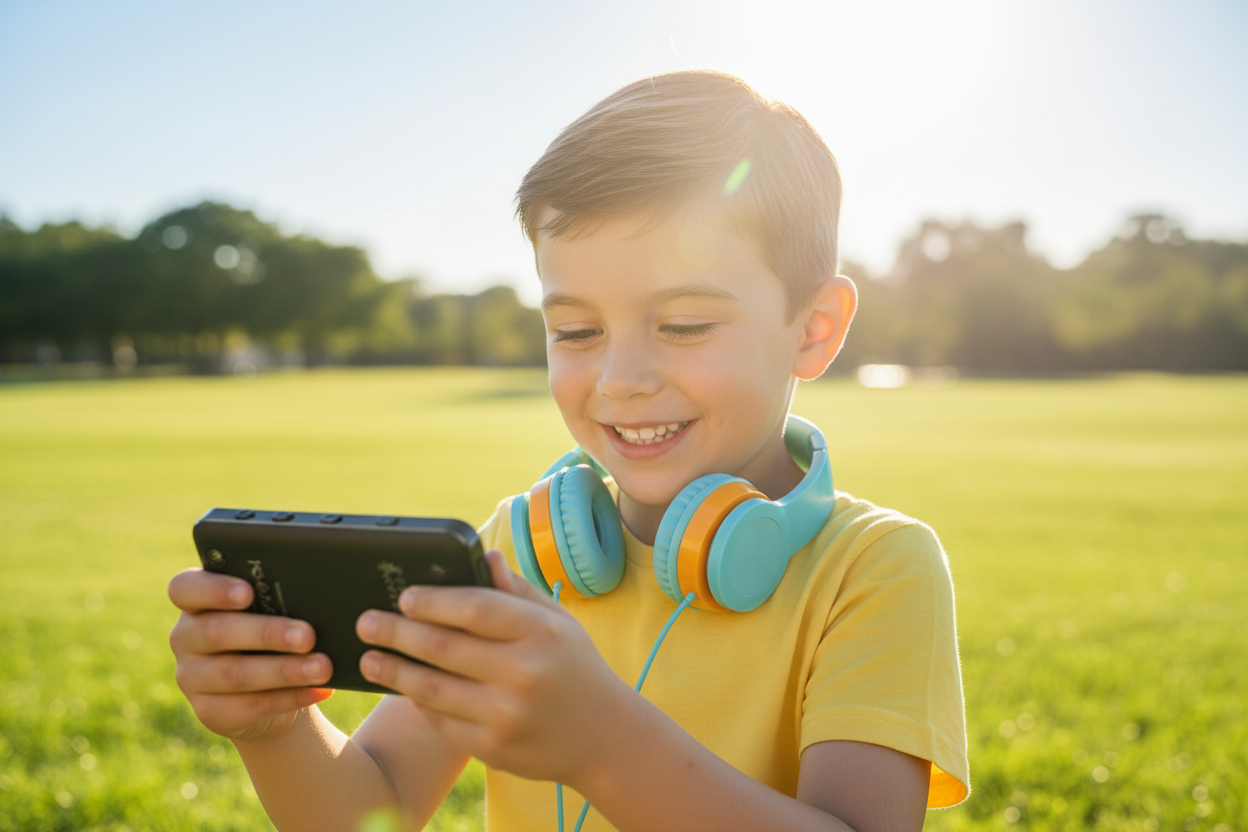
A digital audio player (DAP) is a specialized portable device designed exclusively for high-quality music playback. Unlike smartphones that compromise audio quality for multitasking capabilities, digital audio players prioritize pure sound reproduction with dedicated audio circuitry, premium DAC chips, and optimized power management systems.

Smartphone Audio Limitations
- Shared processing power with apps
- Generic audio codecs for battery saving
- Electrical interference from cellular/wifi
- Compressed streaming-focused design
Dedicated DAP Advantages
- 100% audio-focused processing
- High-end DAC and amplifier circuits
- Clean power supply isolation
- Support for lossless and hi-res formats
Modern digital audio players serve audiophiles, musicians, and audio professionals who demand reference-quality portable sound. They bridge the gap between studio-grade equipment and on-the-go convenience, making them essential tools for serious music enthusiasts.
- ►1. What is a Digital Audio Player?
- ►2. Core Technology Behind Digital Audio Players
- ►3. Essential Features to Consider in a Digital Audio Player
- ►4. Audio Format Support: From MP3 to DSD
- ►5. Digital Audio Player vs Smartphone: The Sound Quality Difference
- ►6. Popular Digital Audio Player Brands and Models
- ►7. Choosing the Right Digital Audio Player for Your Needs
- ►8. The Future of Digital Audio Players
Core Technology Behind Digital Audio Players
The heart of any digital audio player lies in its digital-to-analog conversion process. High-end DAPs employ premium DAC chips like ESS Sabre or AKM Velvet Sound series, which convert digital audio files into analog signals with minimal distortion and maximum dynamic range.
Digital Signal Processing
The DAP's processor reads digital audio files (FLAC, DSD, PCM) and prepares them for conversion while maintaining bit-perfect accuracy.
DAC Conversion
Premium DAC chips convert digital data to analog signals. Dual DAC configurations provide better channel separation and lower noise floor.
Amplification Stage
Clean analog signals pass through dedicated headphone amplifiers, providing sufficient power for various impedance levels from IEMs to planar headphones.
Output Delivery
Balanced XLR or single-ended outputs deliver the final analog signal to your headphones or external amplifiers with maximum fidelity.

Essential Features to Consider in a Digital Audio Player
Choosing the right digital audio player requires understanding key technical specifications that directly impact your listening experience. These features determine not only sound quality but also usability and long-term satisfaction with your investment.
Must-Have Features
- Hi-res format support (FLAC/DSD)
- Expandable storage (microSD)
- Long battery life (12+ hours)
- Quality headphone output
- Intuitive user interface
Advanced Features
- Balanced output options
- Parametric EQ and filters
- Streaming service integration
- Line out for external amps
- Custom firmware support

Audio Format Support: From MP3 to DSD
Modern digital audio players support an extensive range of audio formats, from legacy MP3 files to cutting-edge DSD recordings. Understanding these formats helps you choose a DAP that matches your music library and quality expectations.
Lossless PCM Formats
FLAC, WAV, and ALAC preserve original recording quality. Look for support up to 32bit/384kHz for future-proofing your music collection.
DSD (Direct Stream Digital)
Originally developed for SACD, DSD64/128/256 offers a different approach to digital audio with smooth, analog-like characteristics.
MQA (Master Quality Authenticated)
Tidal's hi-res streaming format that unfolds studio master recordings. Essential for streaming-focused audiophiles.
Legacy Format Support
MP3, AAC, and OGG support ensures compatibility with existing music libraries and streaming services.

The best digital audio players offer native support for all major formats without conversion, preserving the original recording's integrity. This flexibility allows you to enjoy everything from vintage MP3 collections to the latest hi-res downloads.
Digital Audio Player vs Smartphone: The Sound Quality Difference
While smartphones have evolved into capable multimedia devices, they make significant compromises in audio quality. Understanding these differences helps justify the investment in a dedicated digital audio player for serious listening.
Smartphone Audio Challenges
- Shared processing creates audio dropouts
- Battery optimization reduces audio quality
- RF interference from cellular components
- Limited amplifier power for demanding headphones
- Compressed streaming prioritization
DAP Audio Advantages
- Dedicated audio processing chain
- Optimized power delivery for consistent performance
- Isolated analog sections for clean sound
- High-current amplification for all headphone types
- Native hi-res file support

Independent tests consistently show that dedicated digital audio players deliver superior dynamic range, lower distortion, and better channel separation compared to smartphones. This translates to more detailed soundstaging, cleaner bass response, and enhanced musical engagement during critical listening sessions.

↑ Back to Top
Back to Top ↑Popular Digital Audio Player Brands and Models
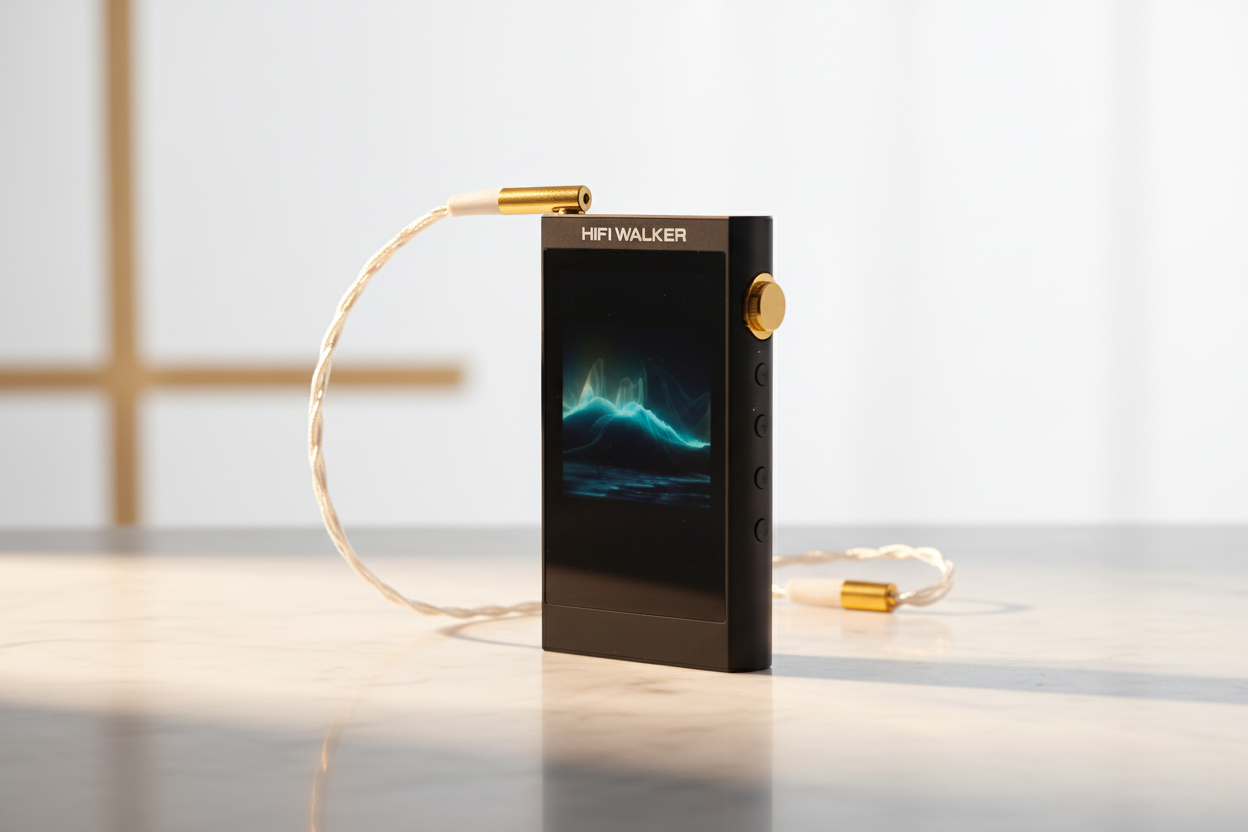
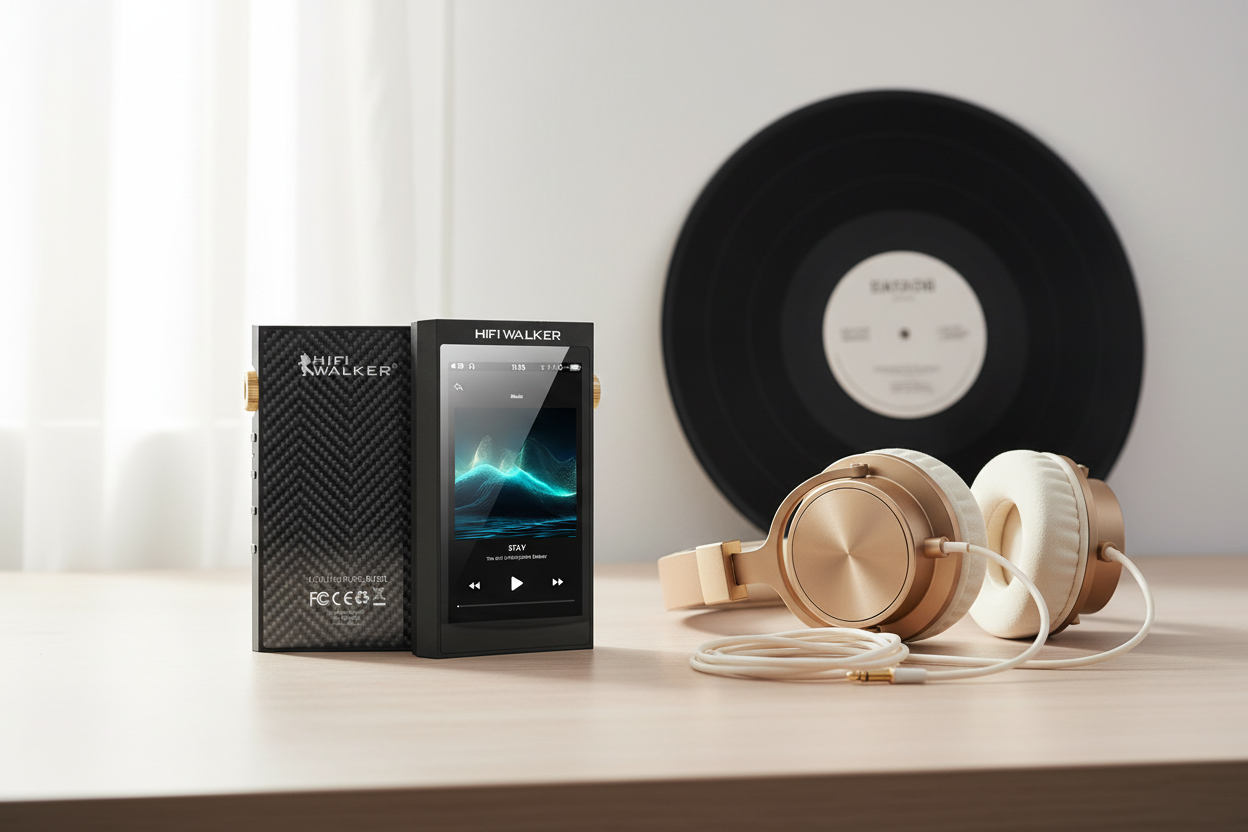
The digital audio player market features several established brands, each with distinct philosophies and target audiences. HIFI WALKER has emerged as a leader in providing high-value audiophile DAPs that compete with premium brands at accessible price points.
HIFI WALKER stands out by offering flagship-level components like dual ES9038Q2M DACs and balanced outputs in mid-range priced devices. This approach makes high-end audio technology accessible to a broader audience without compromising on sound quality or build excellence.

Choosing the Right Digital Audio Player for Your Needs
Selecting the perfect digital audio player depends on your listening habits, headphone collection, music library, and budget. Consider these factors to make an informed decision that will provide years of musical satisfaction.
Assess Your Headphones
Match DAP output power to your headphone impedance. High-impedance headphones (300Ω+) need powerful amplification, while sensitive IEMs benefit from low noise floors.
Evaluate Music Sources
If you stream primarily, prioritize WiFi stability and app support. For local libraries, focus on storage capacity and format compatibility.
Consider Usage Patterns
Commuter use demands excellent battery life and robust build quality. Home listening benefits from line outputs and desktop-friendly interfaces.
Set Realistic Budget
Determine the sweet spot between features and cost. Mid-range DAPs often provide 80% of flagship performance at 40% of the price.
Beginner Audiophile Priorities
- User-friendly interface
- Good battery life
- Essential format support
- Reasonable price point
- Solid build quality
Advanced User Requirements
- Balanced output options
- Extensive format support
- Customizable EQ and filters
- High output power
- Premium DAC implementation

The Future of Digital Audio Players
The digital audio player market continues evolving with advancing technology and changing listener preferences. Emerging trends point toward more intelligent, connected, and versatile devices that maintain audio purity while adding modern conveniences.
Current Trends
- Android-based operating systems
- Streaming service integration
- Wireless connectivity expansion
- Modular upgrade capabilities
- AI-powered sound optimization
Future Developments
- Neural network audio processing
- Adaptive EQ based on listening habits
- Advanced room correction algorithms
- Quantum dot display technology
- Ultra-low power consumption designs
As hi-res streaming becomes mainstream and spatial audio formats gain adoption, digital audio players are adapting to support these technologies while maintaining their core advantage: uncompromising sound quality. The future promises even more sophisticated DAPs that seamlessly blend traditional audiophile values with modern connectivity.

Frequently Asked Questions
Q1: What makes a digital audio player better than a smartphone for music?
Digital audio players use dedicated audio circuits, premium DAC chips, and isolated power supplies specifically optimized for music playback. This results in lower noise, better dynamic range, and superior sound quality compared to smartphones that prioritize multitasking over audio performance.
Q2: Do I need expensive headphones to benefit from a digital audio player?
While high-end headphones maximize the benefits, even mid-range headphones will show noticeable improvement with a quality DAP. The cleaner power delivery, lower noise floor, and better amplification enhance any headphone's performance compared to smartphone audio.
Q3: What audio formats should my digital audio player support?
Essential formats include FLAC, WAV, DSD64/128, and MQA for hi-res content, plus MP3 and AAC for existing libraries. Look for support up to 32bit/384kHz PCM and DSD256 for future compatibility with high-resolution recordings.
Q4: How long should a digital audio player's battery last?
Quality DAPs typically provide 12-20 hours of continuous playback. Battery life depends on file format, screen brightness, and amplification demands. Look for models offering at least 15 hours for all-day listening without charging concerns.
Q5: Can digital audio players stream music like smartphones?
Many modern DAPs include WiFi and support streaming apps like Tidal, Qobuz, and Spotify. Android-based models offer full app compatibility, while maintaining dedicated audio processing advantages over smartphones for superior streaming quality.