

Expert Insights: Key Takeaways
- The iPod Classic's 160GB hard drive was impressive for 2007, but modern microSD cards offer 2TB in the same space with no moving parts
- Apple's AAC compression was designed for file size efficiency, not audiophile quality—hi-res players prioritize sound over storage constraints
- Dedicated music players solve the smartphone multitasking problem that constantly interrupts the listening experience iPod users cherished
The iPod's Legacy and Why Apple Left the Market
When Apple discontinued the iPod in 2022, it marked the end of an era that revolutionized portable music. The iPod Classic's iconic click wheel and dedicated music experience shaped how we consume audio for over two decades. But Apple's exit from the music player market wasn't the end of the story—it was the beginning of a new chapter.
Why Apple Abandoned the iPod
- iPhone cannibalized iPod sales
- Streaming services dominated downloads
- Lower profit margins vs smartphones
- Focus shifted to services revenue
What Audiophiles Actually Need
- Dedicated audio hardware without distractions
- High-resolution format support beyond iTunes
- Superior battery life for music only
- Better DAC chips than phone integrations
Today's music player market has evolved far beyond what the original Apple iPod could offer. Modern alternatives deliver lossless audio quality, extensive format support, and battery life that puts smartphones to shame.

- ►1. The iPod's Legacy and Why Apple Left the Market
- ►2. Why Mini Hi-Res Players Outclass the iPod Classic
- ►3. The HIFI WALKER H2 Mini: Your Perfect iPod Successor
- ►4. Sound Quality Comparison: iPod vs Hi-Res Players
- ►5. Alternative Options: Building Your iPod Replacement Kit
- ►6. Setup Guide: Transitioning from iPod to Hi-Res
- ►7. Future-Proofing: Why Hi-Res Players Beat Smartphones
Why Mini Hi-Res Players Outclass the iPod Classic
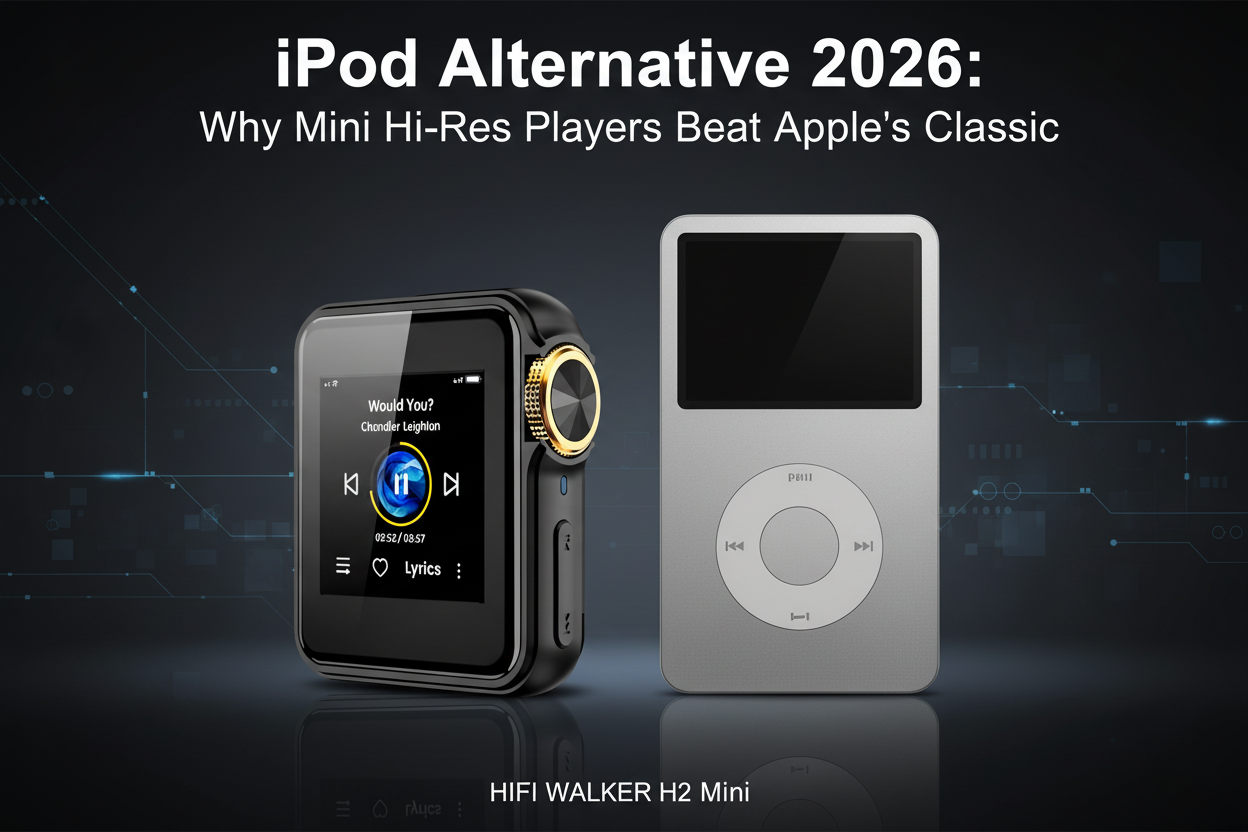
The iPod Classic's 160GB hard drive and AAC compression were impressive in 2007, but today's mini hi-res players pack exponentially more capability into equally compact forms. Modern digital-to-analog converters (DACs) and amplifiers deliver audio fidelity that the original iPod hardware simply couldn't match.
Beyond specifications, mini hi-res players solve practical problems that plagued the iPod experience: no more iTunes dependency, direct file drag-and-drop, support for modern streaming formats, and hardware designed specifically for critical listening rather than casual consumption.

The HIFI WALKER H2 Mini: Your Perfect iPod Successor
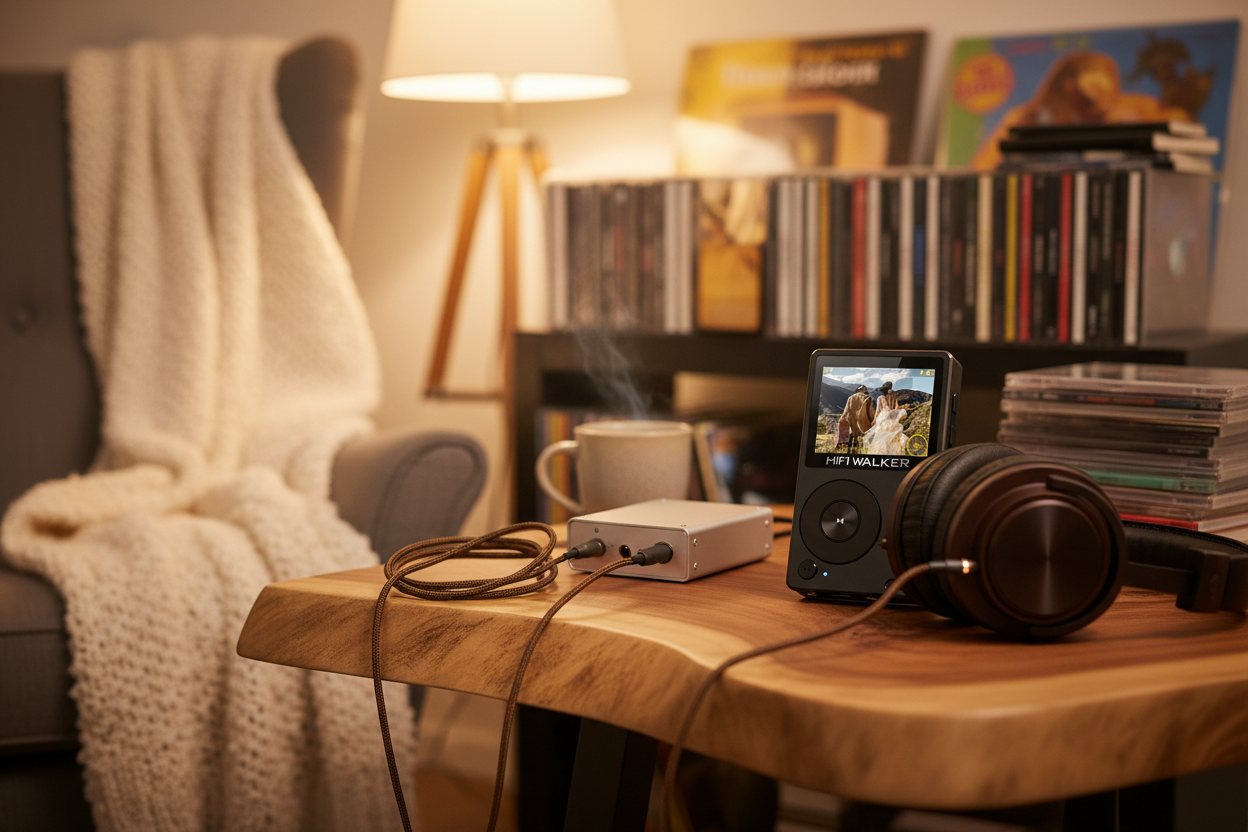
The HIFI WALKER H2 Mini Hi-Res Music Player captures everything audiophiles loved about the iPod Classic while delivering sound quality that would have been impossible in Apple's era. At just $109.99, it offers professional-grade audio components in a design philosophy that honors the original iPod's simplicity.
Unboxing Experience
Clean packaging reminiscent of Apple's design language, with the player, USB-C cable, and quick start guide. No bloatware or complex setup required.
File Transfer
Simply drag FLAC, DSD, or any high-resolution files from your computer. No iTunes, no conversion, no sync headaches.
Sound Quality Test
The dual DAC architecture immediately reveals details compressed formats miss. Bass extension, soundstage width, and instrument separation exceed phone audio by orders of magnitude.
Battery Reality Check
Consistent 18-hour playback with hi-res files. Unlike aging iPods, battery performance remains stable over years of use.

Where the H2 Mini truly shines is build quality and longevity. While vintage iPod Classic units suffer from failing hard drives and degraded batteries, the H2 Mini uses modern solid-state storage and lithium battery technology designed for thousands of charge cycles.
Sound Quality Comparison: iPod vs Hi-Res Players
The audio quality gap between the original Apple iPod and today's dedicated music players is dramatic. Apple's focus was convenience and battery life, not audiophile performance. Modern hi-res players prioritize sound quality above all else.
iPod Classic Audio Limitations
- 16-bit/44.1kHz maximum resolution
- Compressed AAC/MP3 formats only
- Basic headphone amplifier
- No balanced output option
- Fixed EQ with limited bands
Modern Hi-Res Player Advantages
- 32-bit/384kHz PCM, DSD256 support
- Native lossless format playback
- Dedicated headphone amplifier circuits
- Balanced and single-ended outputs
- Parametric EQ and digital filters
In blind listening tests, audiophiles consistently identify hi-res players over compressed iPod audio. The difference isn't subtle—it's the distinction between listening to music and listening into music, where every instrument occupies its own space in a three-dimensional soundstage.

↑ Back to Top
Back to Top ↑Alternative Options: Building Your iPod Replacement Kit
While the H2 Mini offers the closest iPod alternative experience, different listening preferences call for different solutions. Some users prefer Android-based players for streaming integration, while others want maximum battery life or premium build materials.

Each option addresses specific limitations of the original iPod Classic. The key is matching your primary use case: pure offline listening, streaming integration, or maximum audio fidelity. Visit our complete collection to explore detailed specifications.
Setup Guide: Transitioning from iPod to Hi-Res
Making the switch from iPod to a modern hi-res player requires rethinking your music library approach. Instead of iTunes' compressed AAC files, you'll want to source higher-quality versions of your favorite albums for the full benefit.
Assess Your Library
Export your iTunes library metadata, but plan to re-acquire albums in FLAC or other lossless formats from sources like Bandcamp, Qobuz, or HD Tracks.
Storage Planning
FLAC files are 3-5x larger than AAC. A 32GB microSD card holds roughly 400-600 hi-res albums, compared to 2000+ compressed songs on the original iPod.
Headphone Matching
Your old iPod earbuds won't reveal the quality improvement. Budget $50-150 for headphones that can resolve the additional detail hi-res files provide.
File Organization
Unlike iTunes' database approach, hi-res players work with folder structures. Organize by Artist/Album/Track for easy navigation.

The transition investment pays dividends immediately. Where the iPod Classic compressed your music to fit more songs, hi-res players reveal why artists and engineers spent months perfecting album masters that iTunes' 256kbps AAC could never fully represent.
Future-Proofing: Why Hi-Res Players Beat Smartphones
Smartphones killed the iPod, but they're terrible long-term music solutions. Phone manufacturers prioritize camera upgrades and 5G connectivity over audio quality. Dedicated music players solve problems smartphones create rather than address.
Smartphone Music Problems
- Battery drain from multiple apps
- Compressed streaming as default
- No room for local hi-res libraries
- Constant notification interruptions
- Planned obsolescence every 2-3 years
Dedicated Player Benefits
- 18+ hour battery for music only
- Native hi-res file support
- Expandable storage up to 2TB
- Zero distractions during listening
- 5-10 year functional lifespan
The iPod succeeded because it did one thing exceptionally well: play music. Modern hi-res players inherit that focus while delivering audio quality that surpasses what Apple ever achieved. For serious listeners, a dedicated device isn't a luxury—it's a necessity.

Learn more about optimizing your portable audio setup in our comprehensive DAP guides and tips section, covering everything from file format selection to headphone pairing.
Frequently Asked Questions
Q1: Can hi-res players replace my iPod Classic completely?
Yes, modern hi-res players offer superior audio quality, longer battery life, and more storage capacity than the iPod Classic, while maintaining the dedicated music experience Apple pioneered.
Q2: Do I need expensive headphones to hear the difference from iPod quality?
While hi-res players improve any audio setup, headphones in the $50-150 range will reveal significantly more detail than what iPod earbuds could reproduce.
Q3: How much storage do I need compared to my old iPod?
Hi-res files are larger, but microSD expansion makes storage virtually unlimited. A 128GB card holds 1000+ hi-res albums, exceeding most iPod Classic capacities.
Q4: Are modern music players as reliable as the iPod Classic?
More reliable—solid-state storage eliminates mechanical hard drive failures, and modern lithium batteries maintain capacity much longer than original iPod batteries.
Q5: Can I use streaming services like I do on my phone?
Some hi-res players offer WiFi and streaming apps, but the primary advantage is local hi-res file playback that streaming services typically don't provide.