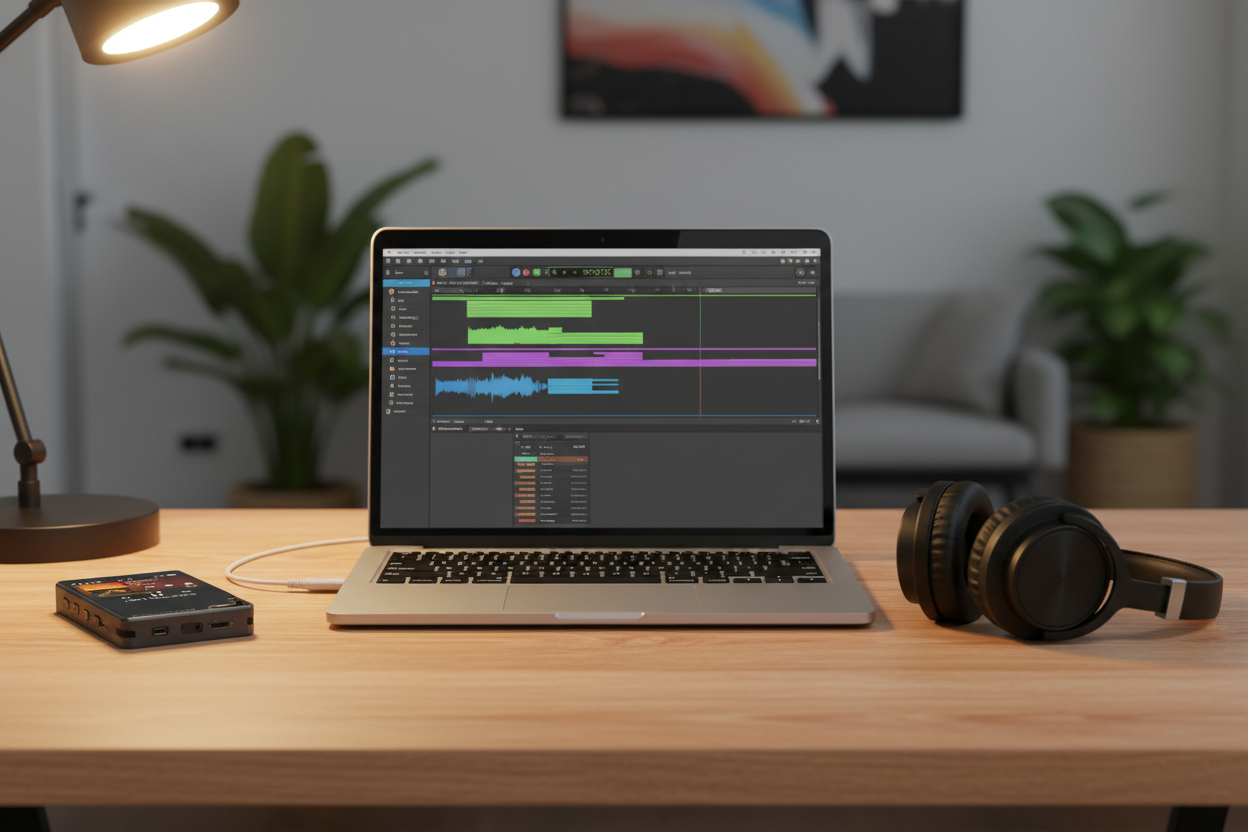
Modern online MP3 players have evolved beyond simple streaming. They now offer adaptive bitrate streaming, crossfade effects, and even spatial audio processing. However, this convenience comes with inherent limitations that dedicated hardware can address more effectively.
| Audio Aspect |
Online MP3 Player |
Dedicated Hardware |
| Maximum Bitrate |
320kbps AAC/MP3 |
24-bit/384kHz PCM |
| Dynamic Range |
Limited by compression |
130dB+ (flagship models) |
| Frequency Response |
Algorithm-processed |
Linear analog output |
| Signal-to-Noise Ratio |
Variable (device dependent) |
120dB+ dedicated circuits |
| Format Support |
Streaming codecs only |
FLAC/DSD/MQA/PCM |

The difference extends beyond specifications. Dedicated hardware eliminates digital noise floor issues that plague multi-purpose devices. When your smartphone processes notifications, GPS, and cellular signals simultaneously, audio quality inevitably suffers from electromagnetic interference.
Convenience vs Control: The Modern Dilemma
Online MP3 players offer undeniable convenience: instant access to millions of songs, automatic updates, and seamless device synchronization. However, this convenience comes at the cost of user control and audio authenticity.
Online Player Benefits
- No storage limitations
- Instant music discovery
- Automatic playlist generation
- Social sharing integration
- No file management required
Hardware Player Benefits
- Complete library ownership
- Zero internet dependency
- Customizable audio settings
- Private listening experience
- No subscription fees
The HIFI WALKER H2 Touch exemplifies the modern balance, offering touchscreen convenience while maintaining dedicated audio circuitry. This hybrid approach addresses the control limitations of pure online solutions.
H2 Touch Hi-Res Audio Player
Combines intuitive touch interface with dedicated audio hardware for the best of both worlds
$134.25 $179.00
Buy on Official Store →
Battery Life and Reliability Factors
Battery performance reveals another critical difference between online MP3 players and dedicated hardware. Smartphones running streaming apps typically provide 4-6 hours of continuous playback, while purpose-built players achieve 15-20+ hours from smaller batteries.
1
Power Optimization
Dedicated players use low-power ARM processors and optimized firmware, eliminating unnecessary background processes that drain smartphone batteries.
2
Component Efficiency
Specialized audio chips consume significantly less power than general-purpose smartphone SoCs when processing audio signals.
3
Thermal Management
Dedicated hardware runs cooler, preventing the thermal throttling that degrades smartphone performance during extended listening sessions.

Cost Analysis: Hidden Expenses of Online Players
While online MP3 players appear free, the long-term costs often exceed dedicated hardware investments. Premium streaming subscriptions, data plans, and device upgrades create ongoing expenses that hardware owners avoid.
| Cost Factor |
Online MP3 Player (5 Years) |
Dedicated Hardware |
| Device Cost |
$0 (existing smartphone) |
$120-240 one-time |
| Streaming Subscription |
$600 ($10/month × 60) |
$0 |
| Data Plan Addition |
$300 ($5/month × 60) |
$0 |
| Storage Upgrades |
$200 (cloud storage) |
$30 (microSD card) |
| Total 5-Year Cost |
$1,100+ |
$150-270 |
This analysis doesn't account for the ownership value of your music library. With dedicated hardware, you build a permanent collection that remains accessible regardless of service changes or internet availability.

When to Choose Each Option
The choice between online MP3 players and dedicated hardware depends on your listening priorities and lifestyle requirements. Neither solution is universally superior – each excels in specific scenarios.
Choose Online Players If You
- Prioritize music discovery over quality
- Listen primarily during commutes
- Enjoy social sharing features
- Prefer minimal device management
- Have reliable internet everywhere
Choose Hardware If You
- Demand maximum audio quality
- Own extensive music collections
- Listen in areas with poor connectivity
- Value long-term cost efficiency
- Prefer private, ad-free experiences
Many enthusiasts adopt a hybrid approach, using online players for discovery and dedicated hardware for serious listening. This strategy maximizes both convenience and quality while building a curated personal library over time.
Future of Portable Audio: Convergence Trends
The future of portable audio lies in intelligent convergence rather than replacement. Advanced hardware players are integrating selective online features while maintaining their core audio advantages.
1
Hybrid Connectivity
Next-generation players will offer optional streaming while preserving offline capabilities and dedicated audio processing.
2
AI-Enhanced Hardware
Machine learning algorithms will optimize audio settings automatically while running on dedicated, low-power hardware.
3
Ecosystem Integration
Hardware players will sync with online services for metadata and recommendations without sacrificing audio quality.

For current buyers, brands like HIFI WALKER represent this evolution, offering touchscreen interfaces and modern connectivity while preserving the audio purity that defines dedicated hardware.
Frequently Asked Questions
Q1: Can online MP3 players match the sound quality of dedicated hardware?
No, online MP3 players are limited by streaming compression (typically 320kbps maximum) and the multi-purpose nature of smartphones/computers. Dedicated hardware supports lossless formats up to 24-bit/384kHz with specialized DAC chips designed exclusively for audio reproduction.
Q2: Are dedicated music players worth buying in 2026?
Yes, for serious listeners who prioritize audio quality, battery life, and library ownership. While online players offer convenience, dedicated hardware provides superior sound quality, 15-20 hour battery life, and long-term cost savings by eliminating subscription fees.
Q3: What's the main advantage of online MP3 players?
Instant access to millions of songs without storage limitations, automatic music discovery, and seamless synchronization across devices. They're ideal for casual listening and music exploration, though they sacrifice audio quality and require ongoing subscription costs.
Q4: Can I use both online and hardware players together?
Absolutely. Many audio enthusiasts use online players for music discovery and social features, then purchase high-quality tracks for their dedicated hardware players. This hybrid approach maximizes both convenience and audio quality.
Q5: Do dedicated music players work without internet?
Yes, that's one of their key advantages. Dedicated players store music locally on internal memory and microSD cards, providing completely offline operation. This ensures uninterrupted listening regardless of internet connectivity or data plan limitations.