


Expert Insights: Key Takeaways
- USB-C connectivity has become the standard for modern MP3 players, offering faster file transfer speeds and universal compatibility
- Dedicated DAC chips in specialized music players deliver measurably better audio quality than smartphone integrated circuits
- The resurgence of physical music players reflects growing consumer demand for offline, subscription-free music enjoyment
Why USB MP3 Players Are Making a Comeback in 2026
The USB MP3 player market has experienced a remarkable renaissance in 2026, driven by audiophiles seeking dedicated music devices with superior sound quality. Unlike smartphones that compress audio and drain batteries with multiple apps, modern USB MP3 players offer direct file transfer capabilities and uncompromised audio performance.
Smartphone Music Limitations
- Compressed audio codecs reduce quality
- Background apps drain battery rapidly
- Limited storage for high-res files
- Audio processing shared with system tasks
USB MP3 Player Advantages
- Dedicated audio hardware for local files
- Listed battery life that depends on model and use
- Direct USB transfer of lossless files
- No interruptions from calls or notifications

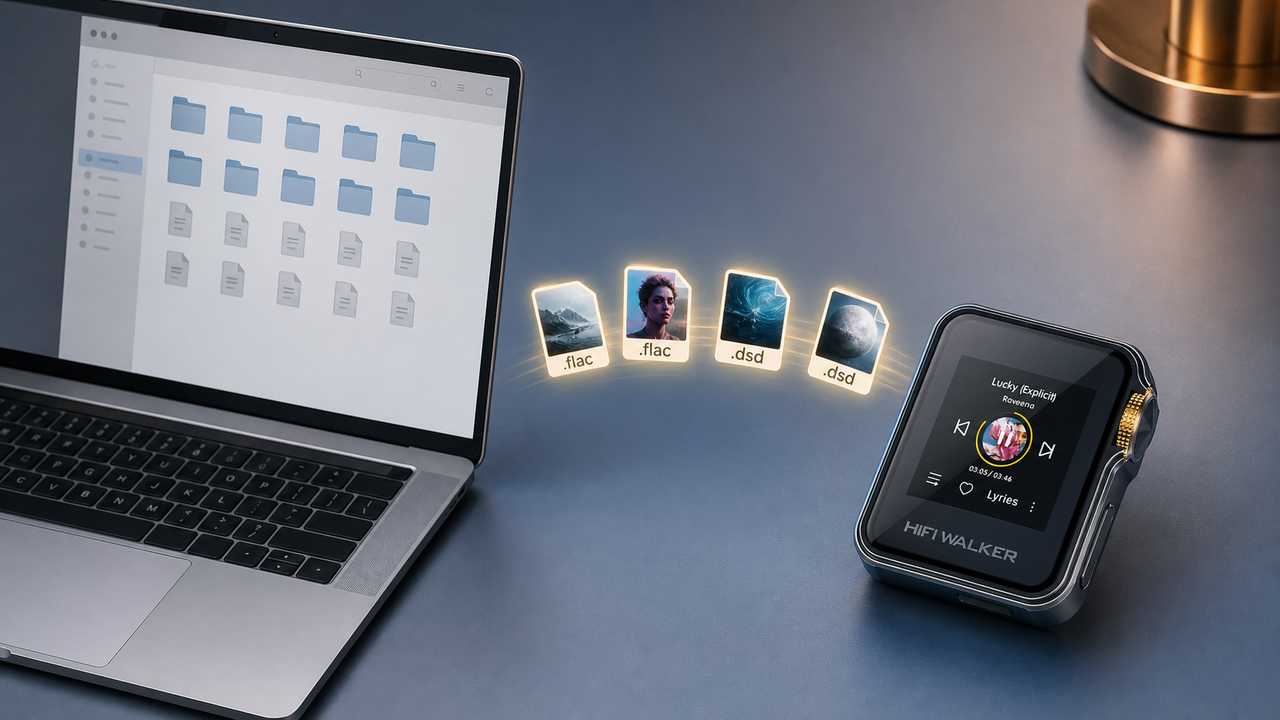
The portable music player segment has evolved beyond simple MP3 playback. Today's local players can support high-resolution formats such as FLAC and DSD, giving listeners a subscription-free way to carry their own music library.
- ►1. Why USB MP3 Players Are Making a Comeback in 2026
- ►2. Essential Features to Look for in USB MP3 Players
- ►3. Top USB MP3 Players for Different Budgets
- ►4. Direct File Transfer: USB vs Cloud vs Streaming
- ►5. Sound Quality: What Makes USB MP3 Players Superior
- ►6. Storage and Organization Features
- ►7. Future-Proofing Your USB MP3 Player Investment
Essential Features to Look for in USB MP3 Players
When selecting the perfect mp3 player with USB connectivity, several key features separate exceptional devices from mediocre alternatives. Understanding these specifications ensures you invest in a player that meets your audio quality expectations and usage requirements.
USB Connection Type
Modern players feature USB-C for faster file transfers (up to 480 Mbps) and universal compatibility with current charging cables.
DAC Quality
Look for dedicated DAC chips like ESS Sabre or Cirrus Logic for superior digital-to-analog conversion compared to smartphone integrated circuits.
Format Support
Check the exact format limits by model. H2 Mini supports FLAC up to 24bit/192kHz and WAV up to 32bit/384kHz, while DSD support depends on the model.
Storage Options
Expandable MicroSD storage keeps local libraries flexible. For H2 Mini, use MicroSD / SDHC / SDXC cards up to 512GB, with up to 14,999 recognized songs.
Top USB MP3 Players for Different Budgets
The mp3 music player market offers excellent options across various price ranges. From budget-friendly models perfect for casual listeners to premium devices satisfying the most demanding audiophiles, there's a USB MP3 player for every budget and requirement.


For users seeking more advanced features, mid-range options provide enhanced DAC implementations and expanded format support. These devices bridge the gap between entry-level convenience and high-end audiophile performance.

Direct File Transfer: USB vs Cloud vs Streaming
The advantage of USB MP3 players becomes clear when comparing file management methods. Direct USB transfer offers unmatched control over your music library without relying on internet connectivity or subscription services.
Traditional Methods
- Streaming requires constant internet
- Cloud storage has monthly limits
- Subscription fees add up over time
- Quality depends on connection speed
USB Direct Transfer Benefits
- No internet required for playback
- Unlimited local storage expansion
- One-time purchase, no recurring fees
- Full control over audio quality
Direct USB connectivity enables drag-and-drop simplicity for managing your music collection. Simply connect your portable music player to any computer, transfer files at full USB speeds, and enjoy your music anywhere without data concerns or connectivity requirements.

↑ Back to Top
Back to Top ↑Sound Quality: What Makes USB MP3 Players Superior
The audio performance gap between dedicated USB MP3 players and smartphones has widened significantly in 2026. Specialized music players incorporate advanced DAC chips, optimized power management, and interference-free audio circuits that smartphones simply cannot match due to space and cost constraints.
Dedicated DAC Architecture
Premium USB MP3 players may use dedicated DAC chips and published audio measurements. For H2 Mini, the listed SNR is 108dB and dynamic range is 118dB.
Isolated Audio Circuits
Dedicated players keep music playback separate from phone apps, notifications, and radios, which can make everyday listening more focused.
Optimized Amplification
Built-in headphone amplification can better match wired headphones when the player specs and headphone impedance are compatible.
These design choices can make local listening more consistent, especially when paired with compatible headphones and lossless files.
Storage and Organization Features
Modern mp3 players excel at organizing vast music collections through intelligent tagging systems and expandable storage options. MicroSD card support is usually the key storage feature. H2 Mini supports cards up to 512GB and recognizes up to 14,999 songs.
Advanced portable music players can vary widely in library tools. For H2 Mini, keep expectations focused on local file playback, MicroSD organization, lyrics, album cover display, EQ, and resume after power-off or restart.

Future-Proofing Your USB MP3 Player Investment
Investing in a quality USB MP3 player in 2026 means selecting features that will remain relevant as audio technology continues evolving. Format compatibility, hardware upgradeability, and build quality determine whether your device will serve you for years or become obsolete within months.
Essential Future-Proof Features
- Model-specific DSD support
- Confirmed output ports for the exact model
- Firmware update compatibility
- Standard connector types (USB-C, 3.5mm)
Avoid These Limitations
- Proprietary charging cables
- Locked firmware systems
- Maximum 16-bit audio support
- Non-expandable storage only
The safest long-term choice is a player with standard file transfer, MicroSD support, familiar ports, and format limits that match your music library. That is more reliable than assuming future hardware upgrades or new codec support.
For more detailed comparisons of specific models, explore our comprehensive portable audio player collection or read our in-depth device reviews for technical specifications and real-world performance analysis.
Frequently Asked Questions
Q1: What's the difference between USB MP3 players and smartphones for music?
USB MP3 players focus on local playback, removable storage, and dedicated audio hardware. H2 Mini supports formats such as FLAC and DSD, with listed playback time over 10 hours; phone results vary by app, codec, and battery use.
Q2: Can I transfer music to USB MP3 players from Mac and PC?
Yes, modern USB MP3 players support drag-and-drop file transfer on both Windows and macOS systems. Simply connect via USB-C cable and copy your music files directly to the device or MicroSD card.
Q3: How much music can a USB MP3 player hold?
Storage varies by model and card size. H2 Mini uses MicroSD / SDHC / SDXC cards up to 512GB and can recognize up to 14,999 songs; the exact number of albums or tracks depends on file size and format.
Q4: Do USB MP3 players work with wireless headphones?
Many modern USB MP3 players include Bluetooth for wireless headphones. H2 Mini supports Bluetooth 5.1 plus a 3.5mm output and Line Out; choose H20 Pro if you specifically need 4.4mm balanced output.
Q5: Are USB MP3 players worth buying in 2026?
Yes, especially for listeners who want offline local files, removable storage, and a dedicated device away from phone notifications. Check each model's listed battery life, supported formats, and output ports before buying.