Last updated: March 12, 2026
💡 2026 Expert Insights: The High Fidelity Rulebook
- Sonic Purity: Hi-Fi (High Fidelity) means reproducing sound as close to the original studio master as possible.
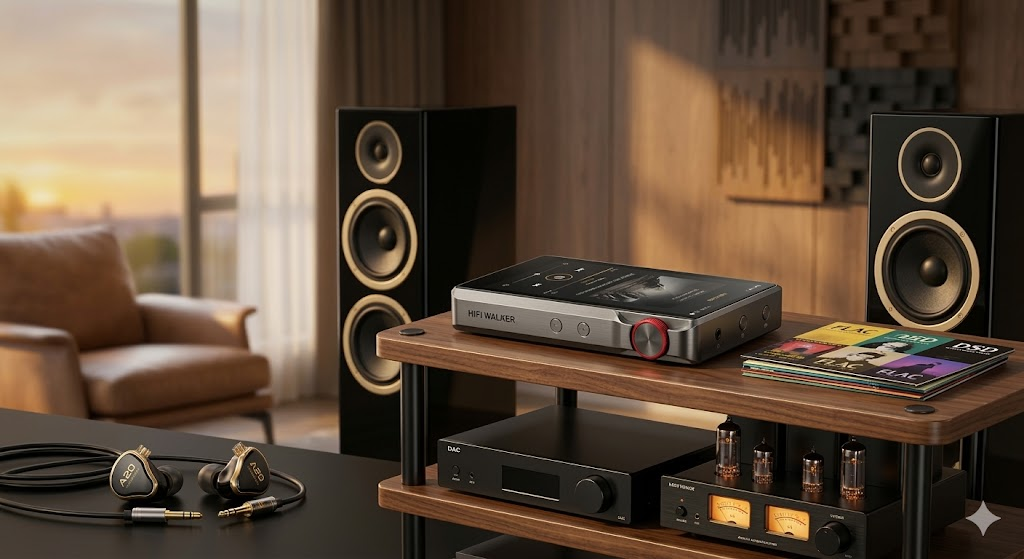
- The Chain: A true system requires a lossless source, a dedicated DAC, and high-performance output equipment.
- Beyond the Phone: Dedicated DAPs integrate the DAC and Amp to bypass smartphone hardware limitations.
🛒 Begin Your Hi-Fi Journey Today
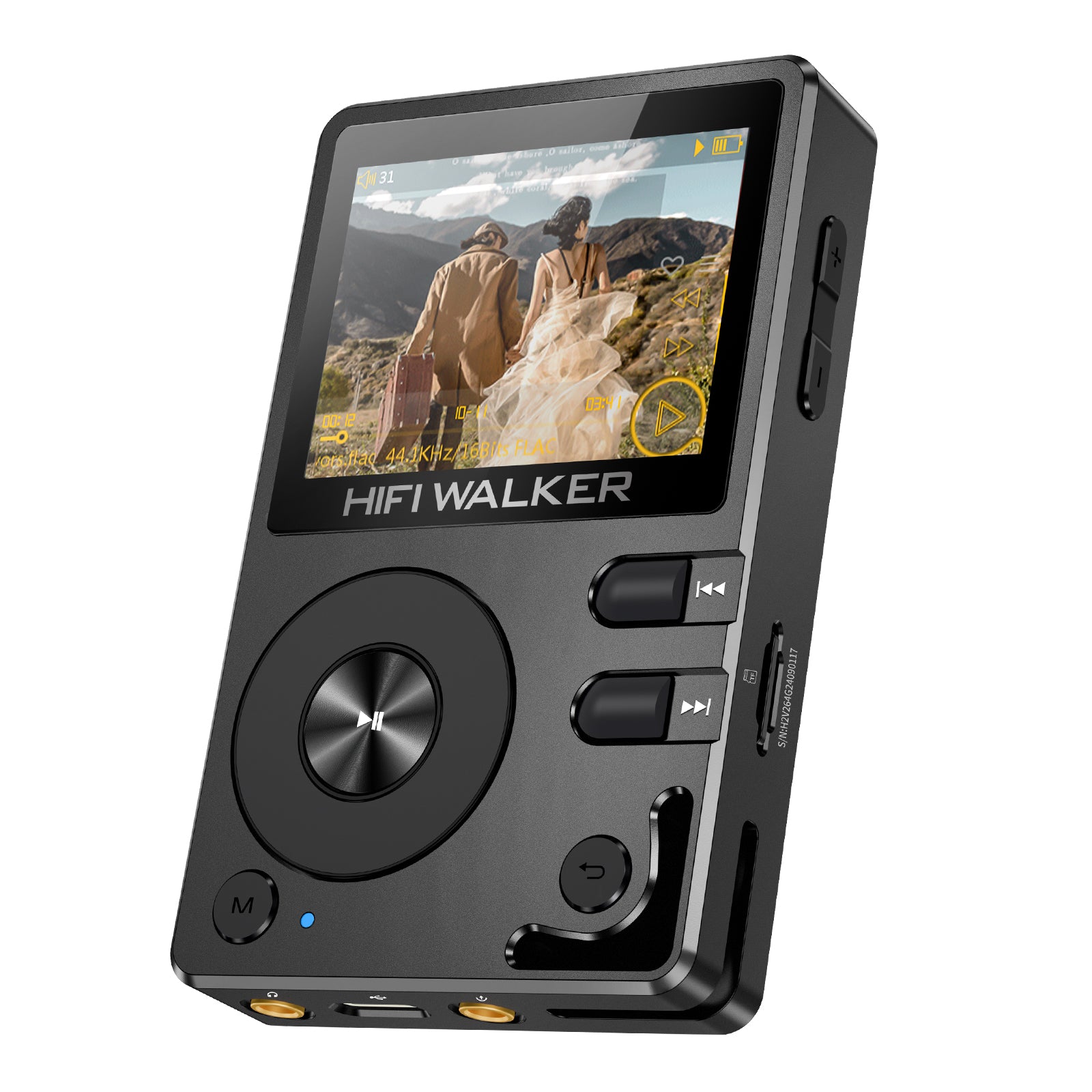
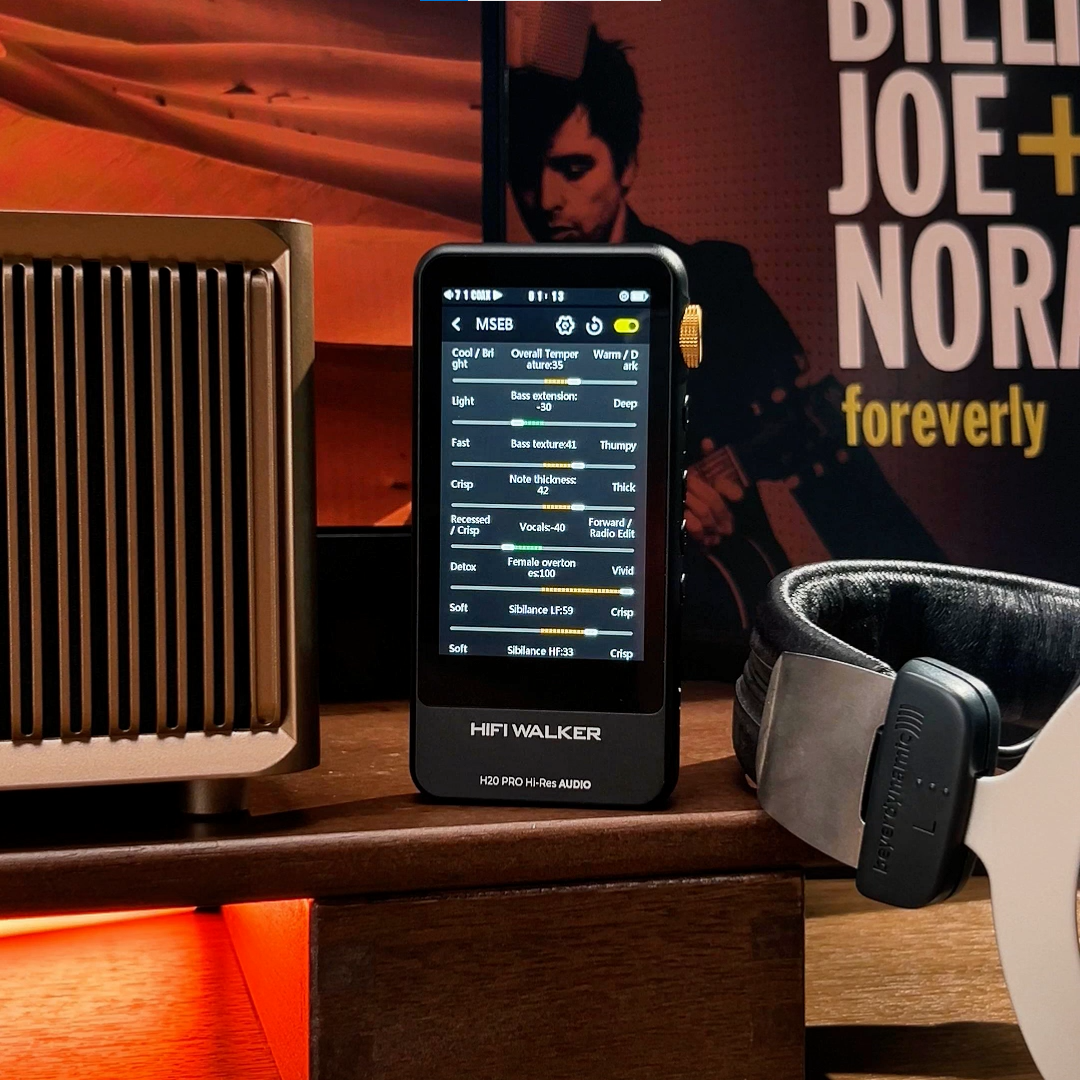
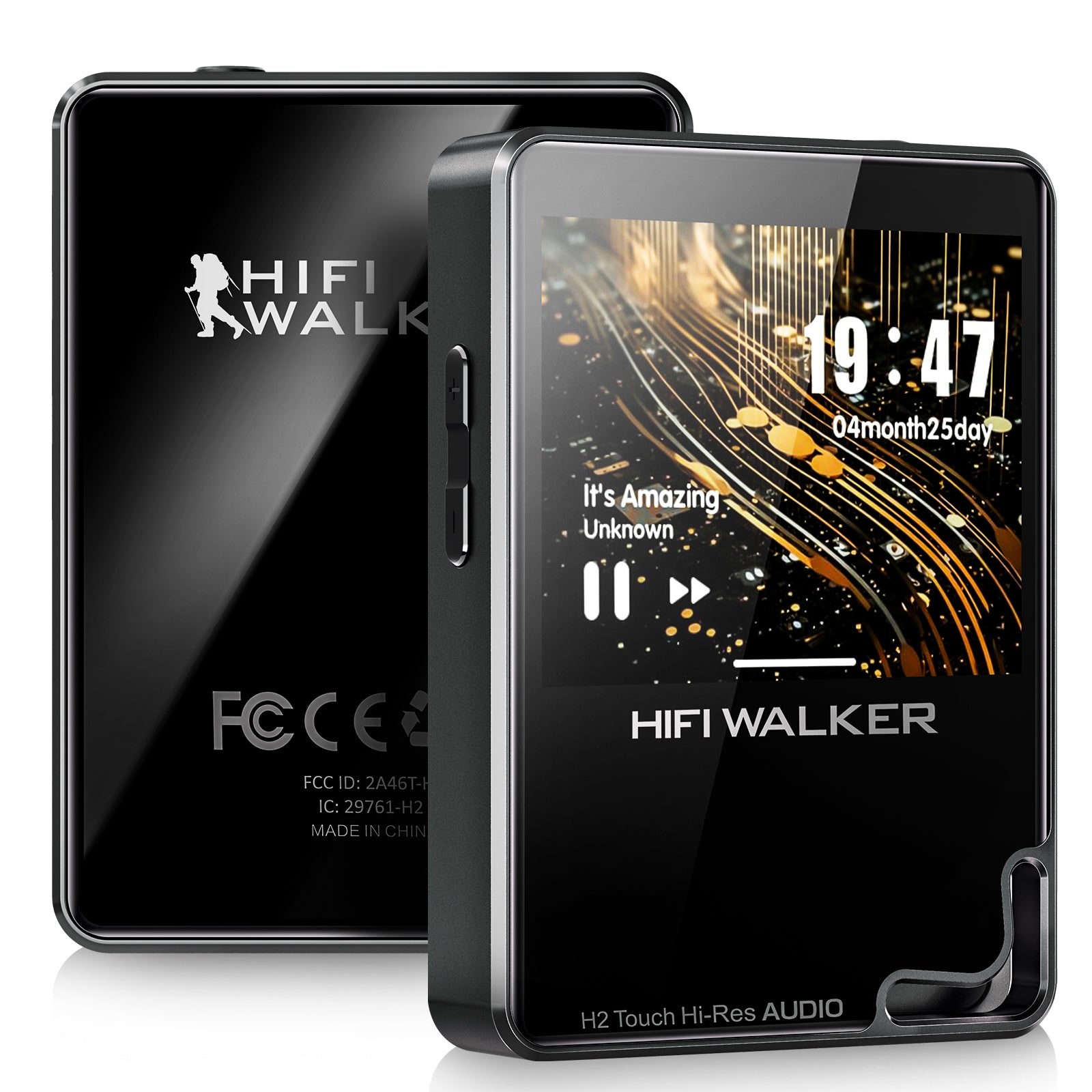
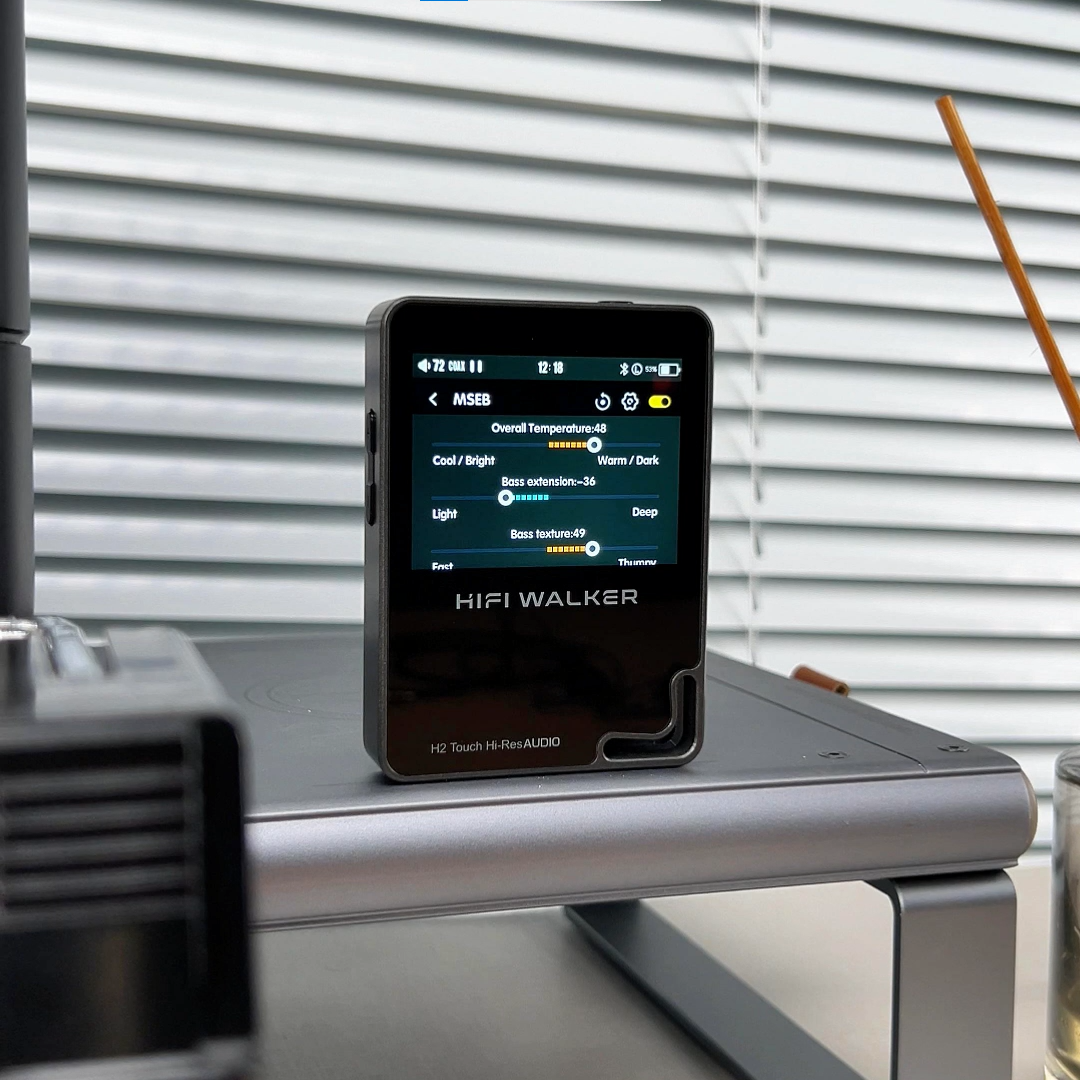
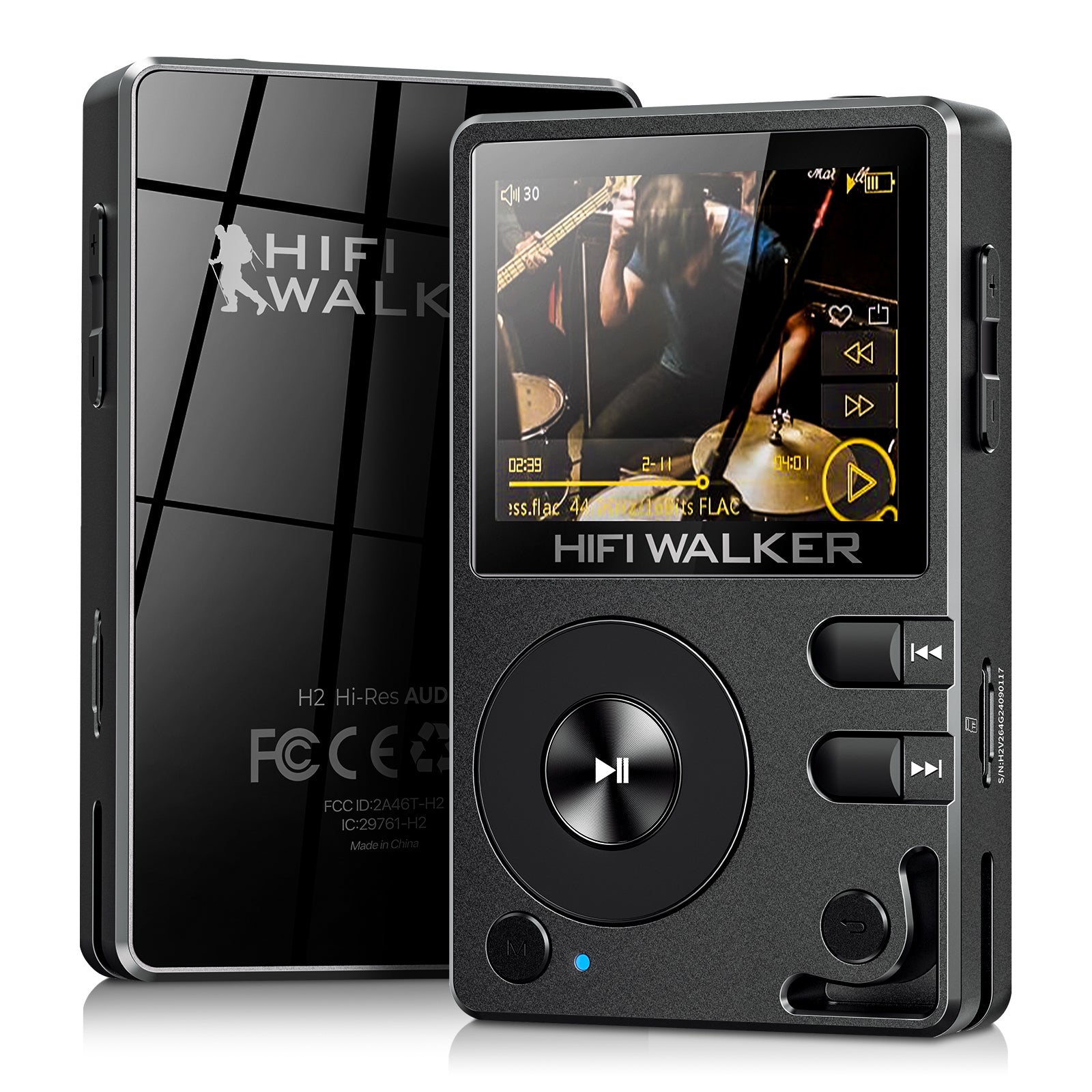
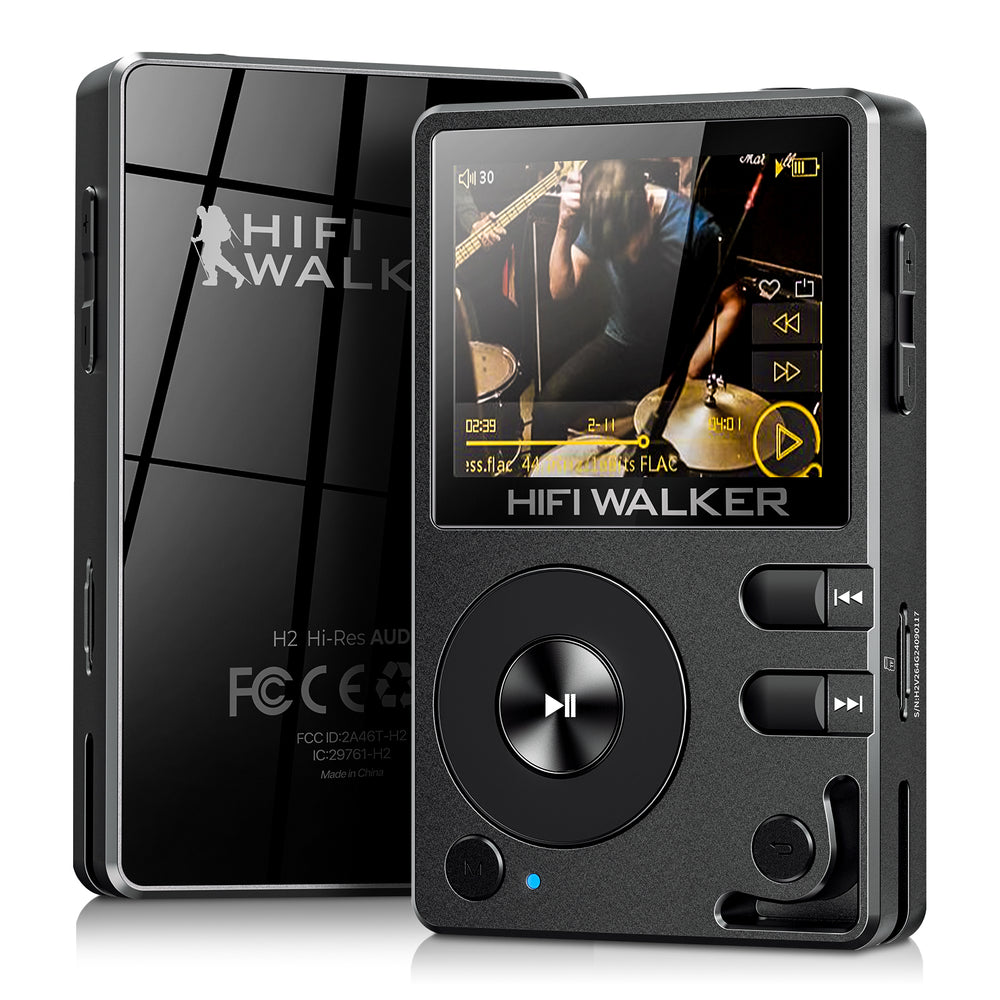
HIFI WALKER H2 (Hi-Res Certified / CNC Metal / Burr-Brown DAC)
Get the Starter Kit: H2 →In an era of convenience, most of us listen to music as background noise through compressed MP3s and mass-market earbuds. But is that what the artist intended? Hi-Fi (High Fidelity) is the pursuit of sonic truth—reproducing sound with such precision that it sounds exactly like the original studio session. This 2026 guide breaks down how a true Hi-Fi system works and how you can build a professional-grade setup without the high-end price tag.
This article encompasses key content points, including:
- ➤ 1. The Three Pillars: What Makes a System "Hi-Fi"?
- ➤ 2. The Heart of High Fidelity: Understanding the DAC
- ➤ 3. Powering the Experience: Amplification and Drive
- ➤ 4. Starter Setup: Building Your First System under $200
- ➤ 5. Hi-Fi on the Go: Can a DAP be a Full System?
- ➤ 6. PC Upgrade: The DAP as an External Desktop DAC
- ➤ 7. FAQ: Top 5 Questions About Hi-Fi Audio
1. The Three Pillars: What Makes a System "Hi-Fi"?
To understand what is a hi fi system, we must look at it as a chain of physical integrity. In a standard consumer setup—like a smartphone paired with wireless buds—audio data is aggressively discarded to facilitate streaming speeds. A Hi-Fi system, by contrast, is a dedicated architecture designed to preserve that data. It relies on three fundamental pillars:
- The Source: High-fidelity starts with the raw material. You need Lossless Codecs like FLAC or DSD that preserve the harmonic information standard MP3s strip away.
- The Brain (DAC): The Digital-to-Analog Converter translates digital data into electrical waves. Consumer devices use multi-purpose chips that introduce noise; Hi-Fi systems use dedicated high-performance DACs.
- The Voice (Output): High-resolution headphones or speakers. Without an output device capable of fast transient response and wide frequency range, the purity of the source is lost.
2. The Heart of High Fidelity: Understanding the DAC
Why do smartphones sound "thin" or "sterile"? Most mobile devices use cheap chips crammed next to noisy Wi-Fi antennas and cellular modems, resulting in a high noise floor. A true Hi-Fi system utilizes **Sabre DAC quality** chips or Burr-Brown processors to isolate the audio signal and eliminate Jitter (timing errors). This creates a "Black Background"—a total absence of electronic hiss between notes, allowing the emotional depth of the music to emerge.
3. Powering the Experience: Amplification and Drive
The "Amplifier" stage is where electricity moves the heavy drivers of your headphones. Standard phone jacks lack the voltage swing to drive high-impedance audiophile headphones properly, resulting in muffled sound and weak bass response. A Hi-Fi system provides clean, high-current power that ensures dynamic peaks—like a sudden drum hit—remain impactful and distortion-free.
4. Starter Setup: Building Your First System under $200
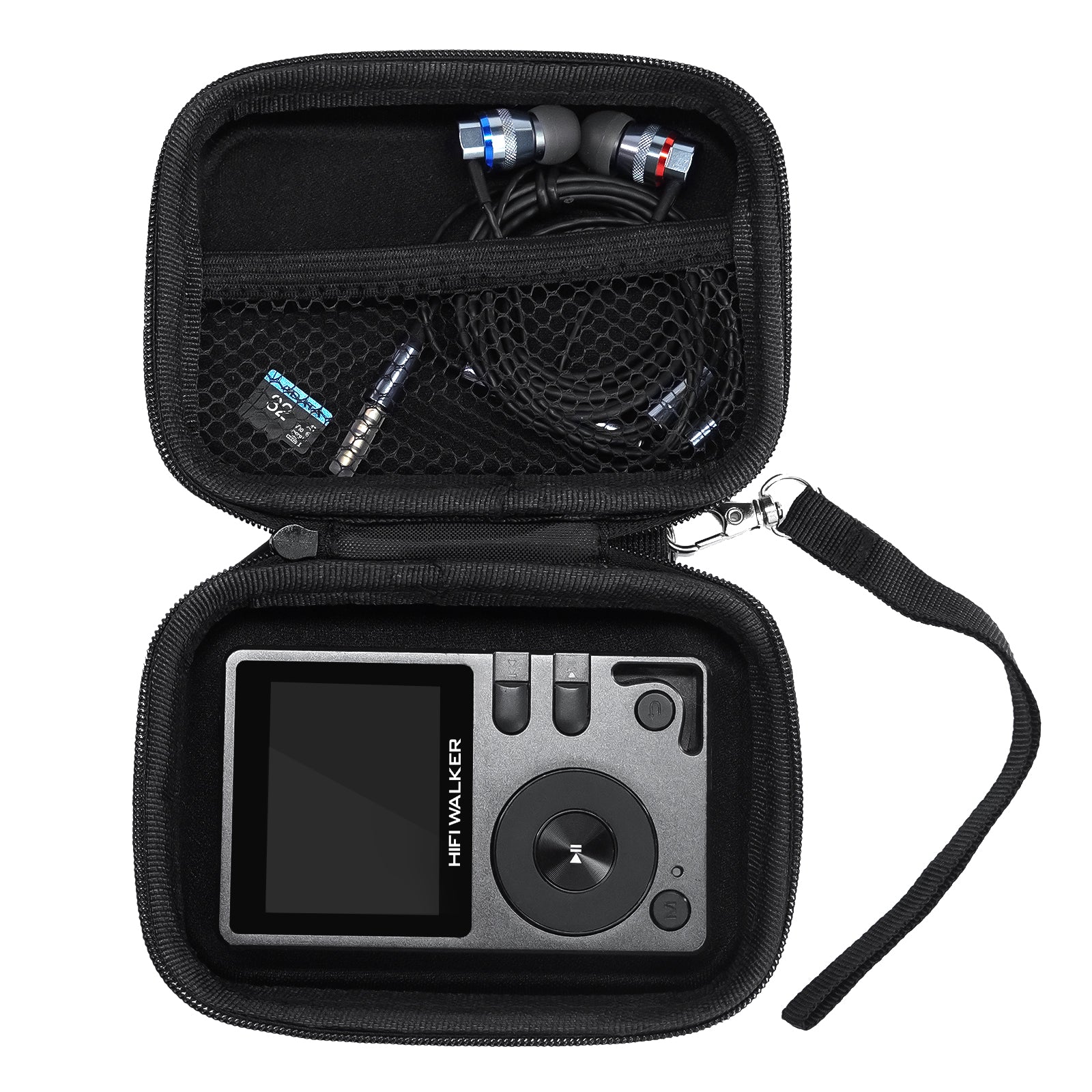
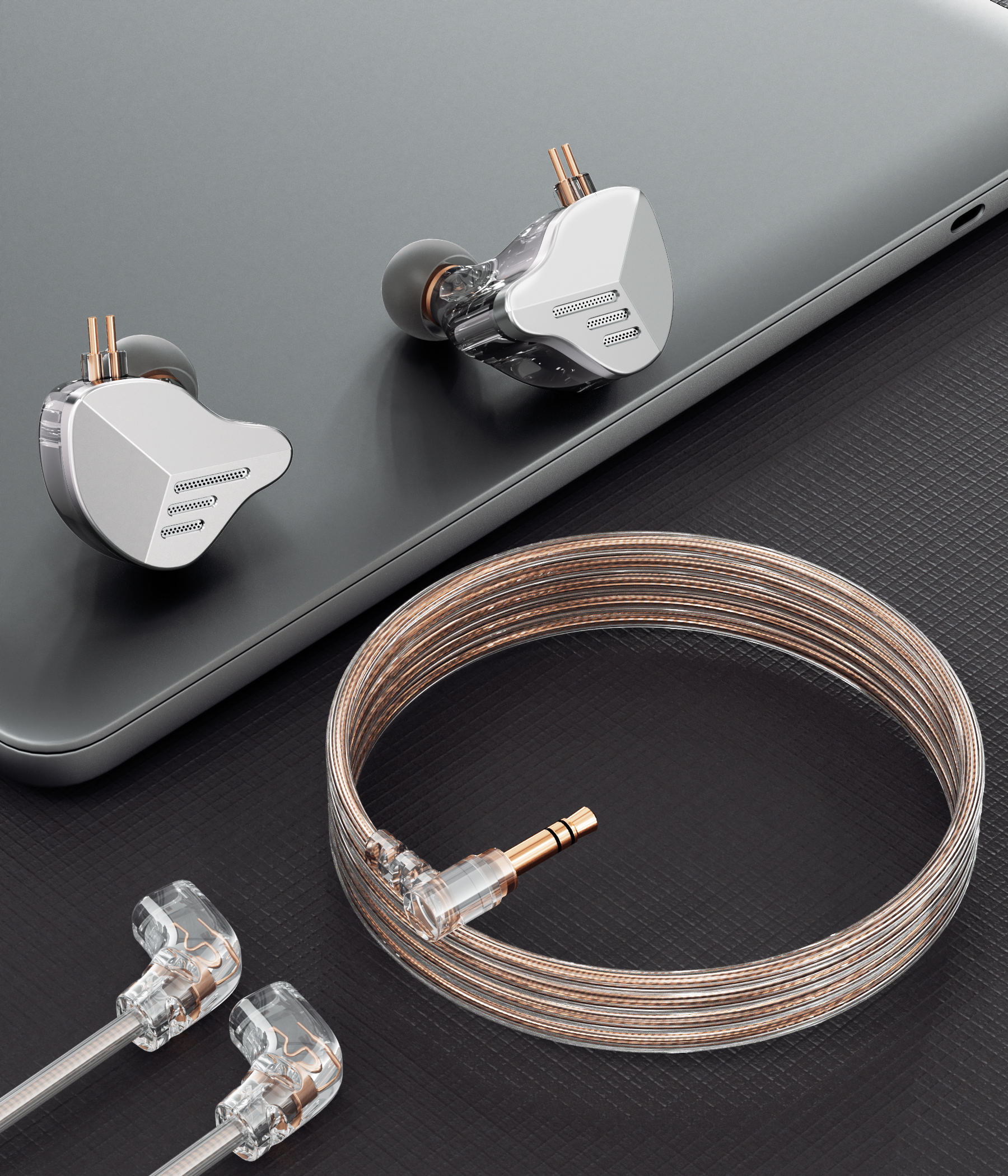
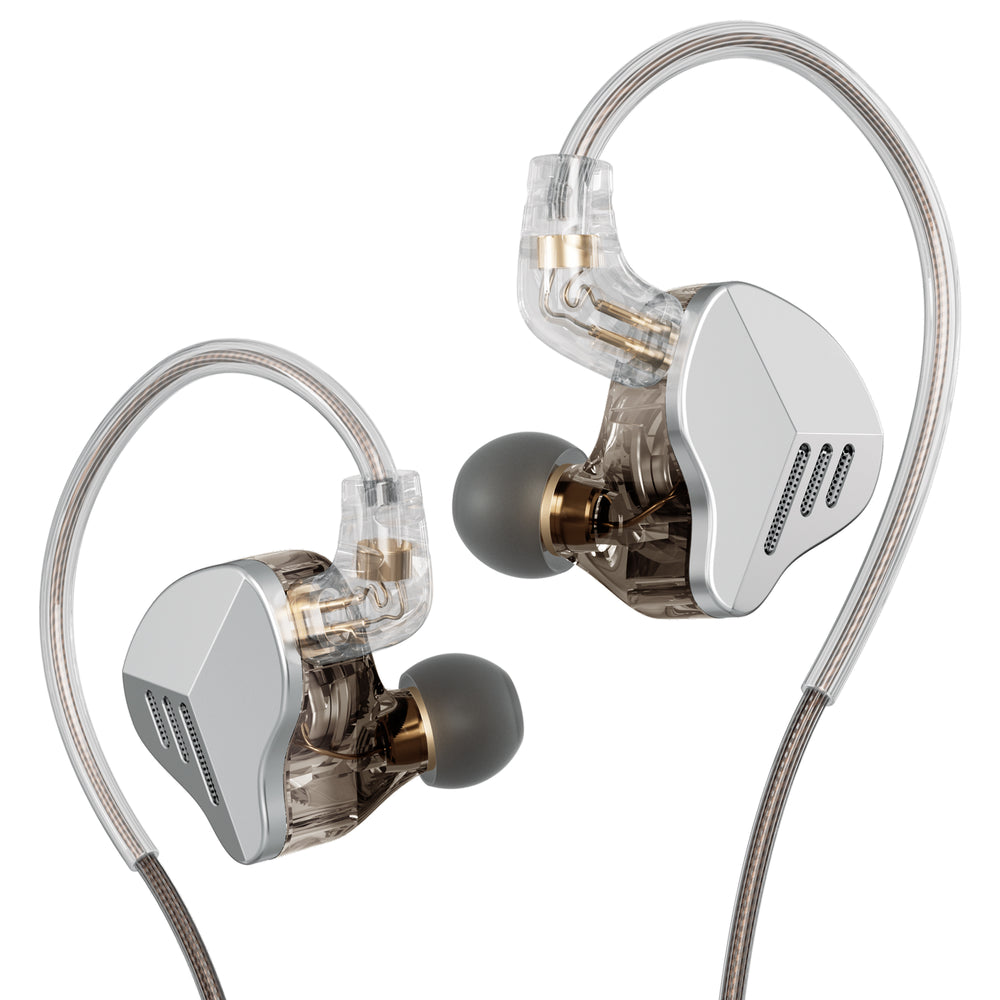
In 2026, building an audiophile setup is more accessible than ever. A dedicated Digital Audio Player (DAP) replaces your smartphone as the dedicated source and DAC. Pair it with high-sensitivity wired earphones and a library of FLAC files on a MicroSD card to bypass the compressed "fog" of streaming.
5. Hi-Fi on the Go: Can a DAP be a Full System?
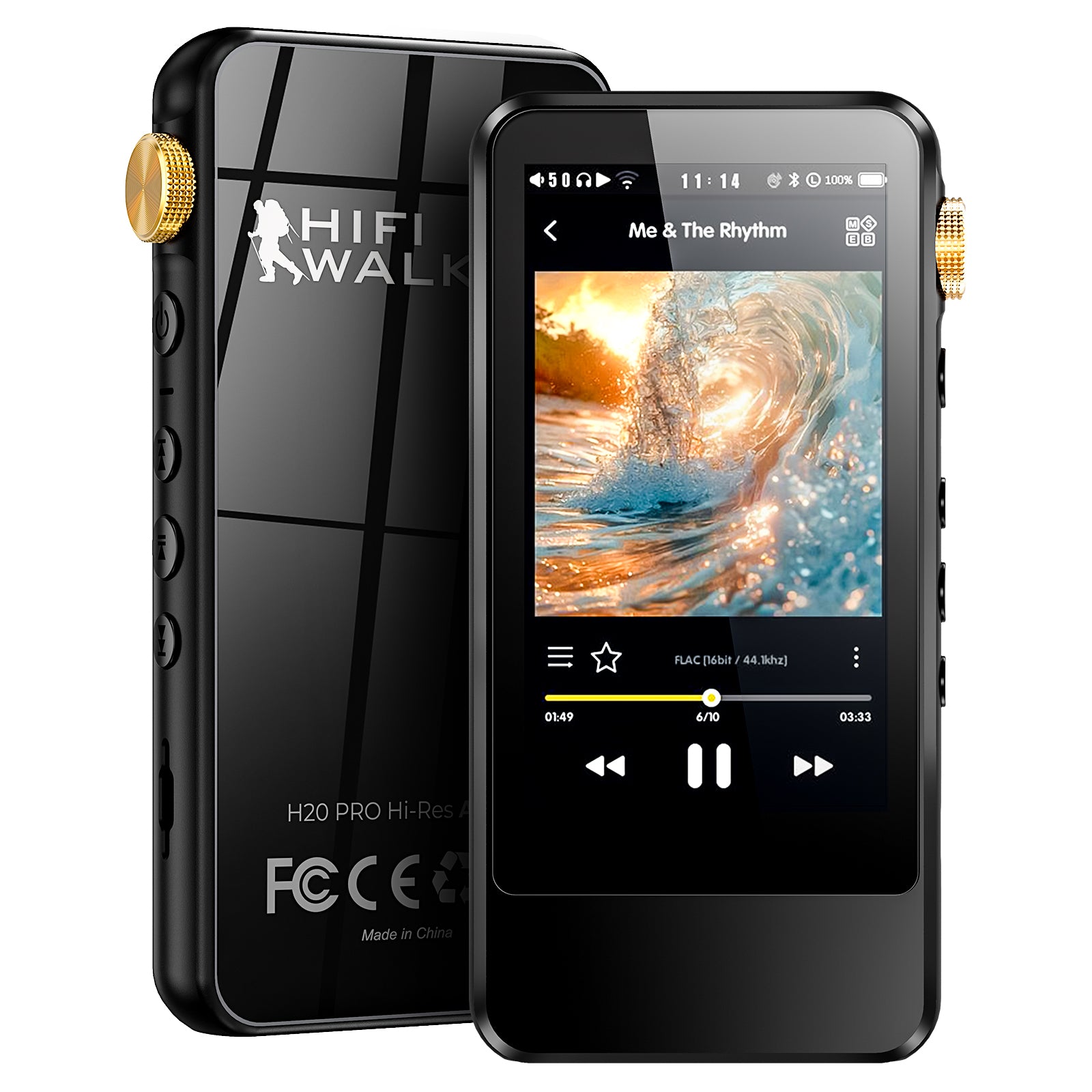
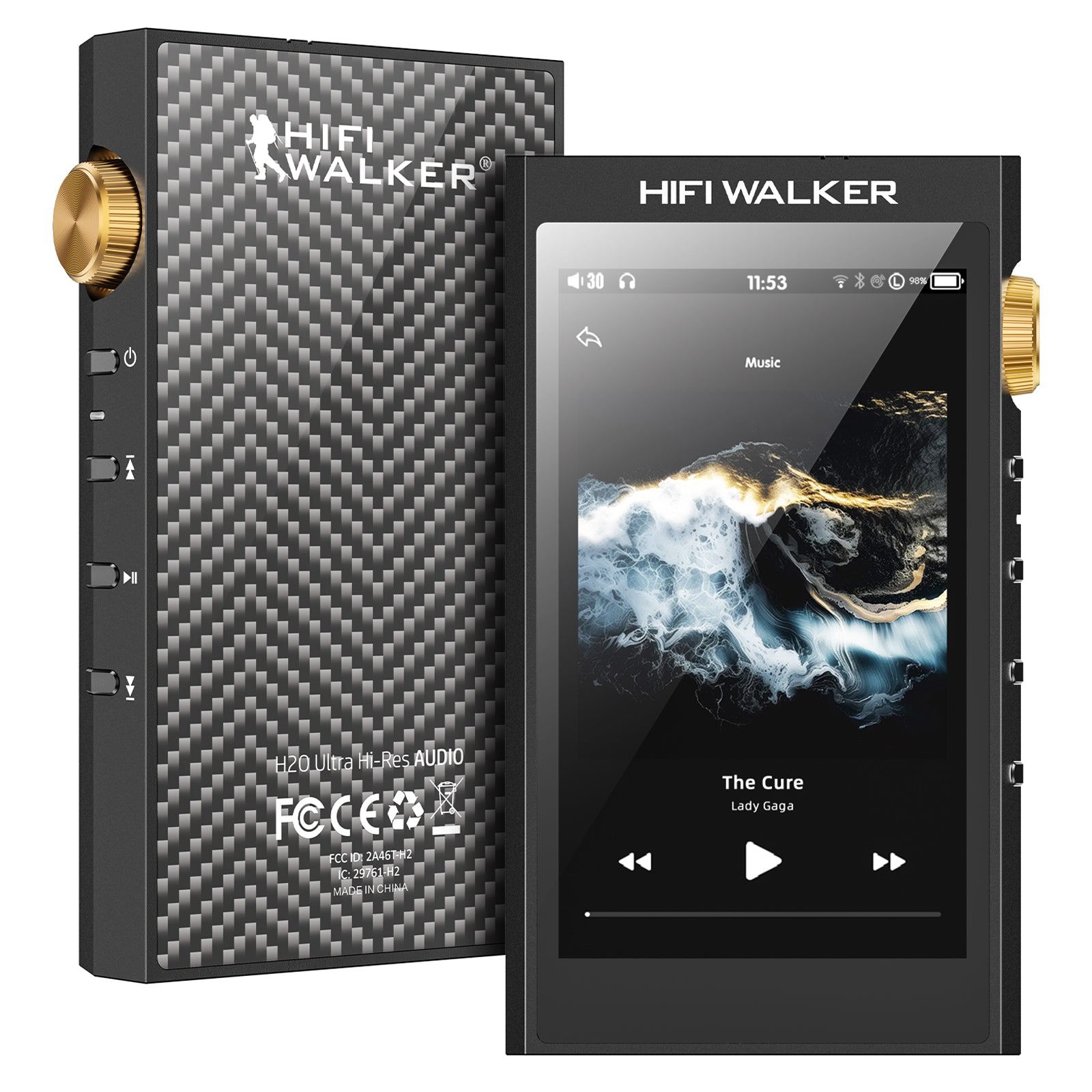
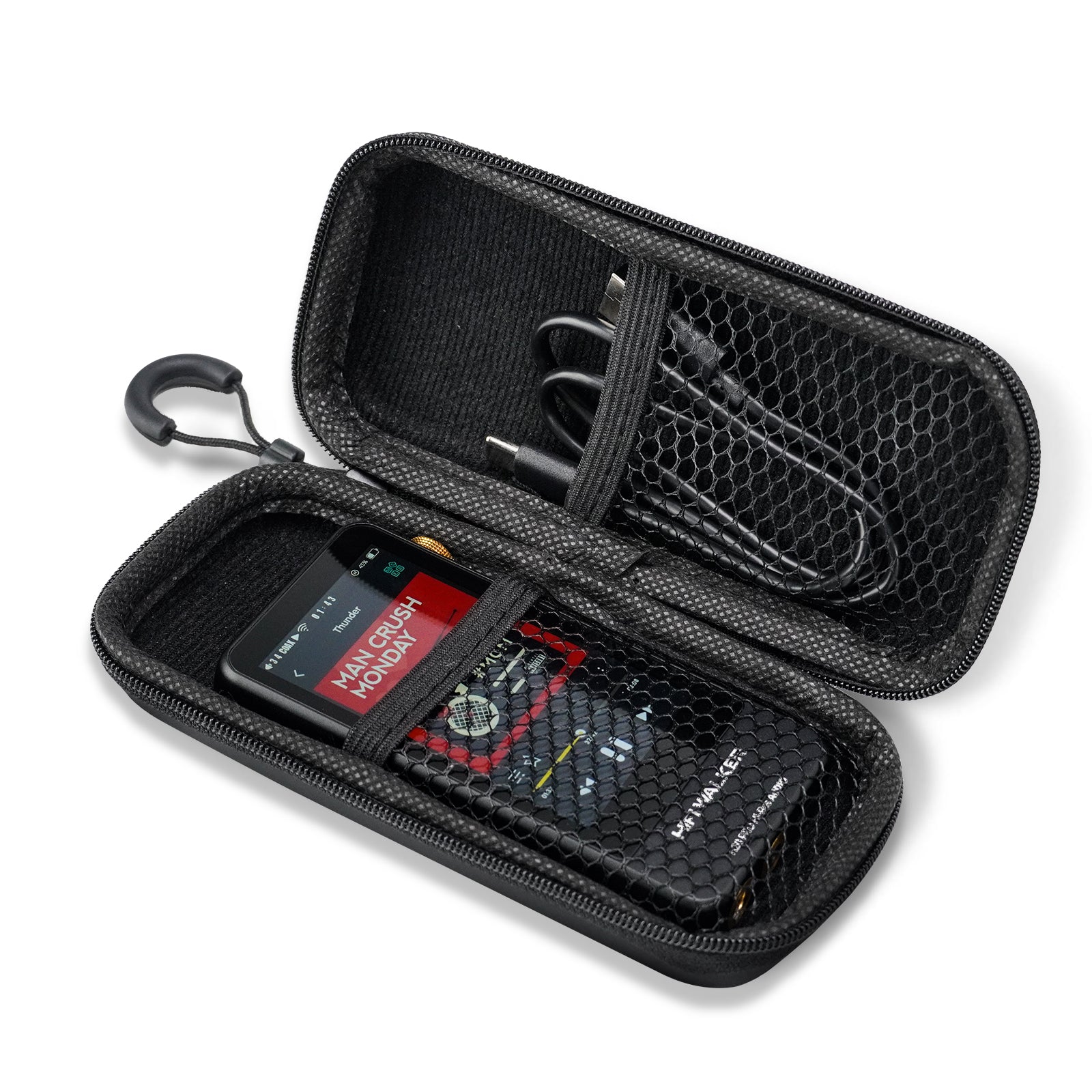
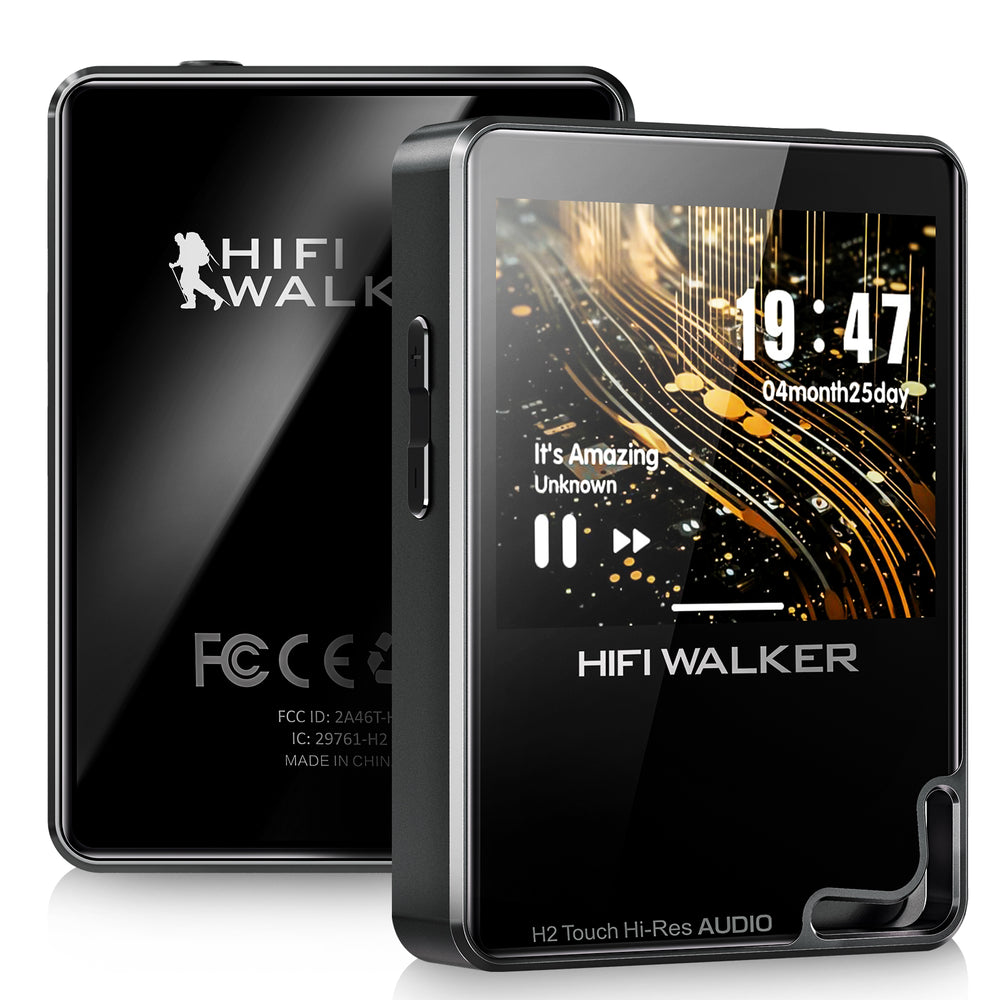
Modern technology has condensed a massive rack of audiophile equipment into a device that fits in your palm. A DAP is an integrated Hi-Fi system: it serves as the storage, the processor, and the power stage. By using a dedicated device, you remove cellular interference and notification pings that ruin the experience on a smartphone.
6. PC Upgrade: The DAP as an External Desktop DAC
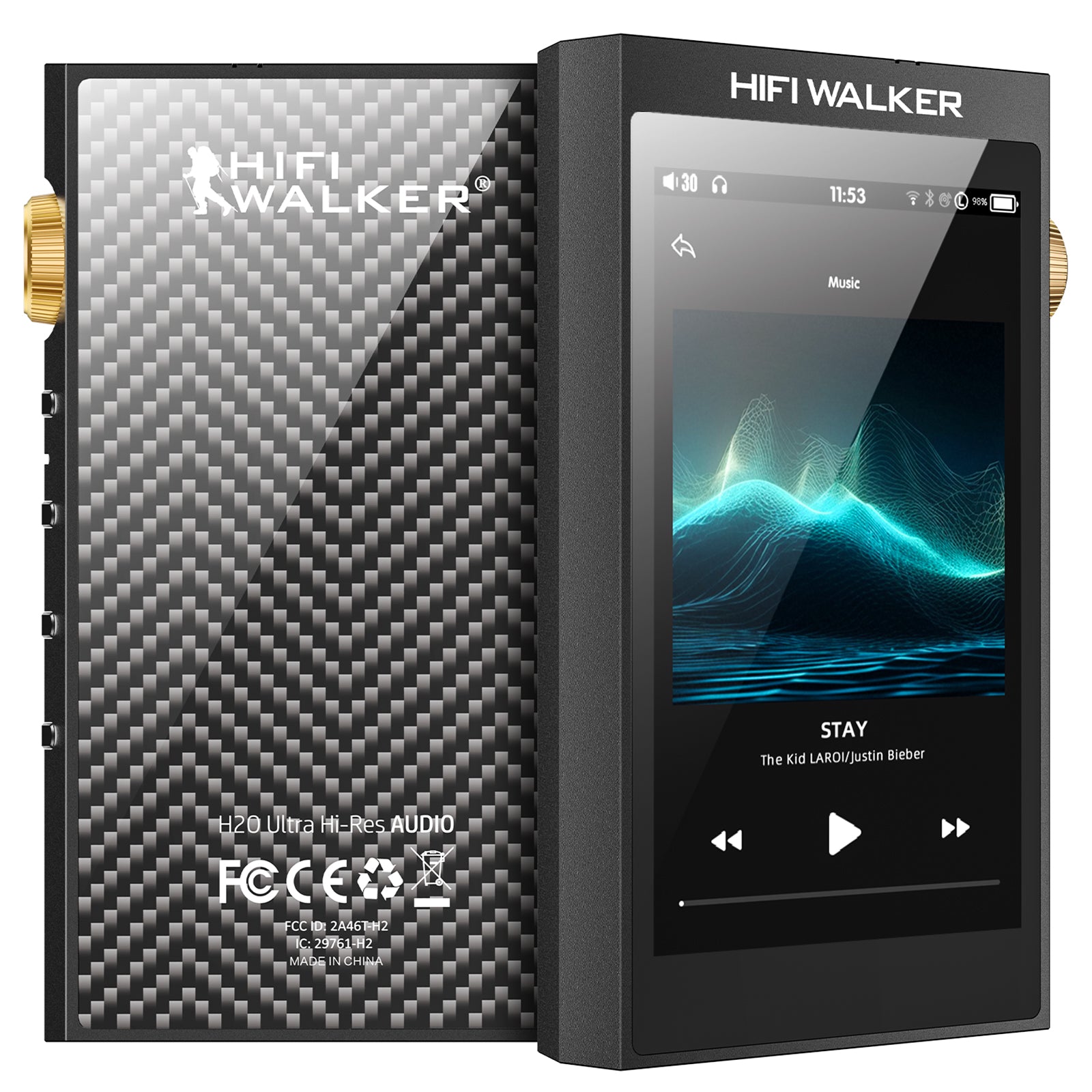
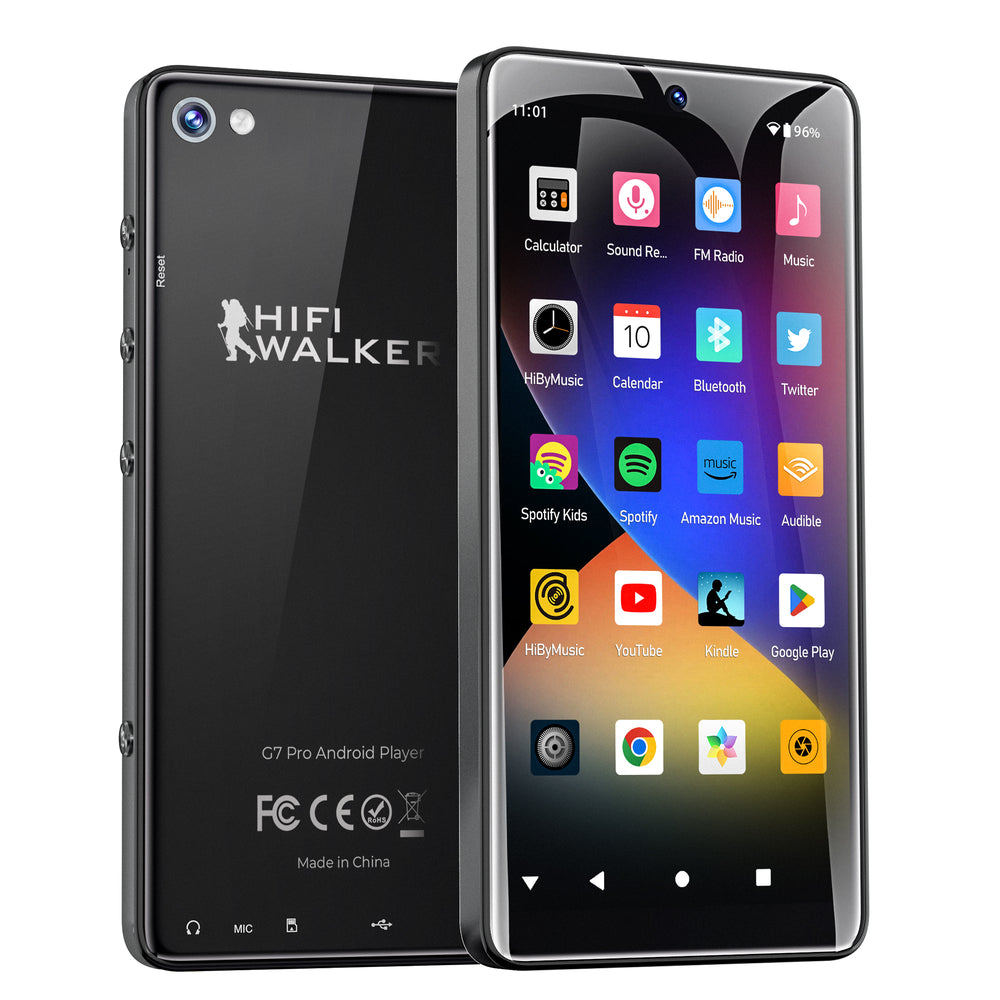
Most HIFI WALKER players function as an External DAC for laptop use. By connecting via USB, you bypass your computer's noisy internal sound card, instantly transforming your workstation into a high-fidelity listening station.
7. FAQ: Top 5 Questions About Hi-Fi Audio
Q1: Can I really hear the difference if I'm not an expert?
A: Yes. Most listeners notice "instrument separation" immediately—the ability to hear the space between individual musicians rather than a "wall of noise."
Q2: Is Bluetooth considered Hi-Fi?
A: Standard Bluetooth is not. However, players like the H2 support aptX HD, which delivers near-lossless performance for high-end wireless headphones.
Q3: How much storage do I need for a Hi-Fi library?
A: Lossless files are large. We recommend expandable storage up to 512GB to carry a extensive library of DSD and FLAC tracks.
Q4: Does "Hi-Fi" only mean playing music louder?
A: No. It means playing music with higher dynamic range. You get more detail at lower volumes without the muddy distortion found in cheap electronics.
Q5: Can I use a Hi-Fi DAP with my car's audio system?
A: Yes. Connecting via a high-quality "Line Out" bypasses your car's mediocre processing, using the player's superior DAC to drive the speakers.