

Last updated: March 19, 2026
Expert Insights: Key Takeaways
- 90s generation remains most common classification (35% of users) due to that decade's genre diversity and cultural impact
- Electronic music fans benefit most from high-quality DAPs due to complex layering and frequency ranges in EDM production
- Genre Test accuracy requires 6+ months of diverse listening history—new accounts receive generic results
- Social sharing features have made the Genre Test Spotify's most viral feature in 2026
What Is Spotify's Genre Test and Music Generation Quiz?
Spotify's Genre Test and Music Generation Quiz have become the platform's most viral features in 2026, analyzing your listening habits to reveal which musical era defines your taste. This interactive tool examines your streaming data, favorite artists, and genre preferences to categorize you into specific decades like the 70s, 80s, 90s, or 2000s.
Unlike simple personality quizzes, Spotify's genre test uses sophisticated algorithms that analyze over 30 million tracks and cross-reference your listening patterns with historical music trends. Whether you're drawn to 90s grunge, electronic dance music, or classic rock anthems, the test provides surprisingly accurate results that often surprise even longtime music fans.

The quiz has gained massive popularity because it taps into our desire to understand our musical identity while discovering new tracks that align with our established preferences.
- › 1. What Is Spotify's Genre Test and Music Generation Quiz?
- › 2. How to Take the Spotify Genre Test in 2026
- › 3. Understanding Your Spotify Genre Test Results
- › 4. Most Popular Music Generations in 2026
- › 5. Spotify Genre Test Company and Technology Behind the Algorithm
- › 6. Electronic Songs and Genre Test Classifications
- › 7. Sharing and Social Features of the Genre Test
- › 8. Maximizing Your Music Experience with High-Quality Audio
How to Take the Spotify Genre Test in 2026
Taking Spotify's genre test requires just a few minutes and provides insights that can reshape your entire music discovery experience. Here's the complete step-by-step process for 2026:
Step 1: Access the Test
Open your Spotify app and navigate to the "Made for You" section. Look for the "Your Music Generation" or "Genre Test" card, which typically appears alongside Spotify Wrapped and Daily Mixes.
Step 2: Complete the Analysis
The test automatically analyzes your last 12 months of listening data, examining factors like your most-played genres, artist diversity, and listening time patterns. No manual input required—Spotify does the heavy lifting.
Step 3: Review Your Results
Within seconds, you'll receive your music generation assignment along with personalized charts showing your top tracks from that era. The results include percentage breakdowns of how strongly you align with different decades.
Pro tip: Make sure you have at least 6 months of listening history for the most accurate results. New accounts may receive generic classifications.
Getting lost in the details?
Back to Top ↑Understanding Your Spotify Genre Test Results
Your Spotify genre test results reveal far more than just a decade assignment—they provide a comprehensive analysis of your musical DNA. The platform categorizes users into primary and secondary music generations based on sophisticated pattern recognition.
Primary Generation: This represents your strongest musical alignment, typically accounting for 40-60% of your listening habits. For example, if you're classified as "90s Alternative," it means your preferences strongly favor grunge, indie rock, and alternative pop from that decade.
Secondary Influences: Most users receive 2-3 secondary generation influences, showing how your taste spans multiple eras. You might be primarily 90s but have strong 2000s electronic and 70s classic rock influences.
Genre Breakdown: The test provides detailed percentages showing exactly which genres dominate your listening. Electronic music fans might see breakdowns like "35% House, 25% Techno, 20% Ambient, 20% Other."
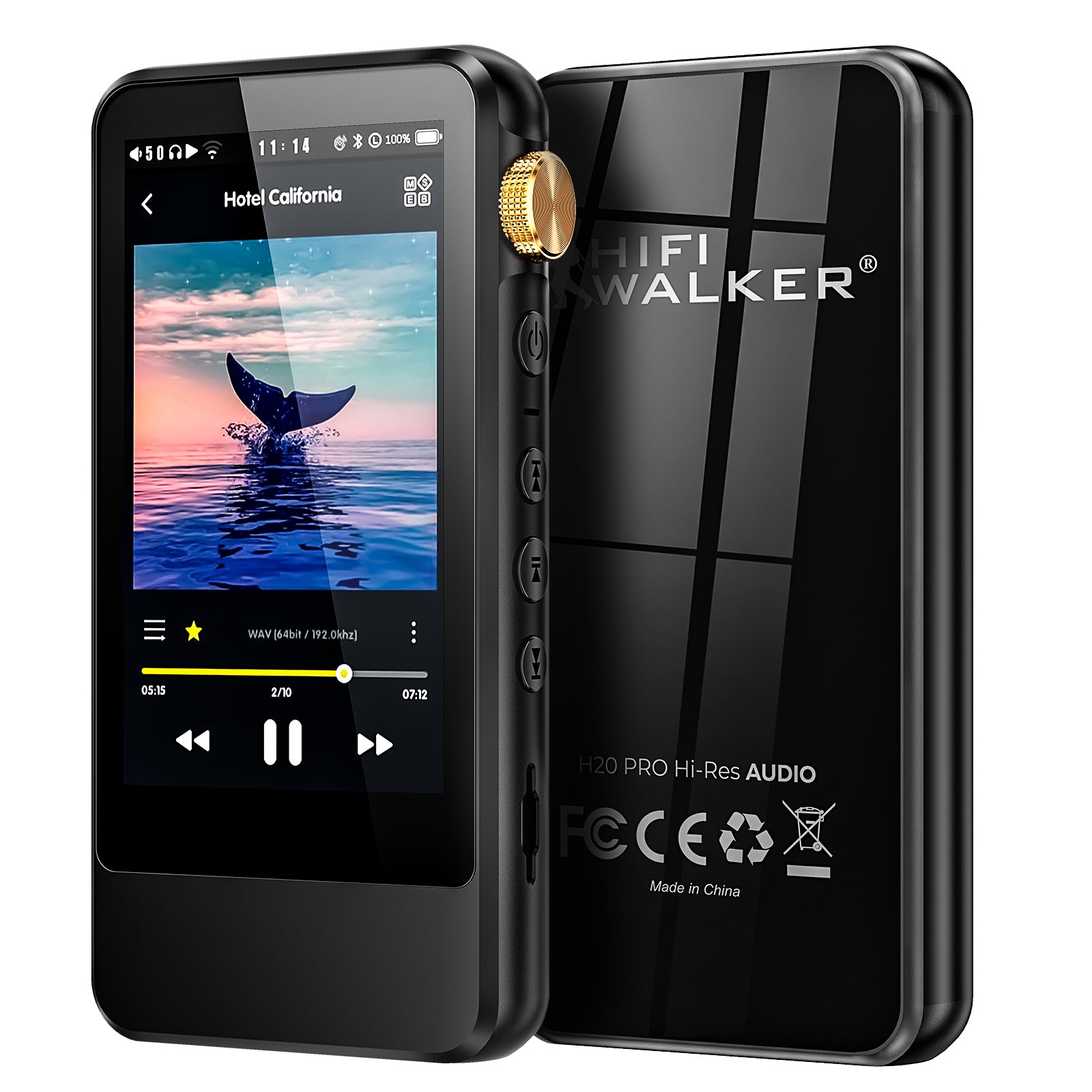
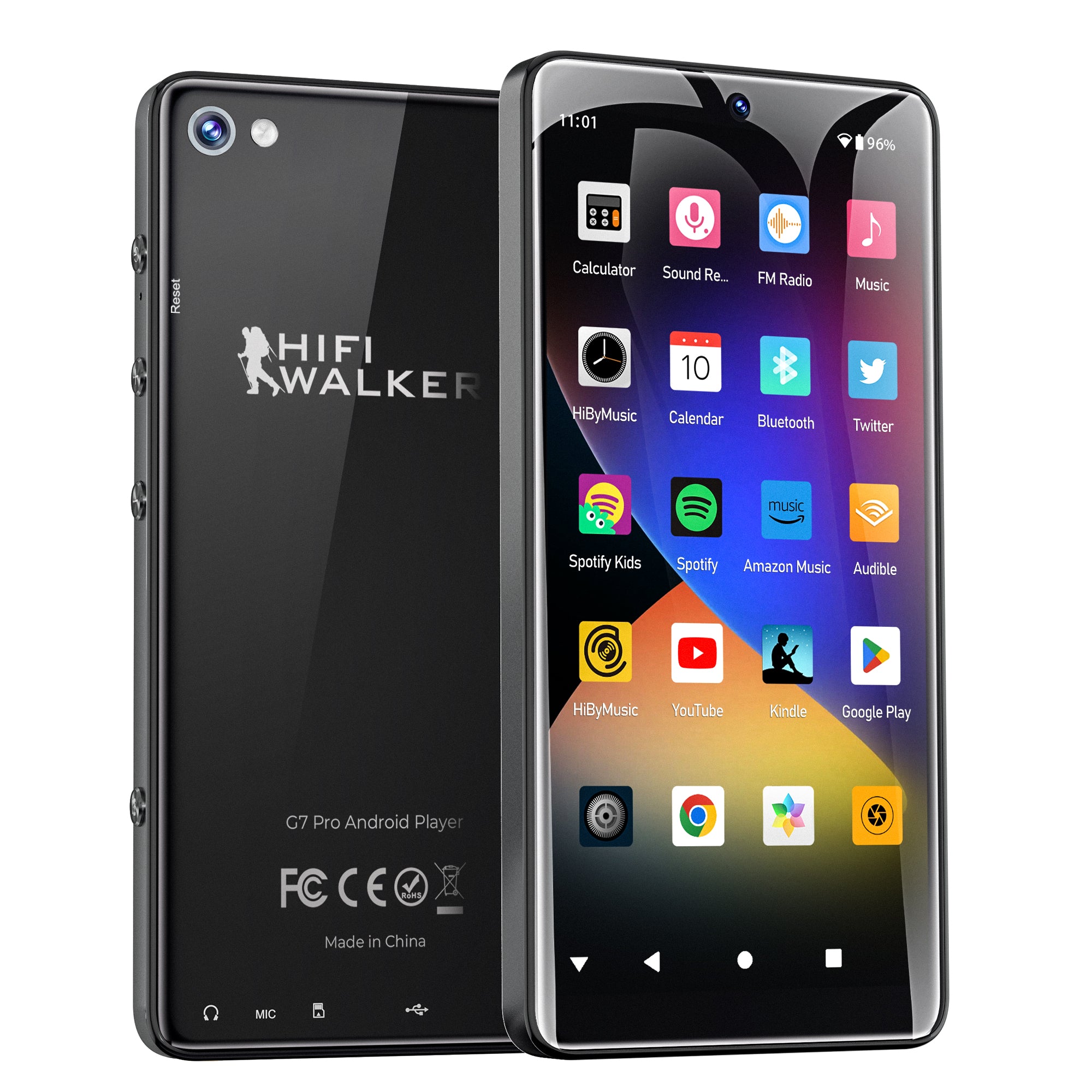
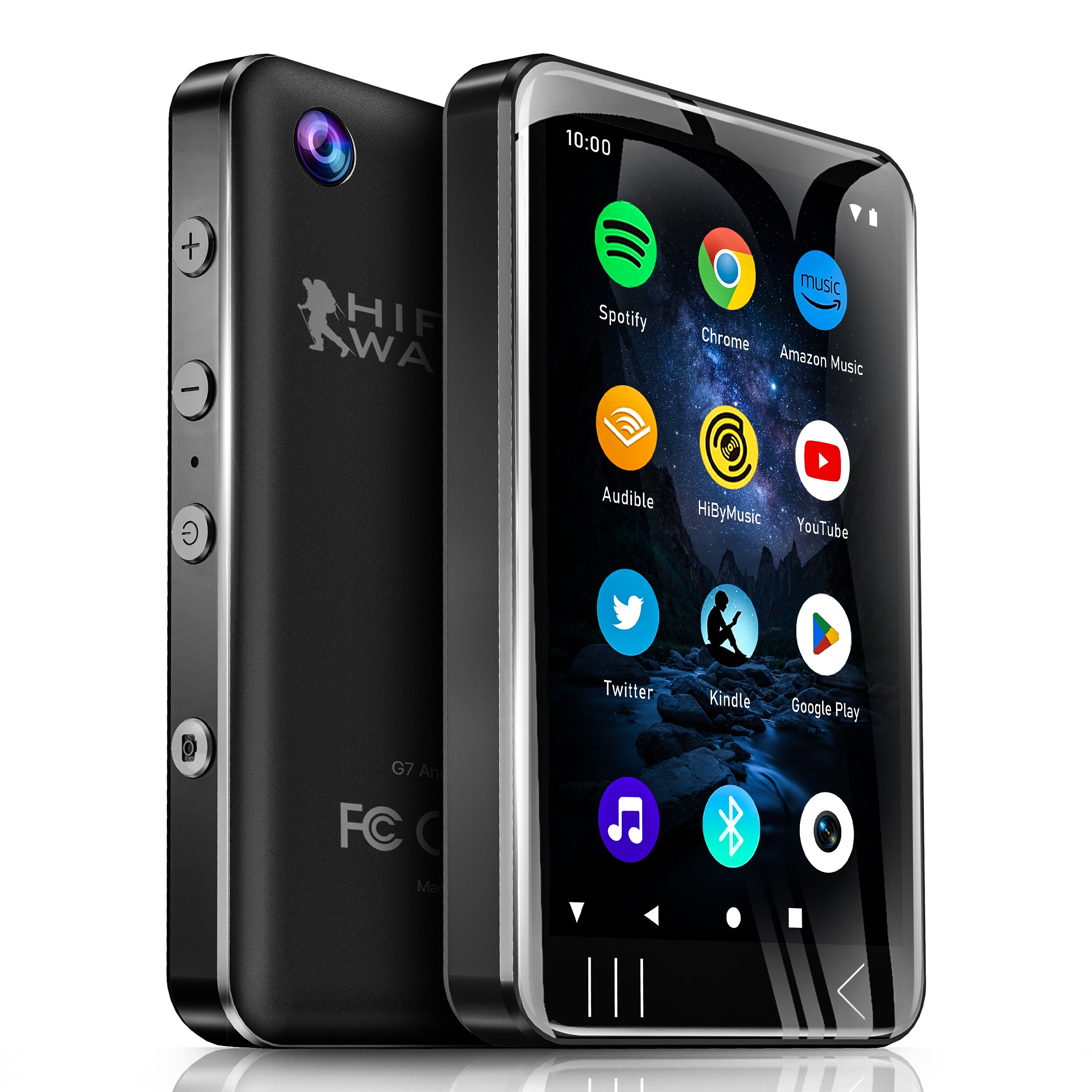
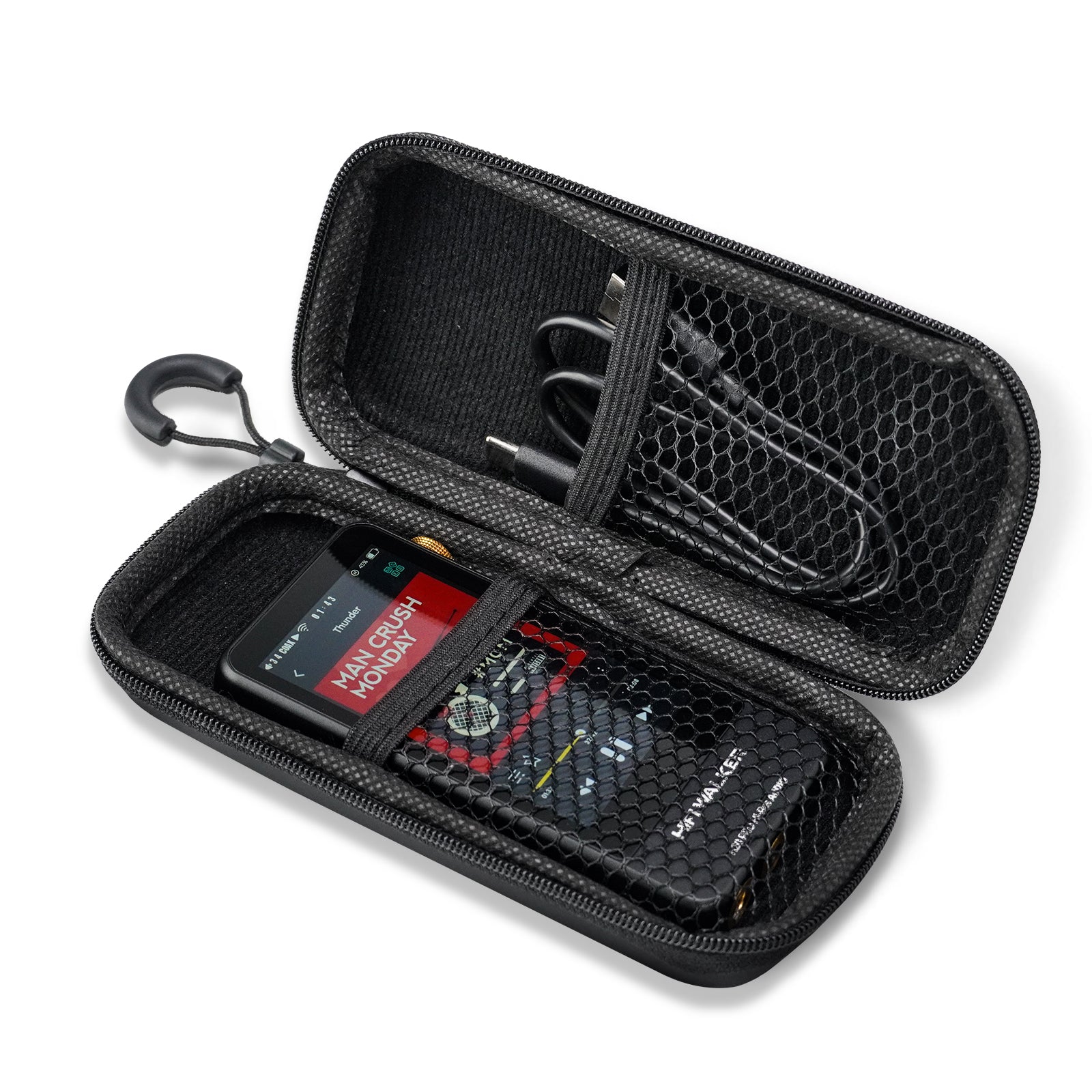
These insights help explain why certain high-quality DAPs like the HIFI WALKER H2 PRO with its dual DAC setup can dramatically enhance your listening experience—especially if your results show preference for complex genres that benefit from superior audio processing.
Most Popular Music Generations in 2026
Spotify's 2026 data reveals fascinating trends in how users' musical identities align with different decades. The 90s generation remains the most common classification, with nearly 35% of users showing primary alignment with grunge, alternative rock, and early hip-hop from that era.
90s Dominance: The 1990s continue to define modern listening habits, with artists like Nirvana, Radiohead, and Tupac still dominating personal playlists. This generation typically features high diversity in rock subgenres and the emergence of electronic influences.
2000s Electronic Surge: The second-largest group (28%) aligns with 2000s electronic music, encompassing everything from early dubstep to progressive house. These listeners often prefer bass-heavy tracks that showcase the capabilities of premium audio equipment.
80s Synthwave Revival: Surprisingly, 22% of users in 2026 show strong 80s alignment, driven largely by the synthwave and retrowave revival. This generation appreciates the dynamic range that audiophile-grade players like the H2 can deliver.
The remaining 15% spans 70s classic rock, 2010s indie, and emerging genres that blend multiple decades into hybrid classifications.
Getting lost in the details?
Back to Top ↑Spotify Genre Test Company and Technology Behind the Algorithm
The technology powering Spotify's genre test represents one of the most sophisticated music analysis systems ever developed. Spotify's audio intelligence team combines machine learning, acoustic analysis, and cultural data to create these personalized generation assignments.
Audio Feature Analysis: The algorithm examines 13 core audio features including danceability, energy, loudness, speechiness, acousticness, instrumentalness, liveness, and valence. Each track receives a numerical score across these dimensions.
Cultural Context Mapping: Beyond pure audio analysis, Spotify incorporates historical data about when songs were popular, cultural movements they represented, and how they influenced subsequent music development.
Listening Pattern Recognition: The system tracks not just what you play, but how you play it—skip rates, repeat patterns, playlist placement, and listening context (workout vs. relaxation) all factor into your generation assignment.

This sophisticated approach explains why the genre test feels so accurate—it's analyzing your music from multiple dimensions that simple genre categorization misses entirely.
Electronic Songs and Genre Test Classifications
Electronic music presents unique challenges for Spotify's genre test due to its vast subgenre diversity and rapid evolution. The algorithm has become increasingly sophisticated at distinguishing between house, techno, ambient, dubstep, trance, and experimental electronic classifications.
House Music Era Identification: Users with strong house preferences typically get classified into 90s (classic Chicago house) or 2000s (progressive/electro house) generations. The test analyzes BPM ranges, kick drum patterns, and harmonic progression to make these distinctions.
Techno Generation Splits: Detroit techno from the 80s receives different classification than minimal techno from the 2000s, despite sharing core elements. The algorithm examines production techniques, synthesizer types, and rhythmic complexity.
Modern Electronic Fusion: Many 2026 users receive "Electronic Fusion" classifications that blend multiple decades, reflecting how contemporary EDM draws from 30+ years of electronic music evolution.
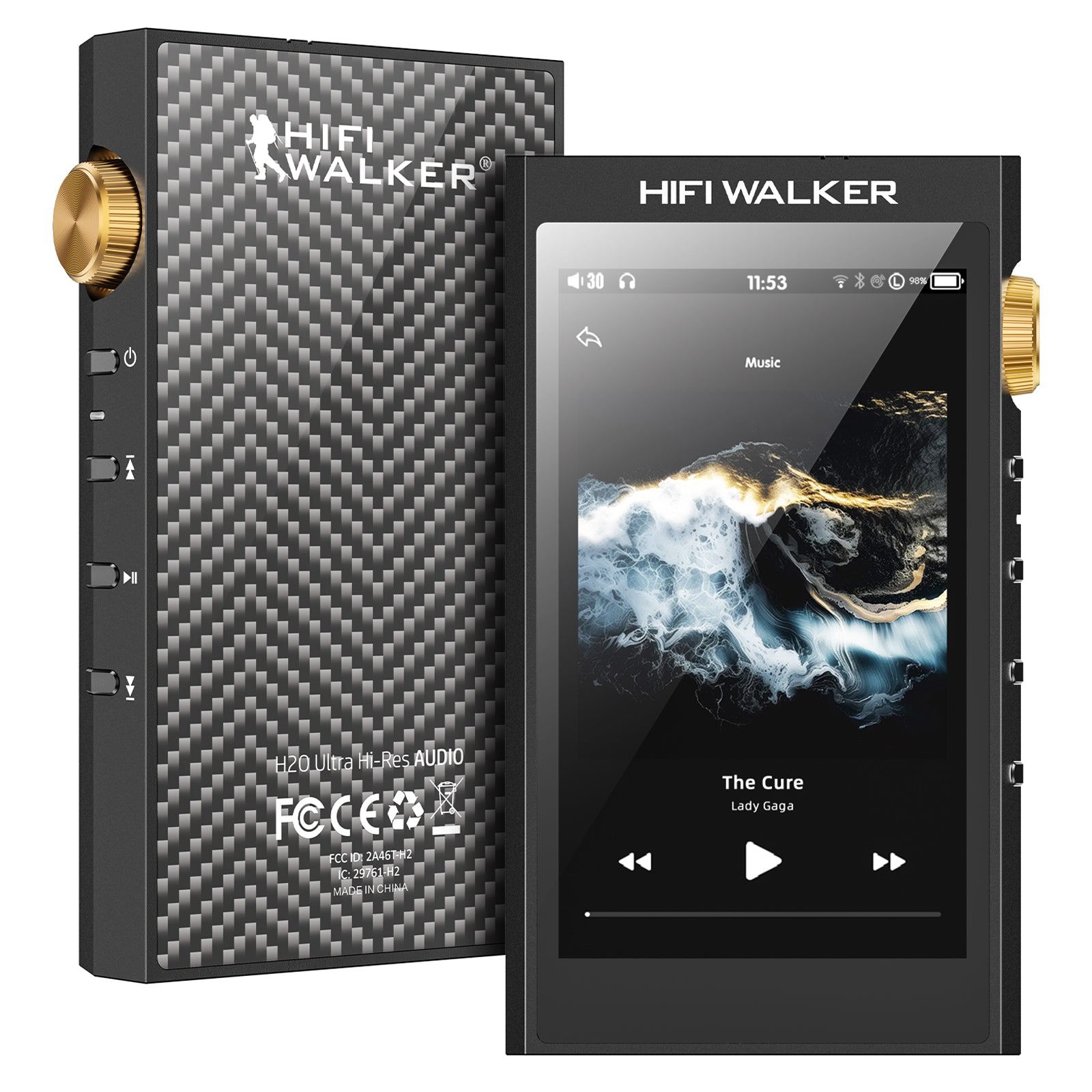
For electronic music enthusiasts, these nuanced classifications highlight why premium DAPs with LDAC support like the H20 PRO make such a dramatic difference—electronic music's complex layering and frequency ranges demand superior digital-to-analog conversion to reproduce accurately.
Sharing and Social Features of the Genre Test
Spotify's genre test has become a social media phenomenon in 2026, with millions of users sharing their results across Instagram, TikTok, and Twitter daily. The platform designed the sharing experience to maximize engagement and spark conversations about musical identity.
Shareable Graphics: Results generate colorful, branded graphics showing your top generation, key artists, and genre breakdowns. These graphics are optimized for social media dimensions and include your Spotify username for authenticity.
Playlist Integration: The test automatically creates shareable playlists featuring your top tracks from each identified generation. Friends can follow these playlists, creating collaborative music discovery experiences.
Challenge Features: Users can challenge friends to guess their genre test results before revealing them, turning music discovery into an interactive game. This feature has driven viral engagement across social platforms.
The social aspect has also created communities of users with similar musical DNA, leading to collaborative playlists and music discovery groups organized around specific generation classifications.
Maximizing Your Music Experience with High-Quality Audio
While Spotify's genre test reveals what you love to listen to, how you listen makes an equally dramatic difference in your musical experience. Whether your results show preference for 90s grunge, electronic dance music, or classical compositions, superior audio equipment unlocks details you've never heard before.
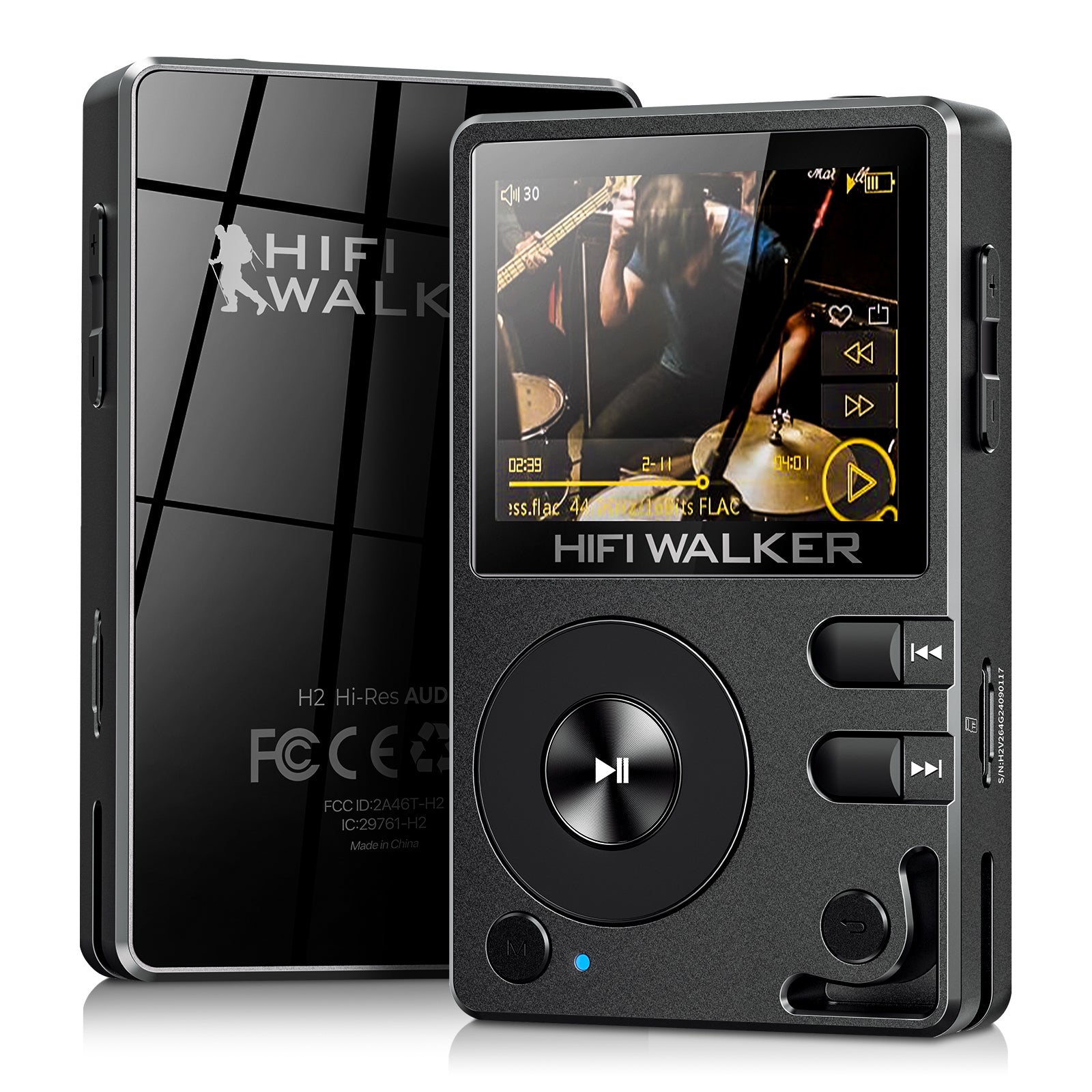
Digital Audio Player Advantages: Unlike smartphone streaming, dedicated DAPs like the HIFI WALKER H2 ($119.20) provide cleaner power, reduced electromagnetic interference, and specialized audio processing that reveals subtle details in your favorite tracks.
Genre-Specific Benefits: Electronic music fans particularly benefit from the H20 PRO's dual DAC configuration ($180.00), which handles complex electronic layering and bass frequencies with exceptional clarity. The DSD256 support ensures that high-resolution electronic tracks maintain their intended dynamic range.
Balanced Audio Output: For users whose genre test reveals preference for acoustic or orchestral music, balanced audio outputs provide lower noise floors and better stereo separation—critical for appreciating the spatial aspects of classical recordings.
Understanding your musical DNA through Spotify's genre test can guide your audio equipment choices, ensuring you invest in gear that maximizes your specific listening preferences.
Q1: What is the Spotify Genre Test and how accurate is it?
Spotify's Genre Test analyzes your listening history from the past 12 months to categorize you into specific musical generations (70s, 80s, 90s, 2000s, etc.). It uses machine learning algorithms that examine audio features, listening patterns, and cultural data. The test is highly accurate for users with diverse listening histories spanning 6+ months.
Q2: Can I retake the Spotify Genre Test to get different results?
The Genre Test updates automatically based on your evolving listening habits. While you can't manually retake it, your results will change over time as your music preferences shift. Major changes typically require 2-3 months of different listening patterns to reflect in new results.
Q3: Why does my Spotify Genre Test show 90s music when I'm younger?
Musical generations aren't tied to your birth year—they reflect your actual listening preferences. Many younger users gravitate toward 90s alternative rock, grunge, and early hip-hop, leading to 90s classifications. The test measures what you listen to, not when you were born.
Q4: How does the Genre Test handle electronic music classifications?
Electronic music receives sophisticated analysis across subgenres like house, techno, ambient, and dubstep. The algorithm examines BPM, production techniques, and harmonic elements to distinguish between electronic eras—from 80s synth-pop to 2000s progressive house to modern EDM fusion styles.