


Expert Insights
- The portable CD player market exists primarily for nostalgia, not audio quality—modern DAPs surpass even the best vintage units in every measurable parameter.
- Built-in speakers on portable devices will always be compromised by size constraints—the laws of physics haven't changed since the 1990s.
- Hi-Res audio formats like DSD and 24-bit/192kHz FLAC contain more musical information than CDs can physically store, making DAPs the only way to experience this content.
The Evolution: From Portable CD Players to Digital Audio Players
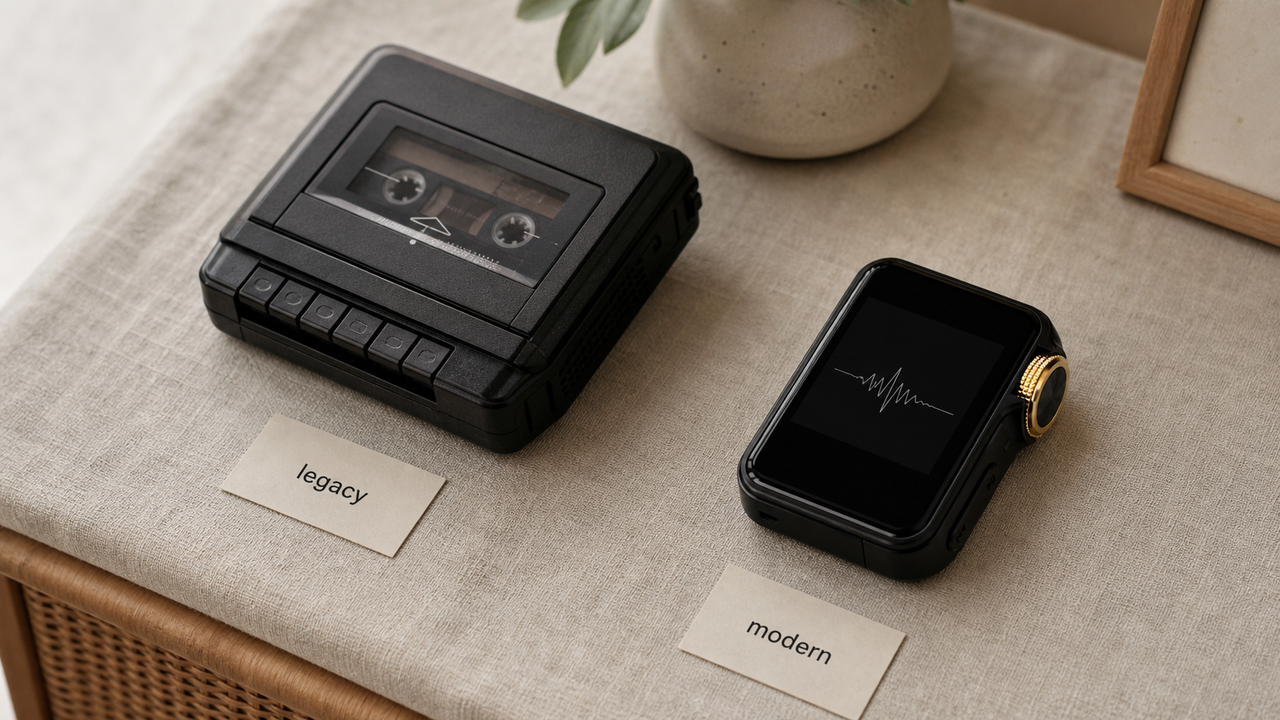
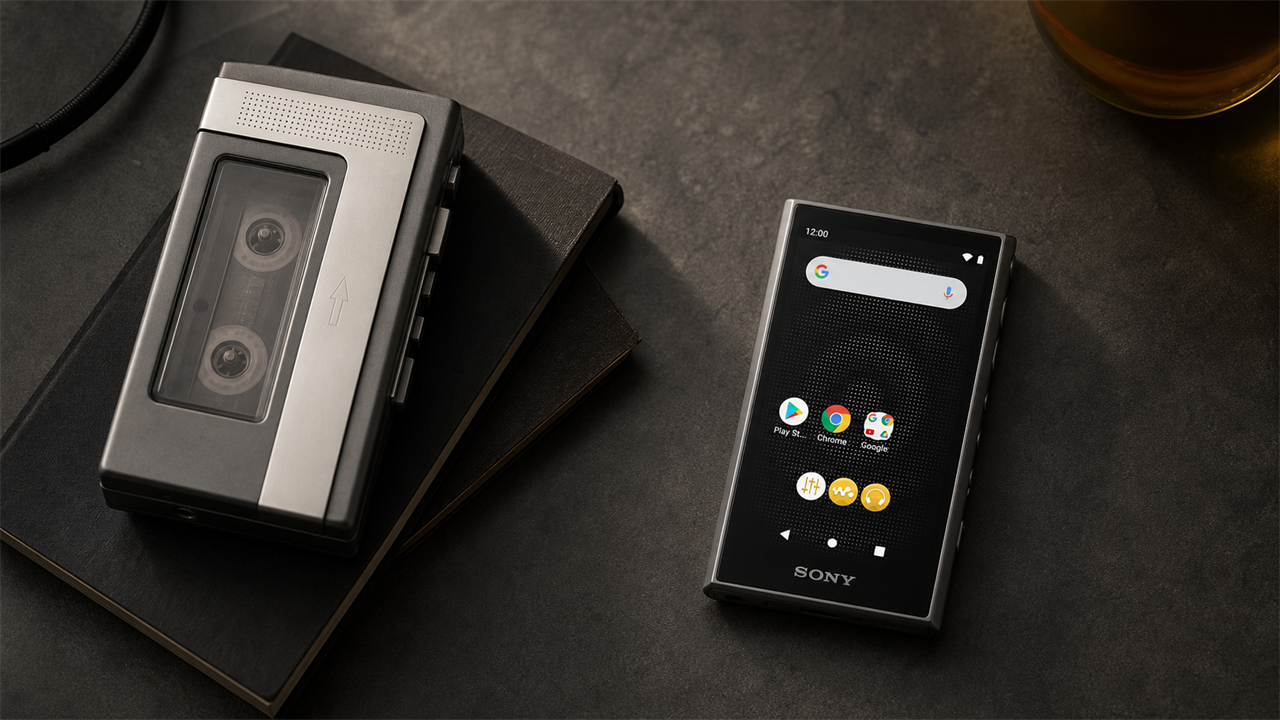
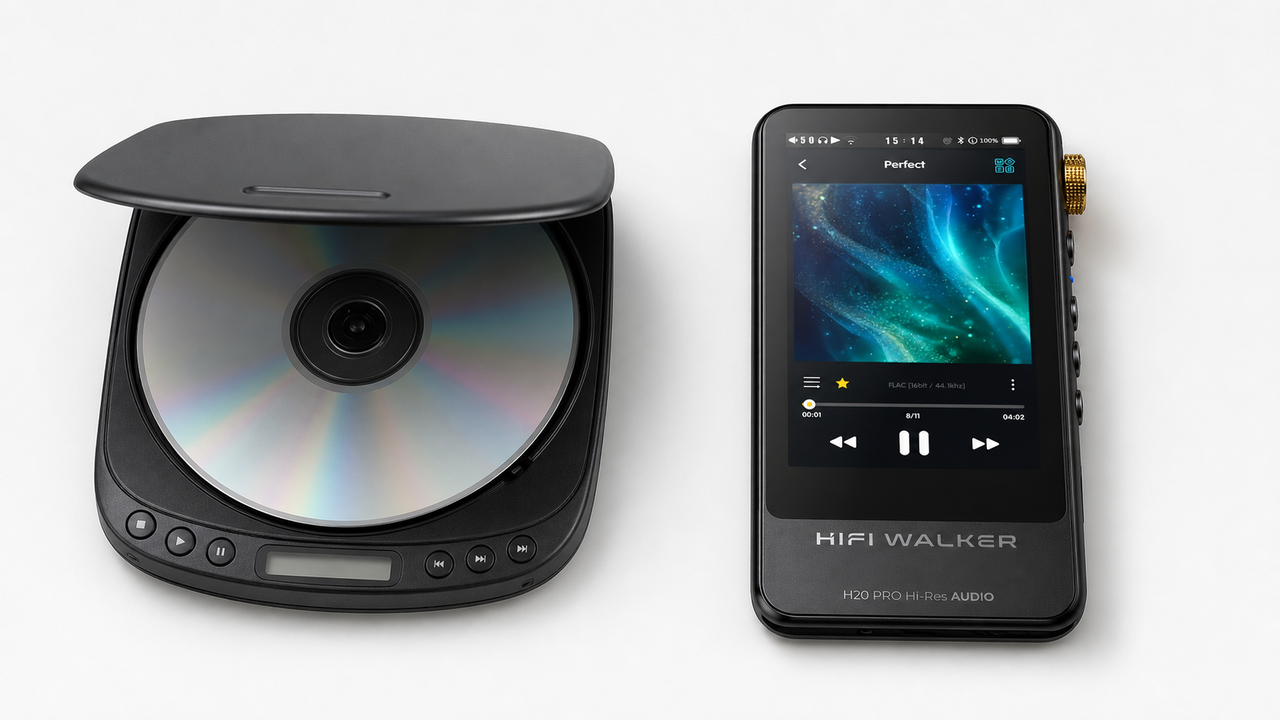
Remember the excitement of finding the perfect portable CD player with speakers back in the 90s? Those chunky devices with their foam headphones and anti-skip protection were revolutionary. Today's digital audio landscape tells a different story, where modern Hi-Res DAPs deliver studio-quality sound in devices smaller than most smartphones.
The CD Player Era
- Limited to 16-bit/44.1kHz CD quality
- Physical media dependency
- Mechanical parts prone to skipping
- Basic analog amplification
The Digital Revolution
- model-specific Hi-Res format support
- Thousands of songs in pocket-sized storage
- Solid-state reliability
- Dedicated Hi-Fi DAC chips

- ►1. The Evolution: From Portable CD Players to Digital Audio Players
- ►2. Why Portable CD Players Are Making a Comeback (And Why You Shouldn't Care)
- ►3. Digital Music Players: The Superior Choice for Modern Audiophiles
- ►4. The Speaker Question: Built-in vs Dedicated Audio Solutions
- ►5. Sound Quality Deep Dive: Why DACs Matter More Than Speakers
- ►6. Storage and Library Management: Digital Wins Every Time
- ►7. Battery Life and Portability: The Modern Advantage
- ►8. Making the Smart Choice: Recommendations by Use Case
Why Portable CD Players Are Making a Comeback (And Why You Shouldn't Care)
Vinyl isn't the only retro audio format experiencing a resurgence. Portable CD players with speakers are appearing in trendy electronics stores, marketed as "vintage charm meets modern convenience." But here's the audiophile truth: nostalgia shouldn't compromise your listening experience.
The Nostalgia Factor
Modern portable CD players appeal to millennials seeking childhood memories, but they're essentially the same 20-year-old technology with USB charging.
The Convenience Illusion
Built-in speakers sound impressive until you realize they're competing against smartphone speakers, not dedicated audio equipment.
The Quality Reality
Even the best portable CD player maxes out at 16-bit/44.1kHz, while modern DAPs handle Hi-Res audio that surpasses CD quality by orders of magnitude.
The real question isn't whether to buy a modern portable CD player, but whether to upgrade your entire digital music experience with a dedicated Hi-Res audio player.
Digital Music Players: The Superior Choice for Modern Audiophiles
While portable CD players remain trapped in 1990s technology, digital audio players have evolved into sophisticated audio instruments. The difference isn't just convenience—it's a fundamental leap in sound quality and musical experience.


The Speaker Question: Built-in vs Dedicated Audio Solutions
The appeal of a portable CD player with speakers seems obvious—instant playback without headphones. But this convenience comes with significant compromises that serious listeners should understand.
Built-in Speaker Limitations
- Tiny drivers compromise bass response
- Mono or pseudo-stereo imaging
- Plastic enclosures create resonance
- Volume limited by battery drain
DAP + Dedicated Speakers
- Full-range driver options
- True stereo separation
- Quality enclosure materials
- Powered operation for dynamics
Modern digital audio players solve the speaker dilemma elegantly through Bluetooth connectivity, allowing pairing with quality portable speakers while maintaining Hi-Res audio processing internally.
Sound Quality Deep Dive: Why DACs Matter More Than Speakers
The dirty secret about portable CD players with speakers is their reliance on basic digital-to-analog conversion. Most use simple op-amp circuits that were acceptable in the 1990s but pale compared to modern audiophile standards.
DAC Chip Evolution
Modern DAPs use dedicated Hi-Fi DAC chips like ESS Sabre or AKM Velvet Sound, delivering signal-to-noise ratios exceeding 130dB.
Amplification Architecture
While CD players use basic op-amps, quality DAPs feature discrete amplification circuits optimized for headphone impedance matching.
Digital Processing Power
Advanced oversampling, noise shaping, and digital filtering create cleaner analog output than any CD transport mechanism.

The result is measurable: where CD players typically achieve 90-100dB dynamic range, modern DAPs routinely exceed 120dB, revealing musical details that mechanical CD transports physically cannot reproduce.
↑ Back to Top
Back to Top ↑Storage and Library Management: Digital Wins Every Time
Beyond sound quality, the practical advantages of digital music players over portable CD systems become overwhelming when considering real-world usage patterns.
CD Player Limitations
- Carrying multiple discs required
- No playlist functionality across albums
- Wear and scratches degrade quality
- No backup or duplicate protection
Digital Player Advantages
- Entire collection in one device
- Smart playlists and shuffle modes
- Bit-perfect digital copies
- Cloud backup and sync options
Modern HIFI WALKER Hi-Res players support microSD expansion up to 512GB on the current Hi-Res line, with a 14,999 recognized-song limit; that is still far more portable than carrying physical CDs.

Battery Life and Portability: The Modern Advantage
One area where modern engineering helps is power efficiency. A separate digital audio player can preserve phone battery and avoid mechanical CD skipping; exact playback time varies by model and test condition.

The physics are simple: solid-state digital processing requires far less power than spinning mechanical assemblies and laser tracking systems. Modern DAPs achieve this efficiency while delivering superior audio quality.
Making the Smart Choice: Recommendations by Use Case
While the technical case for digital audio players is overwhelming, different users have different priorities. Here's how to choose the right solution based on your specific needs and budget.
The Budget-Conscious Beginner
Skip portable CD players entirely. A quality entry-level DAP like the HIFI WALKER H2 offers better sound quality at similar pricing while future-proofing your audio journey.
The Serious Audiophile
Invest in a premium DAP with balanced outputs and flagship DAC chips. Pair with quality headphones rather than relying on any built-in speaker system.
The Convenience Seeker
Choose Android-based DAPs that combine Hi-Res audio capability with streaming service access and Bluetooth connectivity to quality portable speakers.


Frequently Asked Questions
Q1: Do modern portable CD players with speakers sound better than smartphones?
Marginally, but both are limited by built-in speaker physics and basic DAC chips. A dedicated Hi-Res DAP with quality headphones or external speakers delivers dramatically superior sound quality.
Q2: Can digital music players really sound better than CDs?
Yes, through multiple factors: superior DAC chips, better amplification, Hi-Res formats that exceed CD quality, and elimination of mechanical transport noise and jitter.
Q3: What's the best portable CD player with speakers in 2024?
Honestly, there isn't one worth recommending. The technology peaked in the 1990s. Modern DAPs offer better sound quality, convenience, and reliability at similar or lower prices.
Q4: How much storage do I need in a digital audio player?
Storage needs depend on file size and model. For the current HIFI WALKER Hi-Res line, use microSD support up to 512GB and keep the recognized local library within 14,999 songs.
Q5: Do I need balanced outputs on my DAP?
Balanced outputs provide better performance with compatible headphones, offering improved dynamics and lower noise. It's not essential for beginners but becomes important as you upgrade your headphone collection.