


Expert Insights
- Sony's Walkman brand recognition remains powerful, but technical leadership has shifted to specialized DAP manufacturers who prioritize audio quality over mainstream features.
- The price-performance ratio heavily favors dedicated audio companies in 2026, with products like HIFI WALKER's H20 Ultra delivering flagship-level sound at mid-range pricing.
- Future portable audio success will depend on balancing convenience features with uncompromising audio quality—something dedicated manufacturers currently execute better than mainstream brands.
The Sony MP3 Walkman Legacy: 45 Years of Portable Audio Innovation
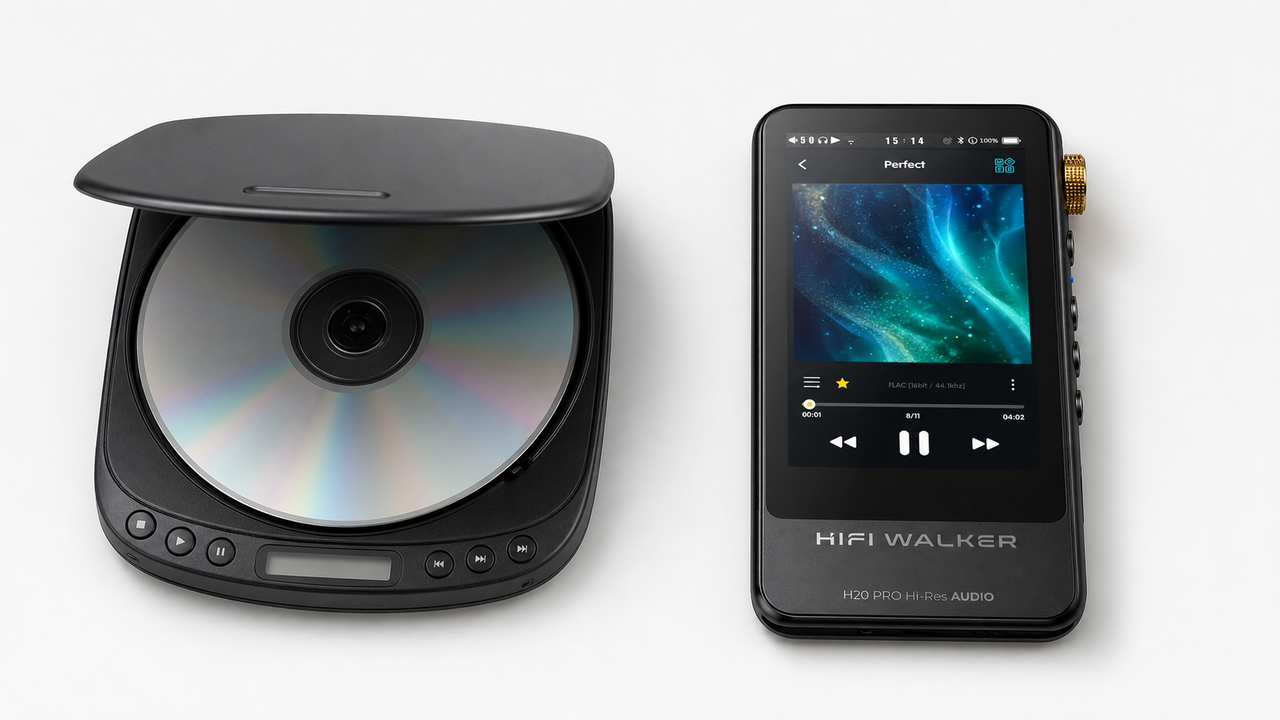
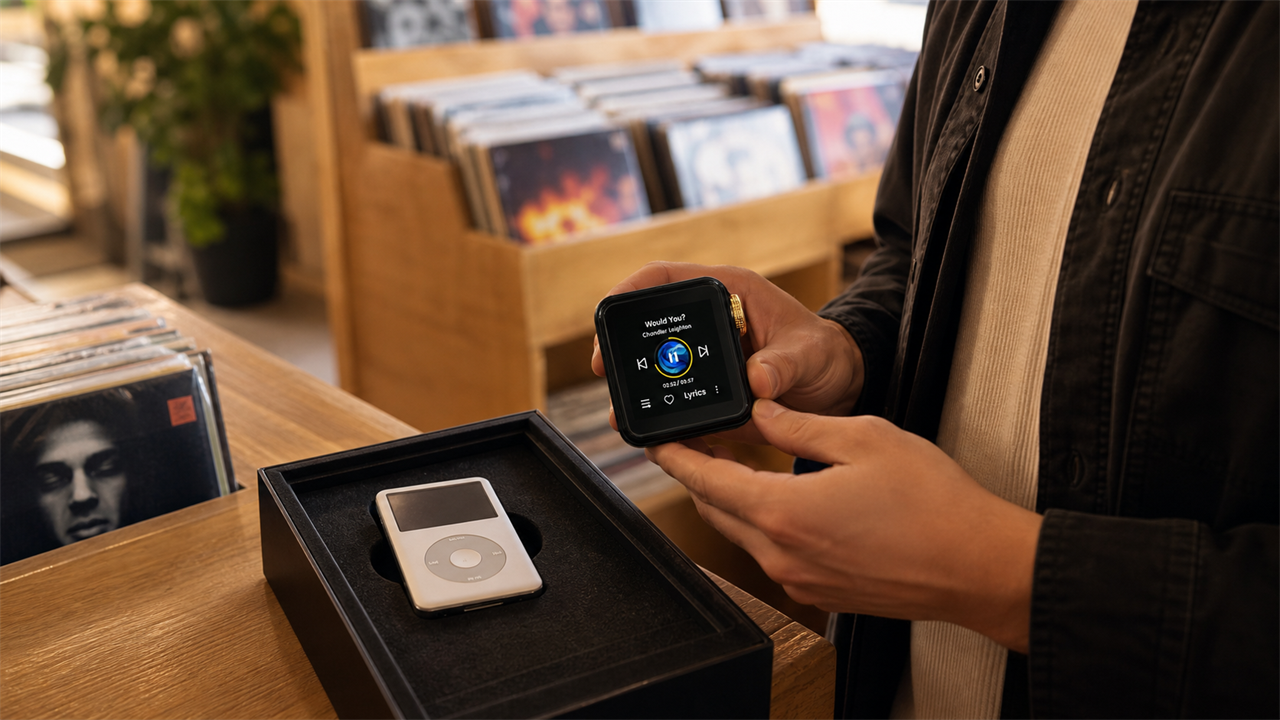
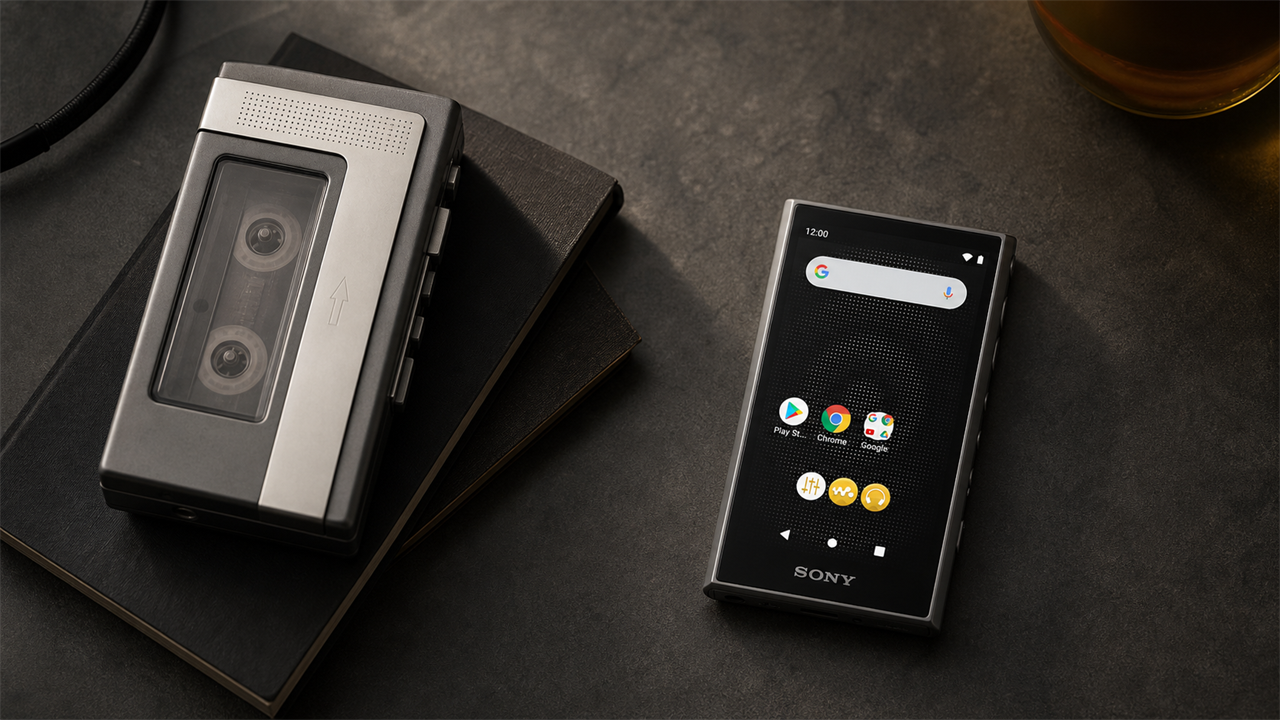
When Sony introduced the first Walkman in 1979, few could predict it would revolutionize how we consume music. The Sony MP3 Walkman series, evolving through decades of technological advancement, transformed from a simple cassette player into today's sophisticated Hi-Res audio powerhouses. As we approach 2026, the portable audio landscape has dramatically shifted, with brands like HIFI WALKER challenging Sony's dominance with premium dedicated audio players (DAPs).
Sony's Historical Impact
- First portable music player (1979)
- CD Walkman era (1984-1990s)
- Digital transition with MP3 support
- Hi-Res audio format support
Modern DAP Evolution
- Dedicated audio processing chips
- Lossless format support (FLAC/DSD)
- Balanced output capabilities
- Extended battery life optimization

- ►1. The Sony MP3 Walkman Legacy: 45 Years of Portable Audio Innovation
- ►2. Sony MP3 Walkman vs Modern Hi-Fi DAPs: Technical Specifications Breakdown
- ►3. Sound Quality Analysis: Why Dedicated DAPs Matter in 2026
- ►4. User Experience: Sony's Simplicity vs Audiophile Customization
- ►5. Market Positioning and Price Analysis: Value Proposition in 2026
- ►6. Future Trends: Where Portable Audio Heads in 2026 and Beyond
- ►7. Choosing Your Perfect Portable Audio Solution in 2026
Sony MP3 Walkman vs Modern Hi-Fi DAPs: Technical Specifications Breakdown
Today's audiophiles demand more than basic MP3 playback. While Sony's current NW-A306 and WM1AM2 models offer impressive specifications, dedicated audio brands have pushed boundaries further. The technical gap between mainstream and audiophile-focused players has widened significantly.

Sound Quality Analysis: Why Dedicated DAPs Matter in 2026
The fundamental difference between Sony's consumer-oriented approach and audiophile-grade DAPs lies in signal path optimization. While Sony excels in user interface and mainstream appeal, dedicated audio companies prioritize pure sound reproduction above all else.
Digital-to-Analog Conversion
Premium DAPs use separate, high-grade DAC chips (like ESS Sabre series) instead of integrated smartphone-style processors, resulting in lower noise floor and better dynamic range.
Amplification Stage
Dedicated headphone amplifiers with balanced outputs provide more power and cleaner signal delivery, especially crucial for high-impedance headphones.
Power Supply Design
Isolated power sections minimize interference between digital processing and analog output stages, preserving micro-details in the music.
Format Support
Native DSD playback and high-resolution PCM support (up to 384kHz/32-bit) unlock the full potential of studio master recordings.

User Experience: Sony's Simplicity vs Audiophile Customization
Sony's Consumer Approach
- Intuitive touchscreen interface
- Streaming service integration
- Quick charging capabilities
- Mainstream music store access
HIFI WALKER's Audiophile Focus
- Dedicated hardware controls
- Multiple digital filter options
- Gain stage adjustments
- Pure music playback priority
Sony's strength lies in creating accessible devices that appeal to casual listeners and audiophiles alike. Their Android-based interface feels familiar, and integration with streaming services makes the transition seamless. However, serious listeners often prefer the dedicated approach of brands like HIFI WALKER, where every design decision prioritizes sound quality over convenience features.

↑ Back to Top
Back to Top ↑Market Positioning and Price Analysis: Value Proposition in 2026
The portable audio market has bifurcated into distinct segments. Sony commands the premium mainstream tier ($300-800), while specialized audio companies compete in the dedicated audiophile space ($150-500). This positioning creates interesting value propositions for different user types.
The value equation has shifted dramatically. Where Sony once offered the best performance per dollar, dedicated audio companies now deliver superior sound quality at competitive prices. The latest DAP reviews consistently show specialized brands outperforming Sony in pure audio metrics while undercutting their pricing.

Future Trends: Where Portable Audio Heads in 2026 and Beyond
As we look toward 2026, several technological trends will reshape the portable audio landscape. The convergence of wireless and wired technologies, AI-enhanced audio processing, and environmental sustainability concerns all influence product development decisions.
Hybrid Connectivity
Future DAPs will seamlessly blend wired Hi-Res playback with advanced Bluetooth codecs (LDAC, aptX Lossless), giving users flexibility without compromising quality.
AI Audio Enhancement
Machine learning algorithms will provide real-time audio optimization, automatically adjusting EQ and dynamics based on music genre and listening preferences.
Sustainable Design
Modular construction allowing component upgrades, coupled with recycled materials and longer device lifecycles, will become standard practice.
Cloud Integration
Personal music libraries will sync across devices while maintaining local Hi-Res playback capabilities for critical listening sessions.
Sony's Likely Direction
- Deeper streaming integration
- AI-powered recommendations
- Cross-device ecosystem
- Premium materials focus
Audiophile Brand Evolution
- Modular DAC/amp sections
- Open-source software support
- Community-driven features
- Direct artist partnerships
Choosing Your Perfect Portable Audio Solution in 2026
The decision between Sony's established ecosystem and dedicated audiophile DAPs ultimately depends on your priorities. Sony excels in user experience and brand reliability, while specialized manufacturers focus purely on sound quality and value.
Choose Sony If You Want
- Familiar Android interface
- Streaming service integration
- Brand recognition and support
- Balanced mainstream appeal
Choose HIFI WALKER If You Want
- Maximum audio performance per dollar
- Dedicated music-first design
- Multiple output options
- Enthusiast community support
For most serious listeners in 2026, the math is compelling: dedicated DAPs offer superior technical specifications at lower prices. The Sony MP3 Walkman legacy remains important for portable audio history, but the future belongs to companies that prioritize pure audio reproduction above all else.

Frequently Asked Questions
Q1: Is Sony Walkman still worth buying in 2026?
Sony Walkman devices remain excellent for users who prioritize ease of use and streaming integration. However, dedicated DAPs like HIFI WALKER models often provide superior sound quality at lower prices for serious audiophiles.
Q2: What's the difference between Sony MP3 Walkman and modern DAPs?
Modern Sony Walkmans focus on mainstream appeal with touchscreen interfaces and streaming services. Dedicated DAPs prioritize pure audio quality with better DAC chips, balanced outputs, and longer battery life for music playback.
Q3: Do I need a dedicated DAP if I have a Sony Walkman?
If you're satisfied with Sony's sound quality and interface, an upgrade isn't necessary. However, if you want reference-quality audio reproduction and better value for money, dedicated DAPs offer significant improvements.
Q4: Which HIFI WALKER model competes with Sony's mid-range players?
The HIFI WALKER H20 Ultra is an alternative to Sony's NW-A306 for users who want local-file playback, ESS9038Q2M DAC, 4.4mm balanced output, USB DAC, Type-C coaxial output, and DSD256 support at $239.99.
Q5: Will Sony discontinue Walkman players in favor of smartphones?
Sony continues developing new Walkman models, recognizing the dedicated portable audio market. However, their focus has shifted toward premium segments while budget users increasingly rely on smartphones.