

Expert Insights
- MiniDisc's magneto-optical technology was ahead of its time, combining the benefits of magnetic and optical storage before flash memory became viable
- The format's emphasis on user-editable metadata and gapless playback directly influenced modern music player interface design
- Professional adoption in radio and live sound reinforced MiniDisc's reliability credentials, though it couldn't overcome consumer market challenges
The Mini Disc Player Revolution of the 1990s
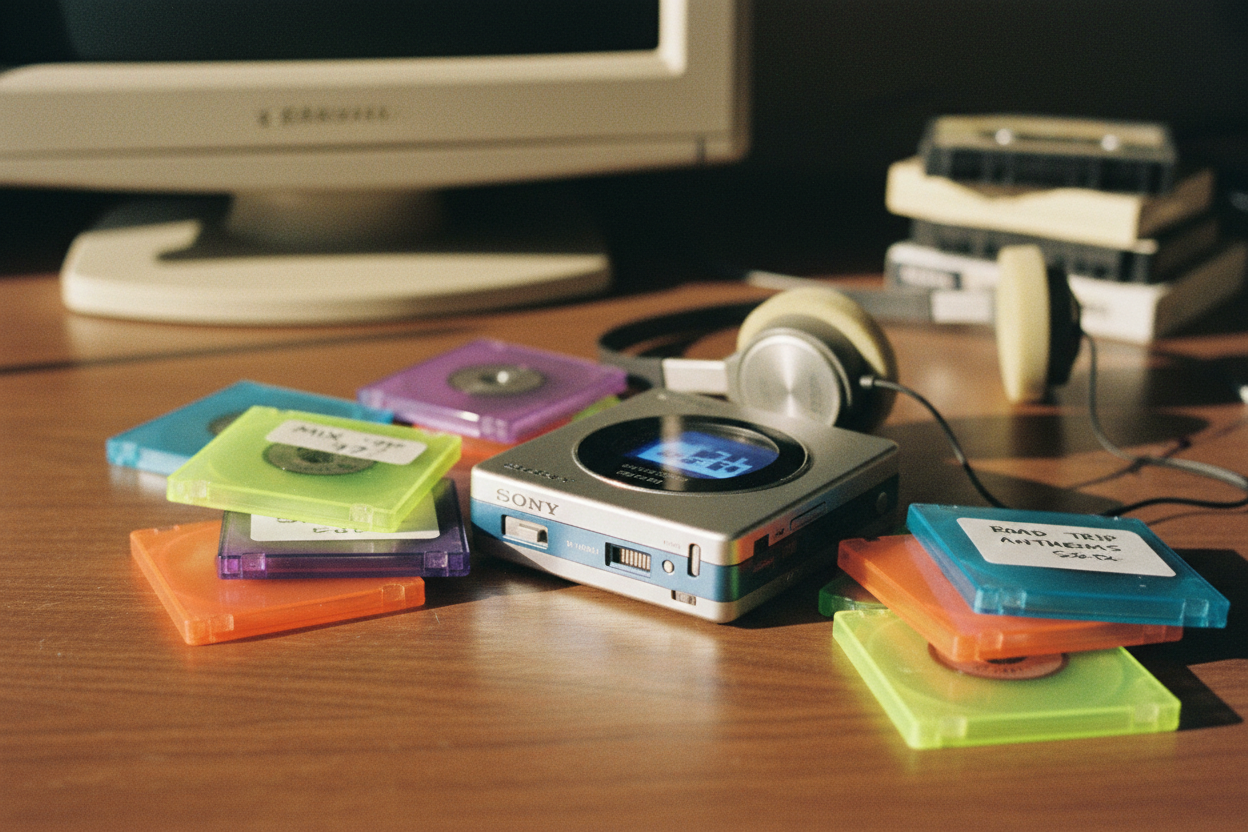
The mini disc player emerged in 1992 as Sony's ambitious answer to the limitations of cassette tapes and CDs. This revolutionary format promised near-CD quality audio in a compact, rewritable package that could fit in your pocket. While the mini disc player never achieved the global dominance Sony hoped for, it carved out a passionate following among audiophiles and professionals who valued its unique combination of quality and convenience.
What Made MiniDisc Special
- 74-minute recording capacity
- Digital optical recording
- Track naming and editing
- Shock-resistant playback
- Instant track access
Why It Struggled Commercially
- Late market entry vs CD
- Proprietary ATRAC compression
- Higher cost than cassettes
- Limited pre-recorded selection
- Regional adoption differences

- ►1. The Mini Disc Player Revolution of the 1990s
- ►2. How Mini Disc Technology Actually Worked
- ►3. The Peak Years: Mini Disc Players in Their Prime
- ►4. Why Mini Disc Players Ultimately Failed
- ►5. The Modern Legacy: How Today's Hi-Res Players Evolved
- ►6. What Mini Disc Got Right (And Modern DAPs Still Use)
- ►7. Collecting and Using Mini Disc Players Today
How Mini Disc Technology Actually Worked
The mini disc player utilized Sony's proprietary ATRAC (Adaptive Transform Acoustic Coding) compression algorithm to squeeze 74 minutes of audio onto a 64mm magneto-optical disc. Unlike purely digital formats, MiniDisc used a hybrid approach combining magnetic and optical recording technologies.
Magneto-Optical Recording
A laser heated specific areas of the disc while a magnetic field aligned particles to store data
ATRAC Compression
Audio was compressed to roughly 1/5 the size of CD data while maintaining near-CD quality
Table of Contents (TOC)
A special area stored track information, titles, and playback data for instant access
Error Correction
Advanced error correction algorithms ensured reliable playback even with minor disc damage
The result was a format that offered the convenience of cassette tapes with much better sound quality and the editing capabilities of digital media. You could record, erase, and re-record countless times without quality degradation.
The Peak Years: Mini Disc Players in Their Prime
Between 1995 and 2005, mini disc players reached their technological and cultural zenith. Sony released dozens of models ranging from basic portables to high-end home decks with advanced features like digital pitch control and multi-disc changers.

Professional musicians and radio DJs particularly embraced mini disc players for their reliability and editing capabilities. The format found strong adoption in Japan, where it remained popular well into the 2000s, and in certain European markets where portability mattered more than extensive music libraries.
Why Mini Disc Players Ultimately Failed
Despite its technical merits, the mini disc player faced insurmountable market challenges. The format arrived too late to disrupt the established cassette and CD markets, and too early to compete with the digital music revolution of the 2000s.
Market Timing Issues
- CD players already dominant by 1992
- MP3 and digital music emerging
- Limited pre-recorded disc selection
- High initial hardware costs
- Confusing model lineup
Technical Limitations
- Proprietary ATRAC compression
- Copy protection restrictions
- No direct PC compatibility initially
- Regional format variations
- Shorter battery life than CD players
The rise of iPod and MP3 players in the early 2000s delivered the final blow. While mini disc players offered better sound quality, consumers prioritized massive storage capacity and iTunes ecosystem integration over audio fidelity.
↑ Back to Top
Back to Top ↑The Modern Legacy: How Today's Hi-Res Players Evolved
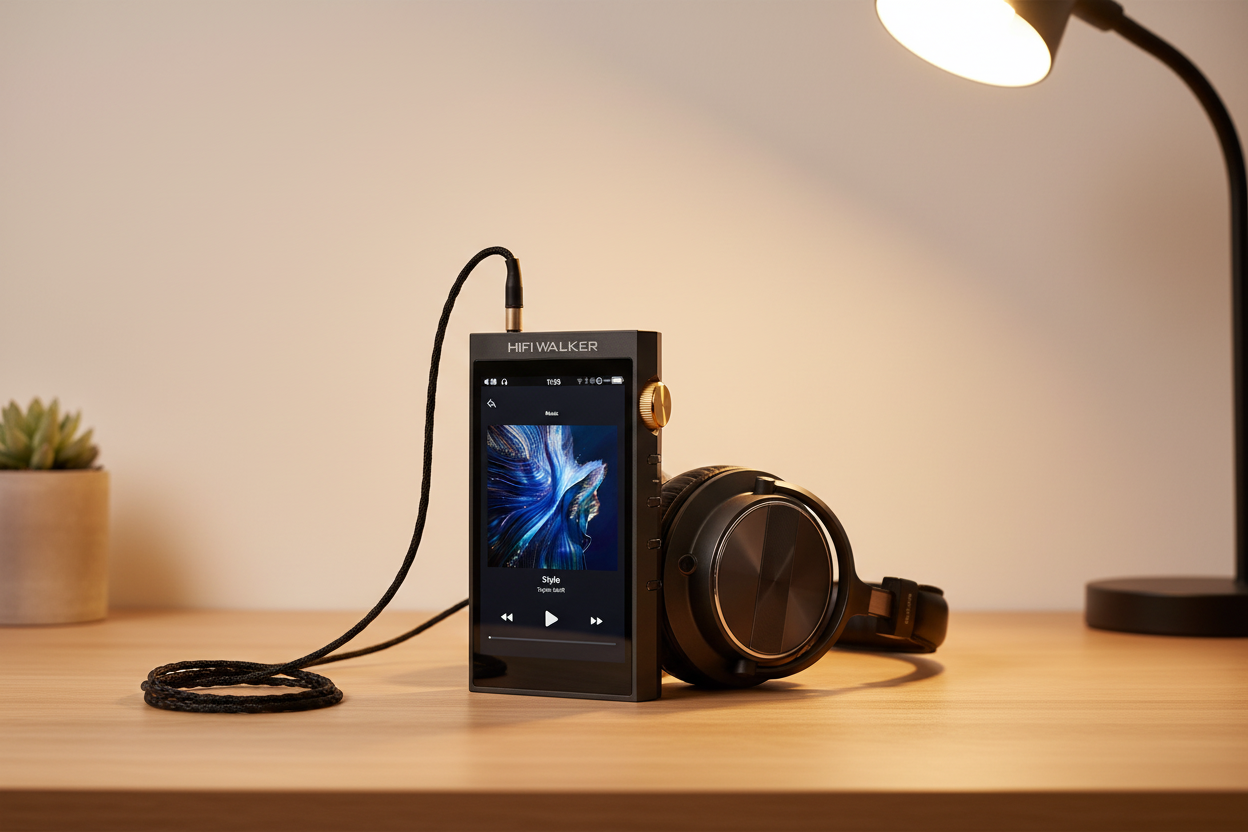
The mini disc player's emphasis on portable high-quality audio and user-friendly interfaces directly influenced today's dedicated Hi-Res audio players. Modern DAPs (Digital Audio Players) address every limitation that held back MiniDisc while preserving its core philosophy.

Lossless Audio Support
Modern DAPs support FLAC, DSD, and MQA formats without compression artifacts
Massive Storage
MicroSD expansion allows 1TB+ libraries vs MiniDisc's 74-minute limit
Universal Compatibility
Standard file formats work across all devices and platforms
Advanced DACs
Dedicated audio chips like ES9038Q2M deliver reference-quality sound

What Mini Disc Got Right (And Modern DAPs Still Use)
Several mini disc player innovations remain standard features in today's premium audio devices. The format pioneered many user experience elements that we now take for granted in modern portable audio players.
MiniDisc Innovations Still Used Today
- Gapless playback between tracks
- Custom track naming and organization
- Multiple sound processing modes
- Optical digital input/output
- Long battery life optimization
Modern DAP Improvements
- Native high-resolution file support
- Balanced headphone outputs
- Streaming service integration
- Customizable EQ and filters
- Touch screen interfaces

H2 Mini Hi-Res Audio Player
Best overall value combining premium audio quality with ultra-portable design. The H2 Mini's balanced output and extensive format support make it ideal for serious listeners.
The most enduring legacy of mini disc players is their proof that dedicated audio devices could offer superior experiences to multi-purpose electronics. This principle drives today's audiophile DAP market, where focused engineering for music playback creates better results than smartphone audio.
Collecting and Using Mini Disc Players Today
Despite discontinuation in 2013, mini disc players maintain an active collector community. Vintage enthusiasts prize certain models for their build quality, unique features, and nostalgic appeal. However, practical daily use faces significant challenges in 2024.

While collecting mini disc players offers historical interest, most audio enthusiasts find better value in modern Hi-Res players that deliver superior sound quality with contemporary convenience. The spirit of MiniDisc lives on in today's dedicated audio devices.
Frequently Asked Questions
Q1: Can you still buy mini disc players new in 2024?
No, Sony discontinued MiniDisc production in 2013. You can only find vintage units through used markets like eBay. Modern Hi-Res DAPs offer better sound quality and convenience.
Q2: What made mini disc players special compared to CD players?
MiniDisc offered rewritable media, compact size, shock-resistant playback, and track editing capabilities that CDs couldn't match. They bridged the gap between analog cassettes and digital media.
Q3: Why didn't mini disc players succeed globally?
Late market entry, proprietary compression format, high costs, limited pre-recorded music selection, and the rise of MP3 players prevented widespread adoption outside Japan.
Q4: Are there modern alternatives to mini disc players?
Yes, modern Hi-Res DAPs like the HIFI WALKER H20 Ultra offer superior audio quality, massive storage, and better battery life while maintaining the portable audiophile focus of MiniDisc.
Q5: What was ATRAC compression and how did it work?
ATRAC (Adaptive Transform Acoustic Coding) was Sony's proprietary audio compression that reduced file size by about 80% while preserving most audio quality, similar to modern lossy formats but optimized for MiniDisc hardware.