

Expert Insights
- The convergence of streaming and local playback is creating hybrid devices that combine both technologies
- Network reliability remains the biggest limitation for music streamers in mobile or travel scenarios
- DAPs offer superior format support and future-proofing for audiophiles with diverse music collections
Music Streamer vs DAP: Understanding the Core Difference
The music streamer landscape has evolved dramatically, creating confusion between streaming devices and dedicated audio players (DAPs). While both serve audiophiles seeking superior sound quality, they represent fundamentally different approaches to high-fidelity audio reproduction.
Music Streamer Approach
- Network-dependent streaming
- Requires stable internet connection
- Access to vast online libraries
- Real-time streaming protocols
DAP Approach
- Local file storage
- Offline playback capability
- Personal music library focus
- Dedicated audio processing

The choice between these technologies depends on your listening habits, network reliability, and preference for music streamer convenience versus DAP independence. Each offers distinct advantages for different audiophile needs.
- ►1. Music Streamer vs DAP: Understanding the Core Difference
- ►2. Music Streamer Technology: Network-Based Audio Excellence
- ►3. DAP Advantages: Dedicated Audio Processing Power
- ►4. Sound Quality Comparison: Technical Performance Analysis
- ►5. Convenience Factor: Daily Usage Reality
- ►6. Cost Analysis: Total Ownership Comparison
- ►7. Format Support and Future-Proofing
- ►8. Making Your Choice: Decision Framework
Music Streamer Technology: Network-Based Audio Excellence
Modern music streamer devices excel at delivering high-resolution audio directly from streaming services like Tidal, Qobuz, and Spotify Connect. These network players integrate seamlessly with home audio systems.
Network Connection
Connect via Wi-Fi or Ethernet for stable streaming
Service Integration
Link streaming accounts through manufacturer apps
Quality Selection
Choose bit rates from 320kbps to 24-bit/192kHz
The primary strength of music streamer technology lies in its vast content access and convenience, though network dependency remains a consideration for some users.
DAP Advantages: Dedicated Audio Processing Power
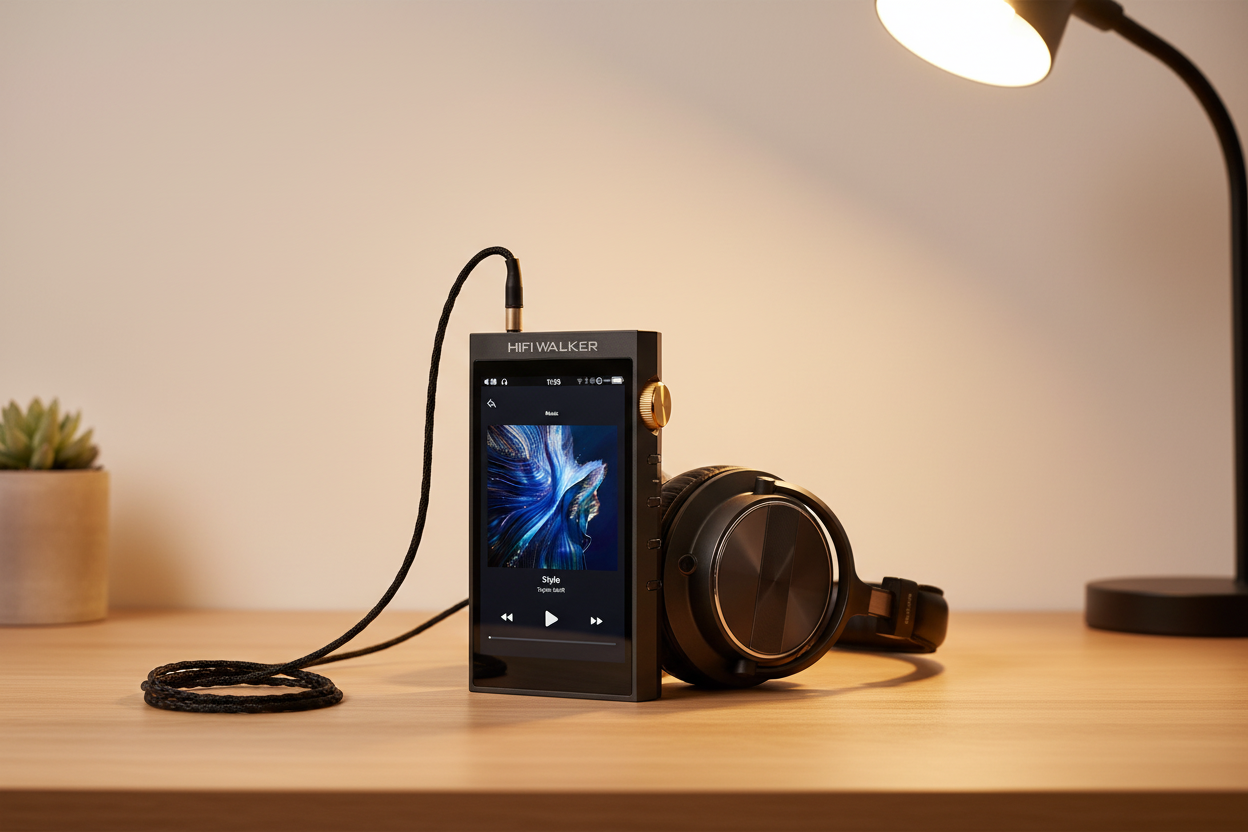
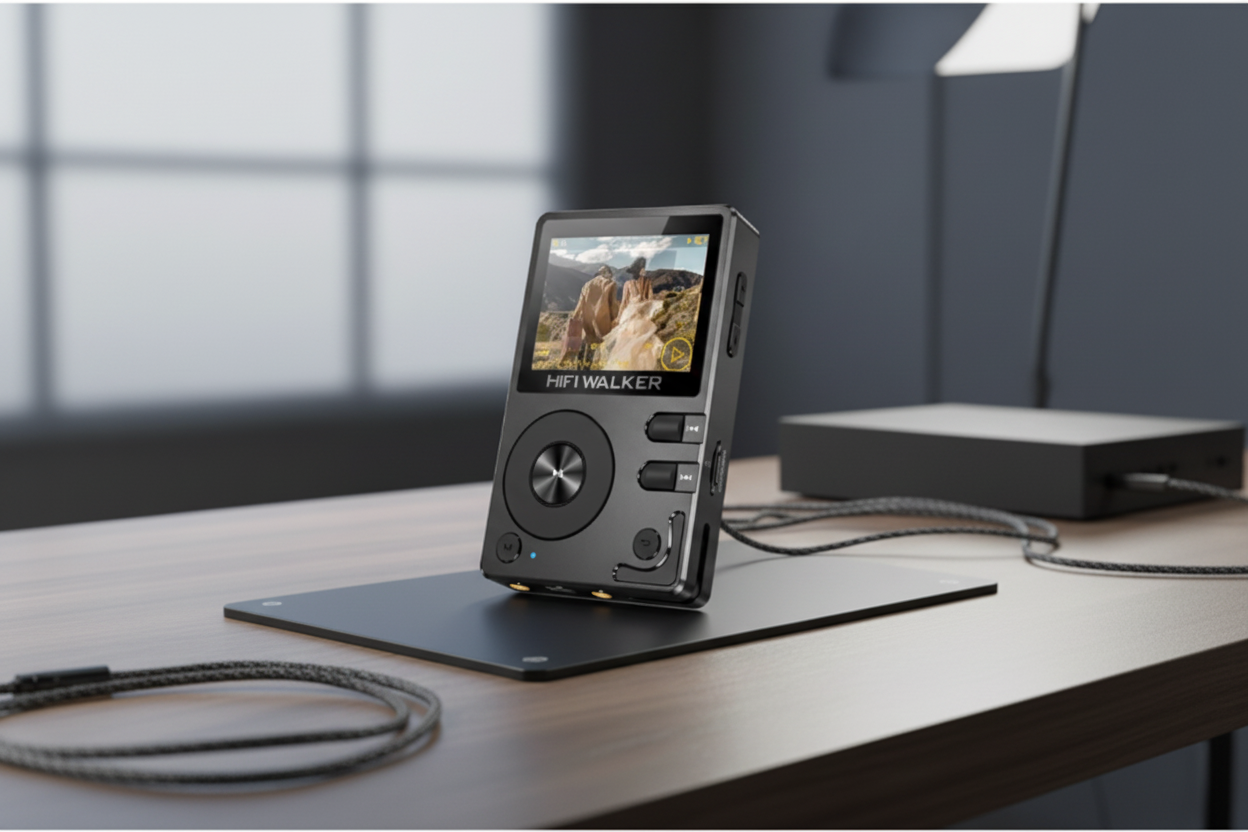
Digital Audio Players like the HIFI WALKER collection offer dedicated audio processing without network interference or smartphone distractions.

DAP Strengths
- No network dropouts
- Dedicated audio processing
- Extended battery life
- Audiophile-focused features
Streamer Dependencies
- Internet connection required
- Service subscription costs
- Potential buffering issues
- Limited offline capability

The independence factor makes DAPs particularly appealing for travel, outdoor activities, or any situation where network reliability cannot be guaranteed.
Sound Quality Comparison: Technical Performance Analysis
Sound quality differences between music streamer devices and DAPs often depend more on implementation than technology type. Both can achieve exceptional audio fidelity when properly designed.

Premium DAPs like the H20 Ultra implement dual ES9038Q2M DAC chips specifically chosen for audiophile applications, while music streamer quality varies significantly based on price point and manufacturer priorities.
Convenience Factor: Daily Usage Reality
The convenience debate between music streamer systems and DAPs centers on different user priorities: instant access versus independence.
Streamer Convenience
- Voice control integration
- Multi-room synchronization
- Automatic playlist updates
- Social sharing features
DAP Convenience
- No subscription required
- Works anywhere
- No ads or interruptions
- Complete privacy control
Library Management
DAPs require manual file organization, while streamers offer algorithmic discovery
Device Integration
Streamers excel in smart home setups, DAPs focus on personal listening
Maintenance
Streamers need app updates and account management, DAPs require firmware updates only
Your lifestyle and listening patterns should guide this choice. Frequent travelers and privacy-conscious users often prefer DAPs, while home-focused listeners may favor music streamer integration.
↑ Back to Top
Back to Top ↑Cost Analysis: Total Ownership Comparison
The true cost of music streamer versus DAP ownership extends beyond initial purchase prices to include ongoing subscriptions and usage patterns.

Long-term DAP ownership often proves more economical, especially for users who prefer owning their music library rather than subscribing to music streamer services indefinitely.
Format Support and Future-Proofing
Format compatibility represents a crucial differentiator between music streamer devices and dedicated audio players, particularly for audiophiles with diverse music collections.
Streaming Service Limits
- Compressed streaming codecs
- Service-specific formats
- Limited hi-res availability
- Algorithm-driven quality
DAP Format Freedom
- DSD256 native playback
- MQA unfolding capability
- FLAC/ALAC lossless
- Complete format library

This format flexibility ensures DAPs remain relevant as audio technology evolves, while music streamer capabilities depend on service provider decisions and licensing agreements.
Making Your Choice: Decision Framework
Choosing between a music streamer and DAP requires honest assessment of your listening habits, technical requirements, and long-term audio goals.
Assess Usage Patterns
Determine if you listen more at home or on-the-go
Evaluate Network Reliability
Consider your internet stability and data preferences
Calculate Long-term Costs
Factor in subscription fees versus music purchases
Consider Audio Quality Priorities
Decide if format flexibility matters for your collection
Choose Music Streamer If:
- Home-based listening primary
- Enjoy music discovery
- Want smart home integration
- Prefer subscription convenience
Choose DAP If:
- Frequent travel or commuting
- Value audio independence
- Own music library
- Prioritize privacy and control
For many audiophiles, the ideal solution involves both technologies: a music streamer for home discovery and a quality DAP for portable listening. Visit our DAP comparison guides for detailed model recommendations.

Frequently Asked Questions
Q1: Can I use a DAP as a music streamer?
Some advanced DAPs offer Wi-Fi connectivity and streaming app support, essentially functioning as both devices. However, dedicated music streamers typically provide better network integration and smart home compatibility.
Q2: Which offers better sound quality: music streamer or DAP?
Both can achieve excellent sound quality. Premium DAPs often feature dedicated DAC chips optimized for headphone listening, while high-end music streamers excel in system integration. Quality depends more on implementation than device type.
Q3: Are music streaming services available offline?
Most streaming services offer limited offline downloads, but with restrictions on file formats and device transfers. DAPs provide complete offline control over your music library without subscription dependencies.
Q4: What's the battery life difference between streamers and DAPs?
Network music streamers typically require constant power connection, while DAPs offer 10-20+ hours of portable playback. DAPs are designed for battery efficiency, making them superior for mobile use.
Q5: Can I build a music library without streaming services?
Yes, you can purchase high-resolution music files from services like HDtracks, Qobuz Store, or rip CDs to FLAC format. This approach works perfectly with DAPs and provides permanent ownership of your music collection.